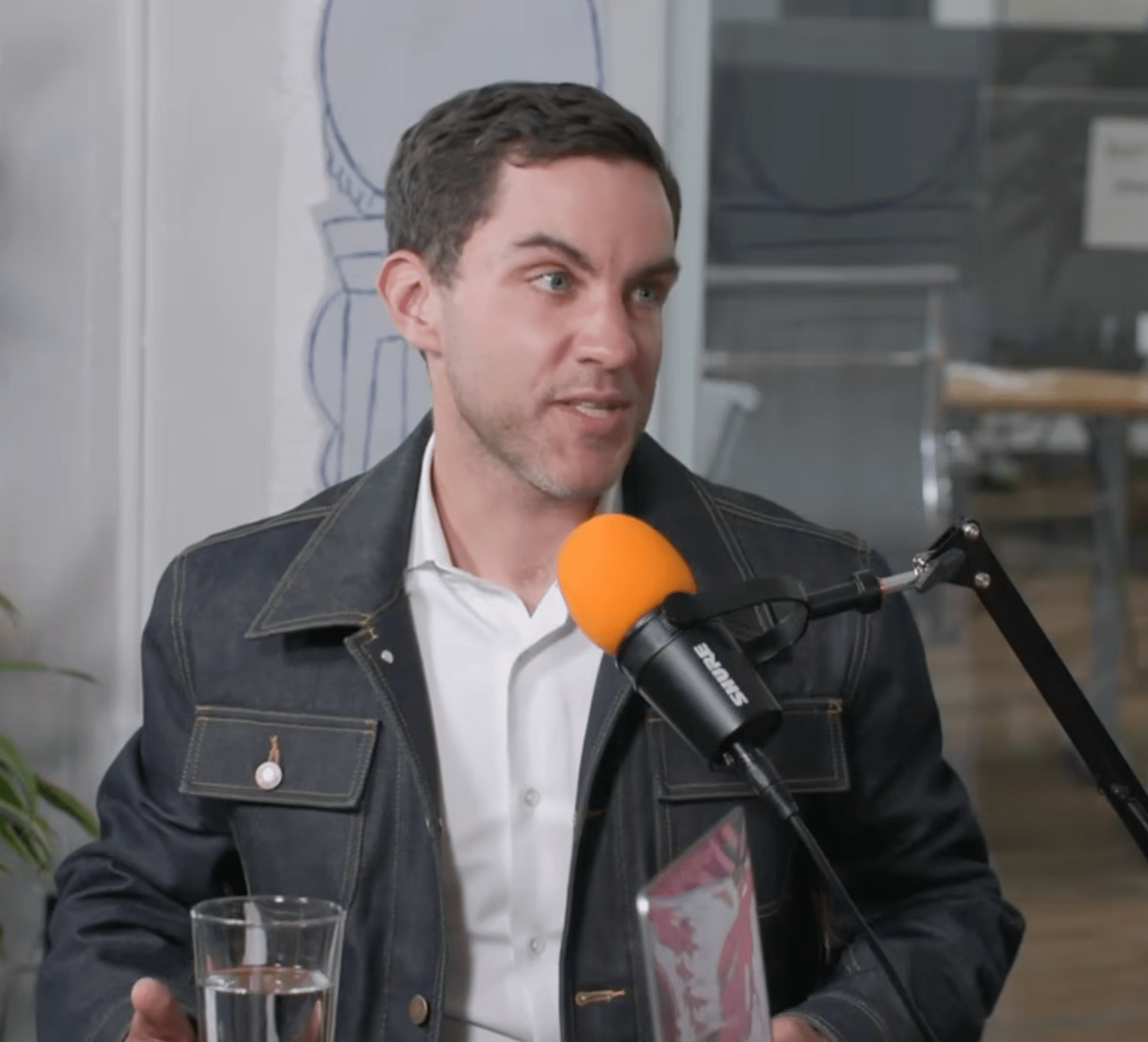

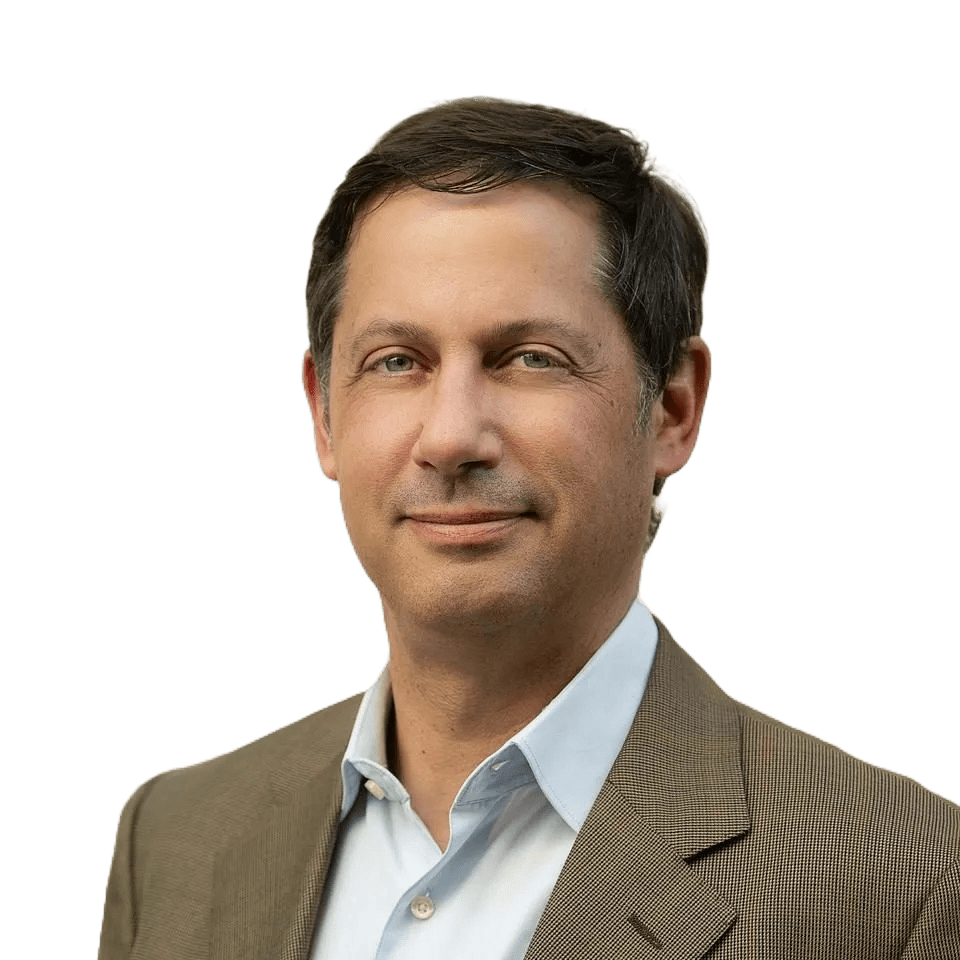
The star witness of Elon Musk’s fraud trial in San Francisco federal court was Martin Korman, a plainspoken Silicon Valley lawyer, who testified that Musk was so desperate to get out of his 2022 deal to buy Twitter that he threatened the company’s executives and their families.
For two weeks, jurors have been immersed in a mergers and acquisitions crash course, with the case study being one of Silicon Valley’s highest profile deals and one of the world’s most controversial figures at its center. Lawyers representing shareholders suing Musk argue that he defrauded them by trying to depress the company’s share price to wriggle out of the acquisition, or renegotiate it.
In closing arguments Tuesday, the shareholders’ lawyers displayed Korman’s image repeatedly for the jurors and reminded them of his testimony. Deliberations continue Wednesday.
In more than 25 years as an M&A lawyer at Wilson Sonsini in Palo Alto, Korman has negotiated many of the Valley’s biggest mergers, including Pixar and Disney, Hewlett-Packard and Compaq, Sun Microsystems and Oracle, and Linkedin and Microsoft. Korman represented Twitter in Musk’s acquisition.
Civil fraud trials like the one Musk has faced for the last two weeks are mostly highly choreographed and rehearsed theater. Jurors usually hear testimony that is essentially scripted by lawyers. Korman’s testimony was, by contrast, unpracticed and natural. He was, by far, the trial’s most compelling witness.
Evidence at trial revealed Musk to be a capricious suitor. In April 2022, he wanted to acquire Twitter so badly that he insisted on a contract drawn up in a single day, an unprecedented demand for such a transaction, Korman testified. It came with a high price: Musk’s haste required him to give up many rights to investigate the company he was buying.
The saga of Musk’s Twitter acquisition is fully described in the book Character Limit by New York Times reporters Kate Conger and Ryan Mac. Instead of resisting Musk’s overtures, as had been standard practice among corporate boards, Korman and a colleague, Alan Klein, employed a strategy of giving Musk exactly what he wanted – without a way out.
With that tactic in mind, Korman wrote the merger agreement with Mike Ringler, an M&A lawyer representing Musk. Importantly, Korman and Ringler, who now works at Sullivan & Cromwell in Palo Alto, were former longtime colleagues at Wilson Sonsini.
As reported at the time, Musk soon suffered a case of buyer’s remorse. The investors who sued him argue that with no legal recourse to get out of the deal, Musk undertook a campaign to exaggerate the prevalence of fake accounts, spam, or bots on the platform in order to erode the company’s share price.
In a key May 13, 2022 tweet, Musk said the deal was “on hold” until he could ascertain that fake accounts and spam at Twitter represented five percent or less of its users, as the company had disclosed. In another tweet four days later, Musk claimed as many as 20 percent of Twitter’s users could be fake or spam.
Musk’s defense is that his concern about Twitter’s fake accounts was genuine, and that the company lied to him, its shareholders, and the public about the depth of the problem.
Korman told jurors about a May 14, 2022 phone call in which Ringler told him about his conversations with the Securities and Exchange Commission to discuss whether Musk had to file regulatory disclosures to explain his tweets. (He did).
“This bots thing isn’t going away,” Korman recalled Ringler telling him. “You know, if you ask me, this maybe is going to lead to a price renegotiation,” Ringler said, according to Korman.
Caroline Yuen, a lawyer representing the investors, asked Korman a follow-up question. “So one day after Mr. Musk posted his ‘deal on hold’ tweet, his lead lawyer, Mr. Ringler, told you there may be a price renegotiation?”
“Yes,” Korman said.
The testimony was firsthand evidence that Musk was seeking to renegotiate the deal as he was posting those tweets. Korman also testified about a July 8, 2022 letter Twitter received from Musk seeking to terminate the acquisition. Four days later, Twitter filed a lawsuit in Delaware, forcing Musk to make good on his original $44 billion offer.
Korman testified that in the middle of September 2022, he talked to Alex Spiro, another lawyer representing Musk, who suggested a renegotiation of the Twitter acquisition in order to settle the Delaware lawsuit. Yuen asked Korman if Spiro said anything about what would happen if Musk was forced to go forward with the original deal.
“Was there any language that might have been viewed as threatening?” Yuen asked.
“He said something to the effect of, you know, if Musk ends up owning this thing, he’ll have access to all of the company’s records, and he could look at everyone’s emails and dig into whatever he wanted to dig into,” Korman said.
Spiro added, according to Korman’s testimony: “that might not be comfortable for the Twitter people and their heirs.”
The unmistakable conclusion from Korman’s testimony was that this was a threat.
It was a message reinforced by another call from Ringler at the end of September 2022, after attempts to negotiate a resolution to the Delaware lawsuit had stalled.
“I’ve been specifically told to convey a message to you,” Korman recalled Ringler telling him.
“That if Mr. Musk were required to go through with the transaction after trial, it would be World War III until the end of time, for real,” Korman said. “And he said it specifically with respect to the officers and directors [at Twitter].”
Testifying about the conversation three-and-a-half years after it took place, Korman seemed to still be in disbelief at the words coming out of his former partner’s mouth.
“And so I said, ‘Mike, I mean, we’ve known each other for 20 years – a long time. Let me repeat exactly what you said to me,’” Korman continued. “And I said, ‘Did you just say to me that you’ve been specifically asked to convey that if this went forward, through trial, and Mr. Musk had to buy the company, it would be World War III until the end of time, for real?’
He said, ‘That’s exactly what I told you,’” Korman told the jury.
While the messages conveyed by Ringler might seem tame by social media standards (especially Musk’s), for lawyers to communicate such threats is a shock. They could also be interpreted as a violation of a lawyer’s code of conduct. Even if Ringler was conveying Musk’s exact words, it would be Ringler’s job to tell his client that he is unable to relay such a thuggish message.
If Musk is found liable for fraud, jurors could award damages of as much as $1 billion. The case will likely be decided by the end of the week.