
There was one moment of total silence at the otherwise raucous and extremely loud Katseye concert Friday. Blame Waymo.
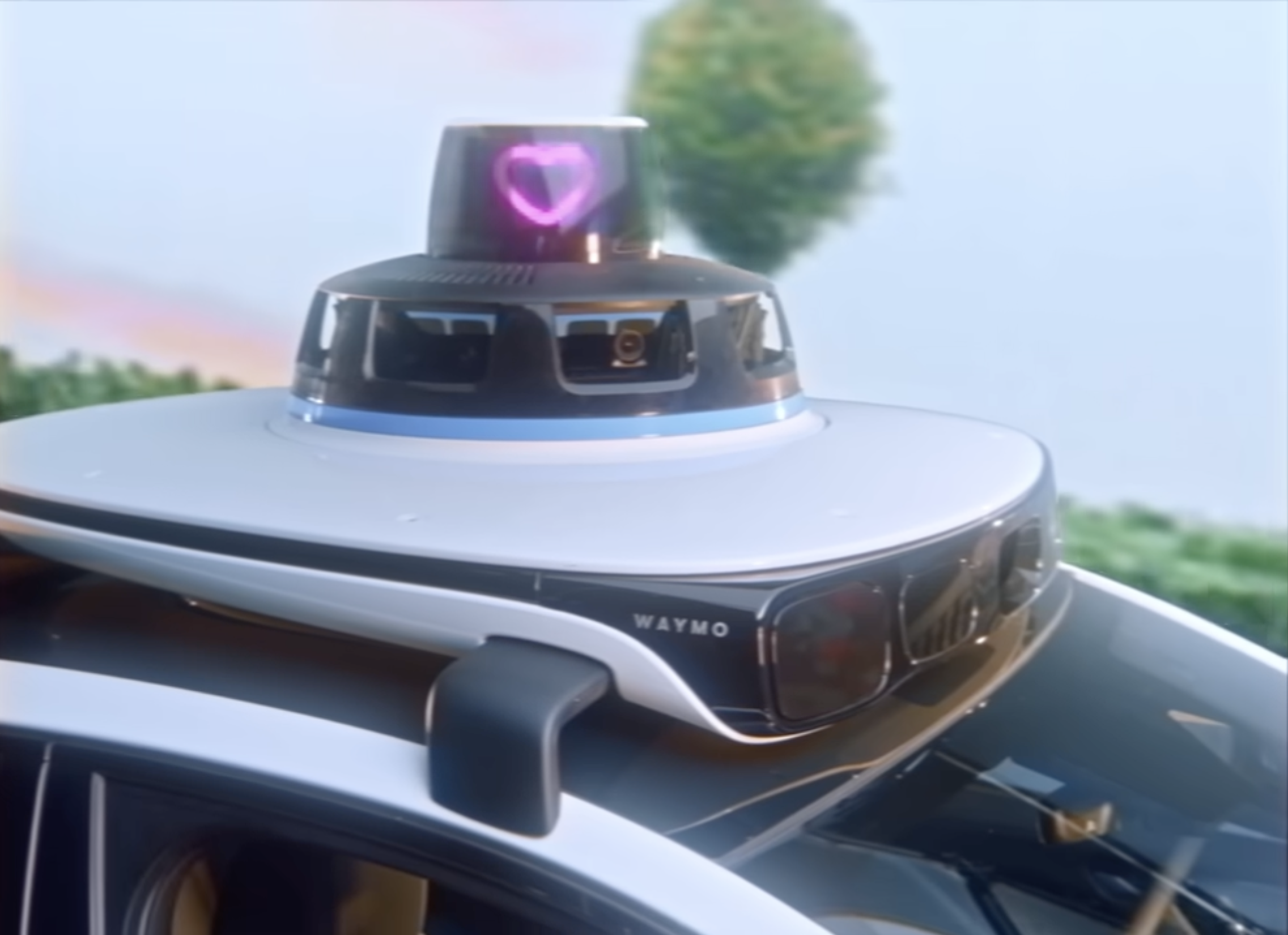
So, Katseye’s telenovela-goes-meta style music video for “Gabriela,” released back in June, features a prominent Waymo product placement. The ubiquitous autonomous taxi serves as a ringbearer for some wedding sequence as it drives Daniela down the aisle. The car gets, like, 30 seconds of screentime. This was before Waymos became synonymous with the death of a beloved bodega cat.
The crowd absolutely hated it.
Within ten seconds, the sold-out 8,000-person theater fell into a hush, save for the sound of faint jeering. It was stunning, as if the mere mention of the autonomous vehicle had burst the bubble of ecstasy that had formed in the room. The entire audience seemed to hold the company in contempt. Even the kids, replicating the elaborate hand movement in “Gabriela”’s choreography, had silently paused their dancing.
Waymo had thoroughly harshed Katseye’s vibe.
“People really don’t like Waymo anymore,” said Kim, the woman I was seated next to. She seemed to be speaking for a lot of people.
A few hours before the concert, Mission Local published the latest development in KitKat’s death, basically confirming that Waymo wasn’t entirely telling the truth about the car that killed the feline mayor of 16th Street. KitKat did not, in fact, zoom over right as the car was pulling away. Quite the opposite: Video footage showed that KitKat was right by the car’s front right tire for nearly 30 seconds before the Waymo drove off and ran him over. There was even a human, crouched over by the car, trying to get the cat out of the way.
It was always going to be like this.
This news came days after federal automotive regulators took Waymo to task for speeding past school speed limit zones in Texas, and a couple of weeks after it ran over a dog in San Francisco. (KTVU reported that the dog was euthanized due to the severity of its injuries.) Yet the fleet of cars continues to expand, rolling out in Miami, Dallas, Houston, San Antonio, and Orlando.
A couple of years ago, I had spoken to the Carnegie Mellon professor Phil Koopman, one of the leading critics of autonomous vehicles’ rapid creep into the mainstream. Something he told me rattled in my head a lot: Basically, he suggested that it was a matter of when, not if, Waymo would have a fatal accident. For as much as Waymo touts its safety relative to a human driver, it can never be immune from accidents as long as it has to share road space with humans and animals.
“If you overhype and act in an untrustworthy way, the loss of trust, it can be catastrophic,” he told me of Waymo back at the end of 2023.
In the years since talking with him, I thought a lot about Koopman’s words. Of course I’d heard of other incidents, that Waymos had caused mass nuisances or that the cars had hurt a human on the road. Despite all that, a narrative persisted that Waymos are better, more reliable than Cruise, which shut down in December 2024. Tourists ogled the cars; people posted videos of themselves inside; my friends and family across the country had heard of friends (or friends of friends) riding them. People I know started taking them earnestly around San Francisco instead of hailing Ubers or Lyfts (or god forbid, taking Muni). Fast Company named Waymo its most innovative company of 2025. Waymo was on its way to becoming an integral, if not exactly vital, part of the city’s fabric.
All it took was one terrible accident involving a very popular cat to bring that narrative to a screeching halt.. More and more negative stories have started to pile up. When bad PR rains, it pours.
Recent history bears this out. Remember what happened to Cruise, Waymo’s long-gone, General Motors-owned competitor? It expanded in a similar fashion: aggressively, nationwide, and with the blessing of state officials. Its downfall started with a grisly accident, where an individual was run over and dragged nearly 20 feet. Not unlike Waymo, Cruise said one thing; video footage showed something worse. The company faced blowback, and, following federal and state investigations, their permission to operate got revoked. Eventually, it was revealed that they hadn’t told the whole truth about the accident to federal transportation officials. Cruise was supposed to be the future of GM; now it’s just a stain on GM’s balance sheets.
As it stands, Waymo is in the blowback stage. Perhaps they are too big to fail at this point. In San Francisco, Waymos have gone from a little-used curiosity to a Market Street mainstay. Perhaps the company will operate flawlessly from now on. But the laws of probability suggest it cannot. If it survives — which, given that the California DMV just approved its expansion into Orange County weeks after KitKat’s untimely death, is very likely — Waymo has to be on its best behavior from now on.
Companies, even ones as big as Waymo, don’t get nine lives.