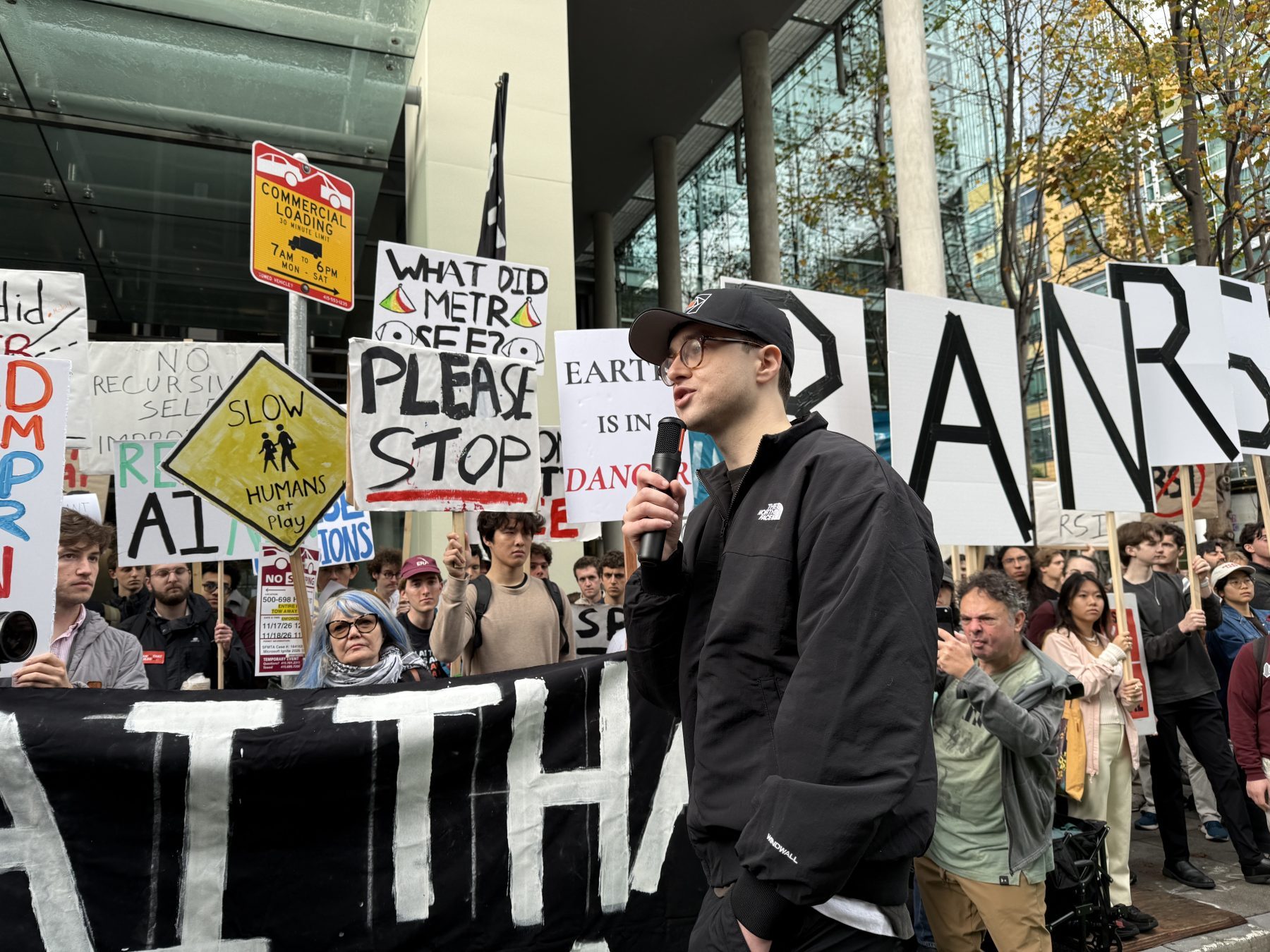



On Thursday morning, Cassondra Curiel, the president of the United Educators of San Francisco, called for a strike to start Monday. Almost immediately, confusion and alarm spread through the city’s schools. Teachers told students the strike was on; kids texted the news to their parents; the district hurriedly emailed parents to calm them.
The chaos unleashed by Curiel’s announcement belied the truth of the situation: little had changed from the day before.
The union’s members had overwhelmingly voted to authorize a strike almost a week earlier. The union says the school district has the money to meet its demands; the district says it doesn’t. Despite this impasse, there remains a chance, however slim, that a strike won’t happen.
The biggest development came yesterday, when an independent fact-finding report on the negotiations was released by three-person panel (one representative selected by each side, and a third impartial chair). Curiel told the crowd that the report “affirms the money is there for the district to offer raises and health care to our educators so they can stay in San Francisco.”
San Francisco Unified School District has a different take on the findings. The nine percent wage increase, along with the full dependent health benefits the union wants in addition to other demands, “would likely be rejected by the state,” SFUSD Superintendent Dr. Maria Su said in an email to parents yesterday. San Francisco’s public school district remains under state oversight, Su noted, “making a conservative fiscal approach necessary.” According to Su, the report concludes that the union didn’t make its case that the district has sufficient money to pay for the costs of its demands.
Asked about the fact that SFUSD’s expenses are being monitored by the California Department of Education, Curiel said the union is negotiating with the district, not the state. “So that’s who we’ll remain with.”
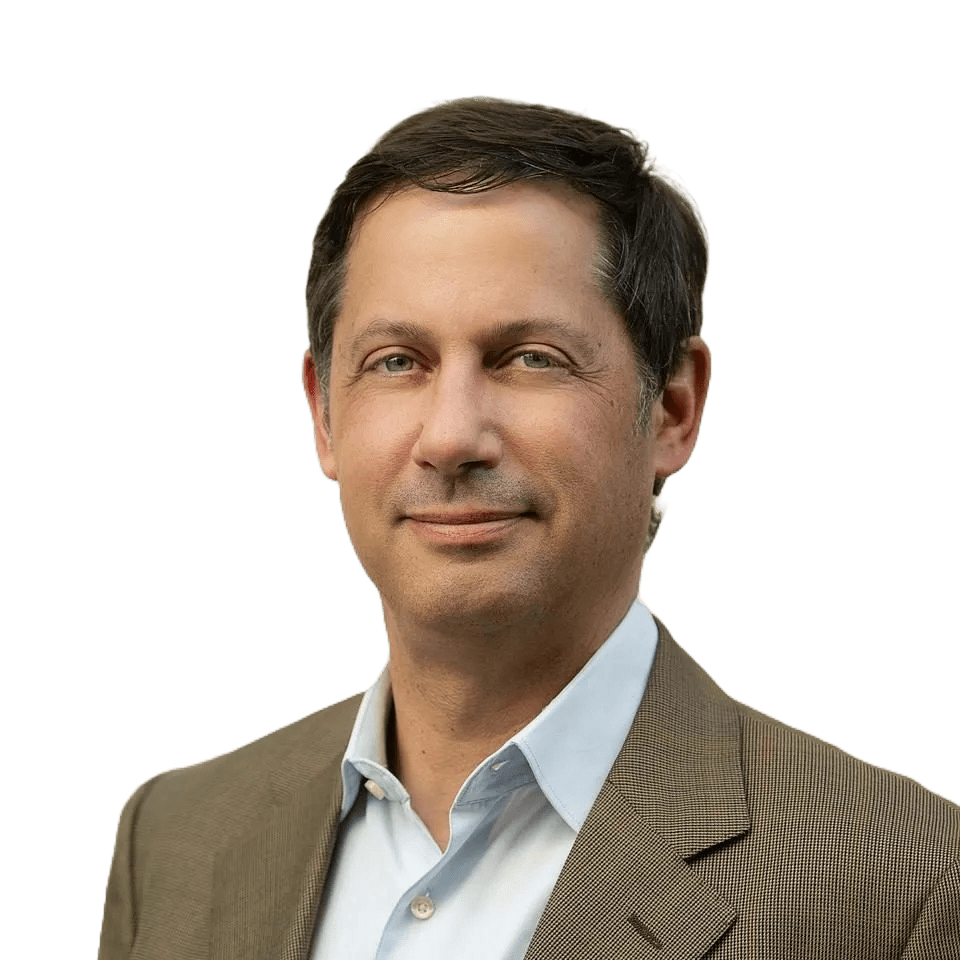
But the response doesn’t recognize that the district’s hands are tied. In an interview with Gazetteer SF last week, the state monitor Elliott Duchon, said that in its negotiations with the union, SFUSD will have to “hold the line” on any increased expenses.
Su, in a statement released after the press conference, said at tonight’s meeting the district will offer a proposal that meets many of UESF’s demands “including to fully fund family healthcare and provide wages we can afford. I believe we can have a meaningful and productive negotiation session with UESF.”
After the press conference, Curiel also told Gazetteer SF that the union is prepared to negotiate through the weekend. Two years ago it negotiated for almost 13 hours straight, arriving at a deal at 6 a.m.