

Crime in San Francisco has fallen in a number of categories since last year, according to a Gazetteer SF analysis of San Francisco Police Department data from January to November, the most recent month available.
Through November, violent crimes dropped 14% compared to the same period in 2023, with a total of 4,434 incidents — about the same volume recorded between January and November 2020. That includes a major decrease in the number of homicides, which fell from 50 in 2023 to 33 this year. That’s the lowest number since 2019, and suggests a natural regression after a pandemic-era spike in violent crimes.
Robberies too, have dropped about 22%, for a total of 1,994 incidents between January and November this year — the lowest number during that period over the last four years.
Similar trends have unfolded for property crimes, despite mass-media rhetoric and claims from residents that the phenomenon is worse than ever before. The numbers for burglary, larceny theft, thefts from vehicles, motor vehicle theft, and arson are all down from 2023. The large sample size of incidents suggests considerable shifts in criminal activity; for example, there were 1,300 fewer cars reported stolen this year than last year.
As to why the downturn in crime has happened, that’s a lot harder to parse. Experts in crime analysis suggested caution when looking for the cause of short-term crime trends — especially when police, district attorneys, and local politicians are all attempting to take credit for it.
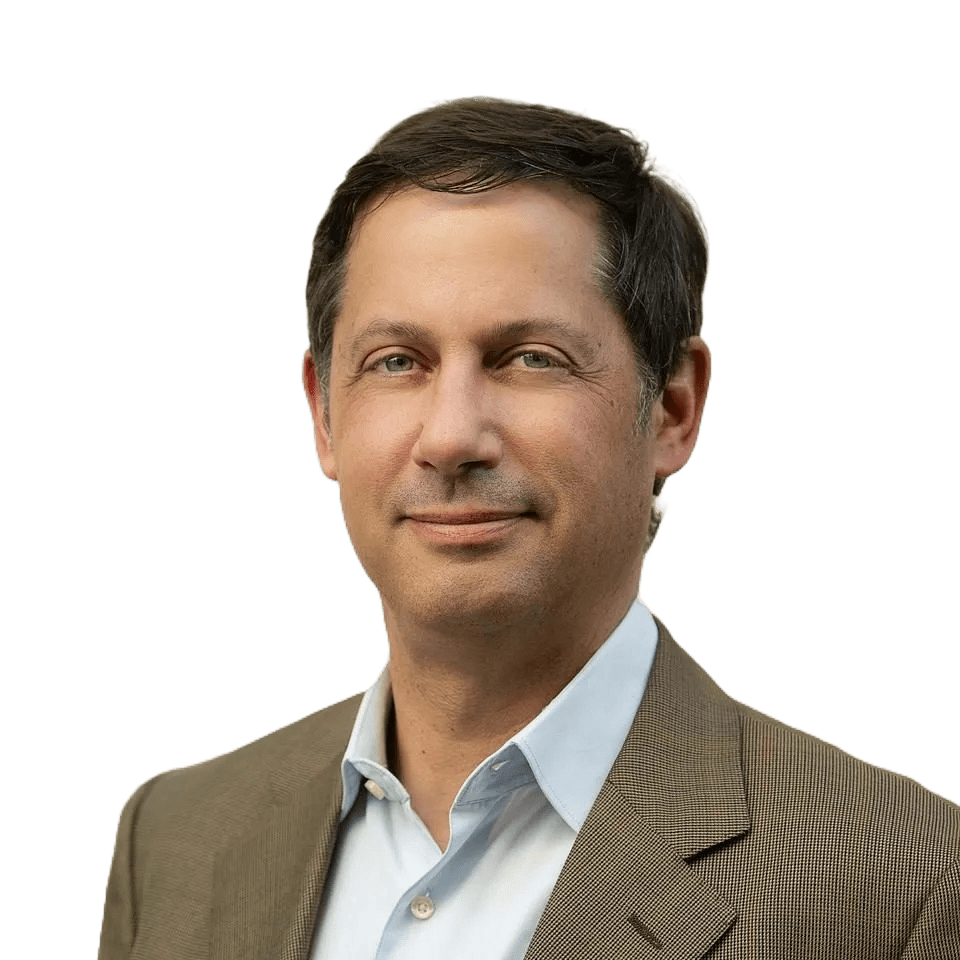
This year’s data paints a “mixed picture,” according to Chesa Boudin, former district attorney of San Francisco and current executive director of the Criminal Law and Justice Center at UC Berkeley. Despite his 2022 recall and the implementation of a more “tough-on-crime” agenda by successor Brooke Jenkins, Boudin notes that some categories, like rape and assault, have not seen meaningful decreases since his tenure.
Boudin emphasized that the city is seeing “near record lows” for many crimes, but said that’s not unique to SF — the same trend is unfolding in many U.S. cities, and has been for decades.
“Given those broad, long-term, national trends, there is no reason to think that any specific policy, politician, agency or law can claim causal credit,” Boudin wrote in an email to Gazetteer.
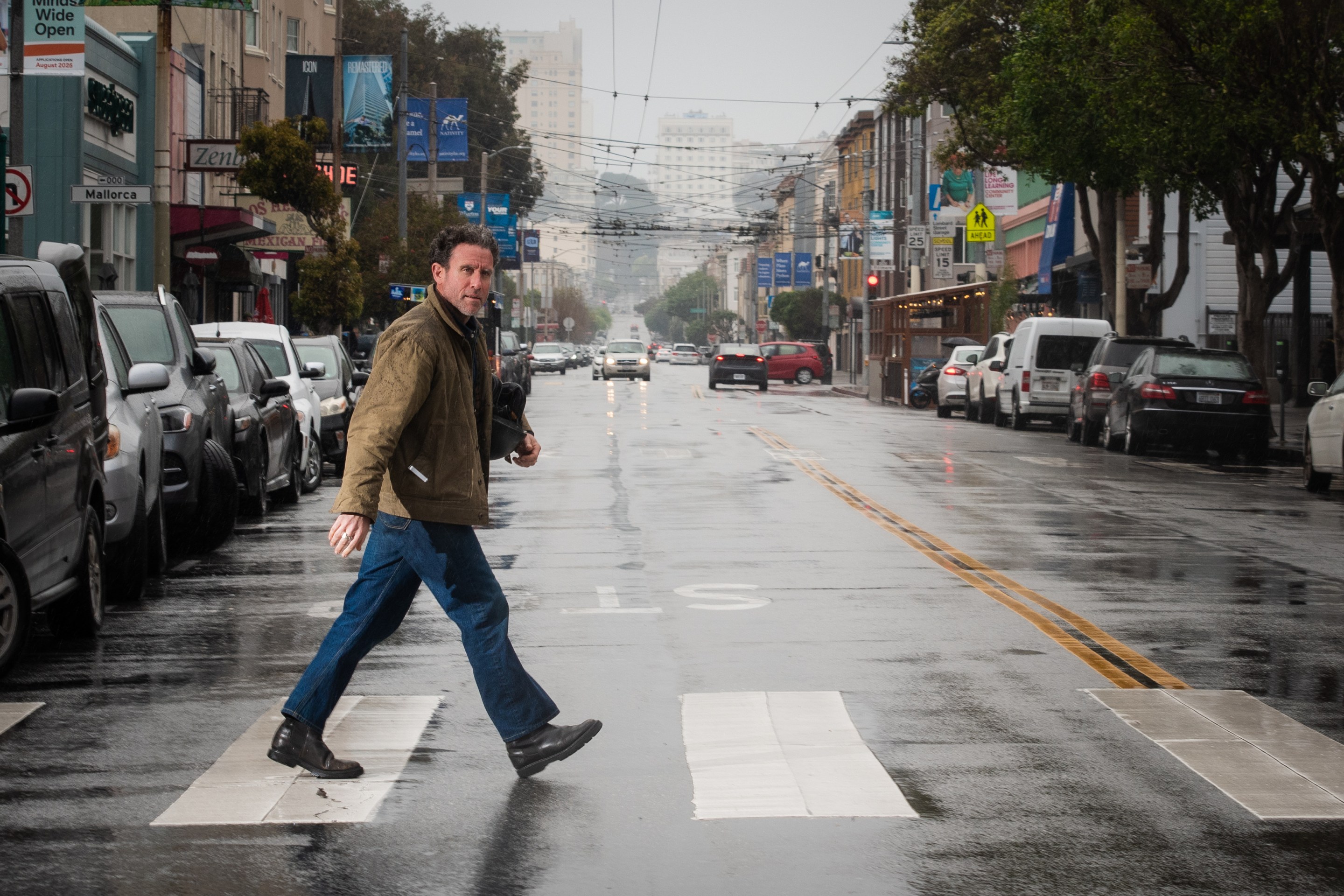
Kimberly Richman, a professor of sociology at the University of San Francisco, agreed with Boudin’s take, and criticized the idea that a handful of enforcement changes could transform the rate of crime.
“You cannot see the effects of any new policy, in the course of a year, two years, or maybe even five years. It’s a gradual process,” Richman told Gazetteer. “For the most part, we are tinkering at the edges — so many things go into crime rates across the U.S., and it cannot possibly boil down to some cameras on the street.”
Richman acknowledged that SF has a unique problem with “disorder on the streets,” given its homelessness crisis and the compounding effects of addiction. But she maintained that much of the panic over increasing crime in recent years has less to do with specific policies in SF, and more with the effect of the pandemic.
Auto thefts and burglaries of commercial spaces increased because lockdowns created more opportunities for those crimes, Richman said. Meanwhile, the media and public alike focused heavily on constant news of criminal incidents, which radically tilted the discourse online and in community spaces.
“It shocks me to this day that the public do not understand this message — they vote for things based on an idea that crime is out of control, when the data doesn’t really bear that,” Richman said. “It can be terrifying for a person when their space is invaded. That’s real. But does it mean they’re more likely to be victimized by violent crime? Absolutely not — unless they are unhoused.”
Boudin remains critical of efforts like Prop. 36, a state measure which passed in November’s election and will roll back the major features of 2014’s Prop. 47. That law worked to reduce jail overcrowding, lower the number of felony convictions for non-violent crimes, and divert low-level offenders to services rather than the criminal justice system.
He also questioned whether instituting harsher penalties for crimes like theft will actually deter future incidents, pointing to extensive research by the federal Department of Justice that shows certainty of arrest is a greater deterrent to crime than the severity of potential punishment.
“If people expect to get caught, they won’t commit a crime regardless of the punishment,” he told Gazetteer. “Across the country and the state, police clearance rates and response times are unacceptably low.”
An increase in police staffing at SFPD could help address criminals’ lack of concern about getting caught, Richman said, given that the department is short about 500 officers. But “just more bodies” would not be sufficient. Greater cultural competency, community connection, and a higher level of accountability will all be necessary to improve the reputation and efficacy of the police force, she said.
Richman also supports alternatives to traditional cops, including the grassroots work of groups like Critical Resistance, which has created a campaign dubbed “Oakland Power Projects” to offer non-police alternatives to neighborhood needs and emergencies.
When asked about the most critical criminal justice issues facing San Francisco residents in 2025, Boudin pointed to SFPD’s wasteful overtime spending, a crisis of court delays around misdemeanors, and departures of key staff from the DA’s office.
“How can we get a better return on our tax dollar investment than the status quo?” he wrote.