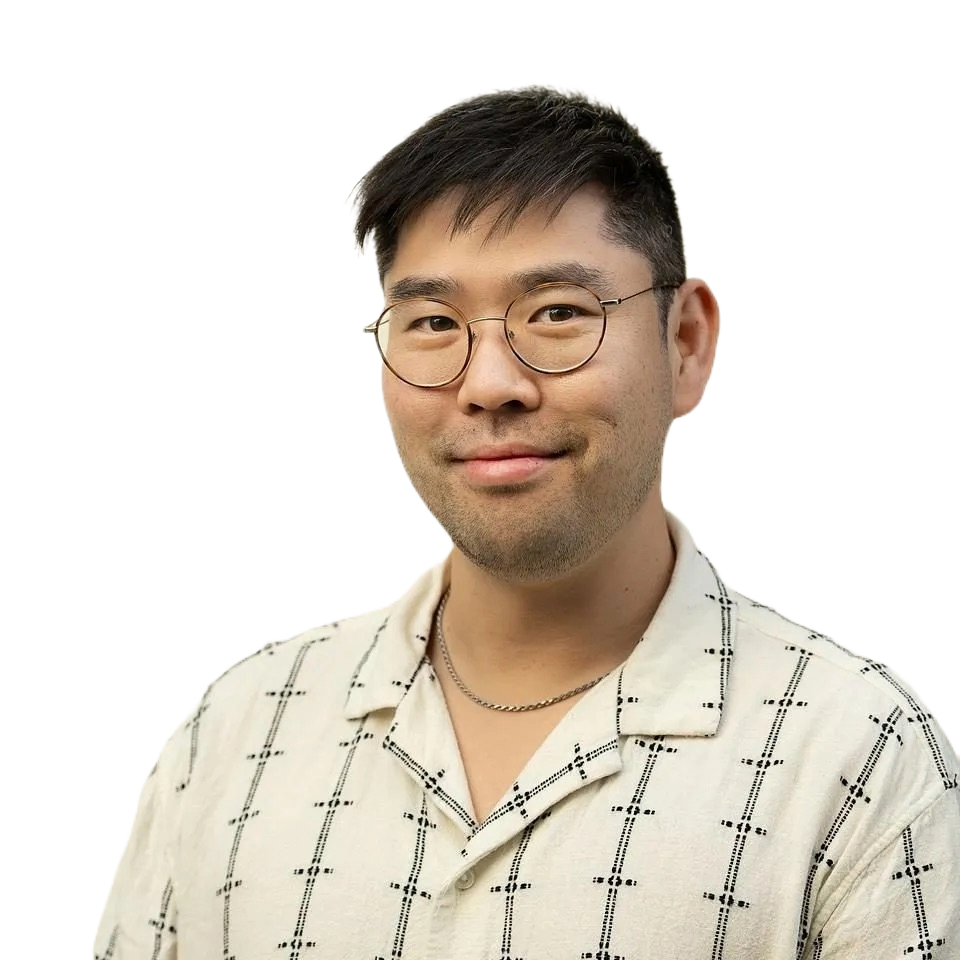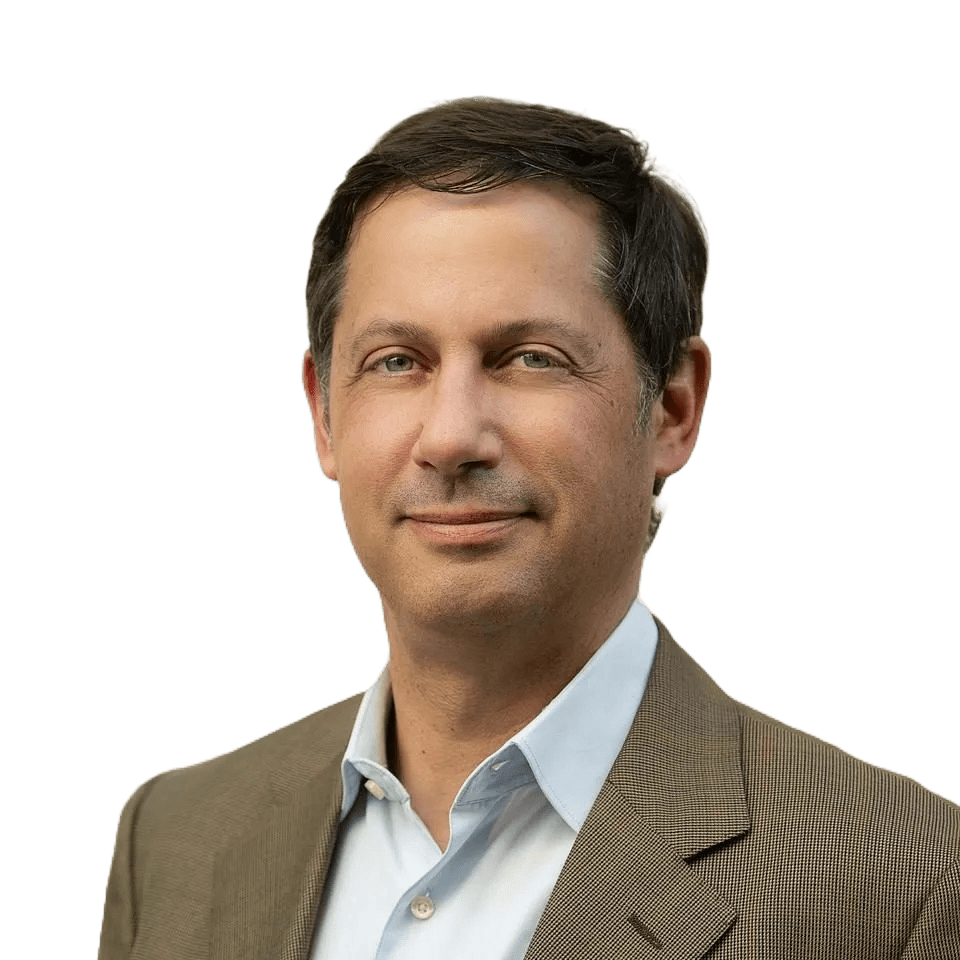


Ben Kennedy first visited San Francisco in 2022.
At the time, he was 22 years old and living in Sydney, where he had just graduated from college with a degree in entrepreneurial studies. Struggling to get traction for his first startup, Kennedy took the advice of one of his professors and made a plan to spend a few months in the Bay, to see what its storied tech ecosystem had to offer.
It was everything he wanted and more.
“I found this sense of belonging I don’t think I had felt in my life,” recalled Kennedy, now 27. The AI boom was just beginning, and for the first time, he found himself surrounded by other young founders as energetic and ambitious as he was. New ideas were abundant. So was venture capital. Investors and insiders, ever-elusive to him in Australia, were now just a house party away. Everyone was dreaming big, and those dreams seemed genuinely achievable.
Compared to Sydney’s tech scene, Kennedy said, San Francisco was like “playing in the fucking Premier League.”
Kennedy now runs his current startup, Gecko, an AI platform for rental businesses, from a hacker house in Polk Gulch. He’s lived there full-time since 2024, which makes him, to borrow a term from technology analysts, an early adopter of a growing trend: The influx of Australian founders settling in San Francisco who have traded the beautiful beaches and enviable work-life balance of Oz for the frigid summers and glorious grind of the Bay Area.
Data related to this influx is difficult to measure since not every Australian who has joined the local startup scene arrives in the same way. Some use the ESTA program, a short-term visa waiver, to try out the city before moving here for good. Others get O-1 visas or win the H-1B lottery. For several years now, the vast majority of Aussies entering the American workforce have come on the E-3 visa, an indefinitely extendable, two-year work visa available only to Australians, according to State Department data.
Regardless, one thing is clear: “There are a lot more Australians that are here now,” said Sunil Joshi, the SF director for Landing Pads, a startup support program run by the Australian Trade and Investment Commission, or Austrade.
Austrade runs Landing Pads in Southeast Asia, the UK, and the US. The one US-based Landing Pad operates out of a co-working office in San Francisco, in a building in the Financial District that also houses the Australian Consulate. (It also houses the Gazetteer SF newsroom.) When the program launched in 2016, the spaces mainly offered Australian tech founders a turnkey office.
In 2020, Austrade added programming like online bootcamps on sales and fundraising to help the founders break into global markets. The idea, Joshi said, is that any prosperity built abroad will “naturally go back to Australia, and more people will be hired at home base.”
According to Joshi, Sydney and Melbourne have healthy tech industries, led by big Australian companies like Canva and Atlassian. But for Australia’s most ambitious young founders, the pull of San Francisco’s AI gold rush is hard to resist. “I’ve lost count of the amount of Australians who have gone home over the last few years and come back,” Joshi said. “They have that FOMO. They want to be back where the center is and where things are happening.”
Matt Boustred is the co-founder of Prompt Cowboy, an AI prompt generator. He arrived in San Francisco from Sydney in mid-July of this year and immediately set up shop at the Landing Pad.
Boustred agreed that the AI is the primary force bringing waves of Aussies crossing the Pacific, but he speculated it goes deeper than that. “There’s a change happening in the psyche of the Australian startup ecosystem,” he said.
“Traditionally, Australia has been very comfortable. It’s been called The Lucky Country. It depended on mining, banking, very old industries,” Boustred explained. “Now, there’s a younger generation that’s looking at how we’ve been sitting on our laurels, and thinking we actually need to change and invest in the startup ecosystem and sort of give people permission to be ambitious.”
“Tall poppy syndrome” is a phrase that comes up a lot in the Australian startup community. It refers to the idea that, in Australia’s more collectivist culture, rising above the rest is more of an aberration than an achievement. “Basically, if you’re successful, people will try to beat you down,” said Annie Liao, a 25-year-old AI founder and moderator of a WhatsApp group named “Aussies in SF” that has more than 500 members.
Back home, there is “a bit of social stigma around failure, around taking a risk and having it not work out,” Liao said. But in America, ambition is seen as a virtue. That’s freeing to Australian founders. “In SF, failure is, like, rewarded. Even if you start a startup and it doesn’t work out, it’s still chill,” she said.
She described the Australian expat community as generally friendly, supportive, and, despite their big ambitions, very humble. Liao said there’s no one bar where Aussies congregate. Kennedy and Joshi both count Balboa Cafe as a favorite spot, and in June, Danny Coyle’s on Haight Street was overrun with tech-y Aussies for the Australia-Turkey World Cup game. But in general, several founders told me, the scene converges at park hangs in Golden Gate Park and house parties, often at hacker houses in Hayes Valley, where things can be a bit more intimate. These days, the hosts are often notable Australians in the AI industry, many of whom work at Anthropic, which saw one of the biggest expansions of E-3 sponsorship among American employers in 2026. Sholto Douglas, one of Anthropic’s lead researchers, is known to host Australia Day parties, Kennedy said, and Liao recalled a series of waffle brunches hosted by Tobin South, also a researcher at Anthropic, in the backyard of his “semi-Australian hacker house.”
To outsiders, the guest lists at these sorts of gatherings can look like roundups of AI power brokers, but Liao said the vibes remain down-to-earth, “bubbly,” and “happy.”
“Everyone is just chilling and talking not about work,” she said.
Liao has hopped between Sydney and San Francisco for about three years, but she’s noticed the Australian wave gaining momentum over the past year. Like Joshi, she attributed it to FOMO around AI, as well as to the success of a few pioneering Aussies who have “paved the way” for other young founders from down under.
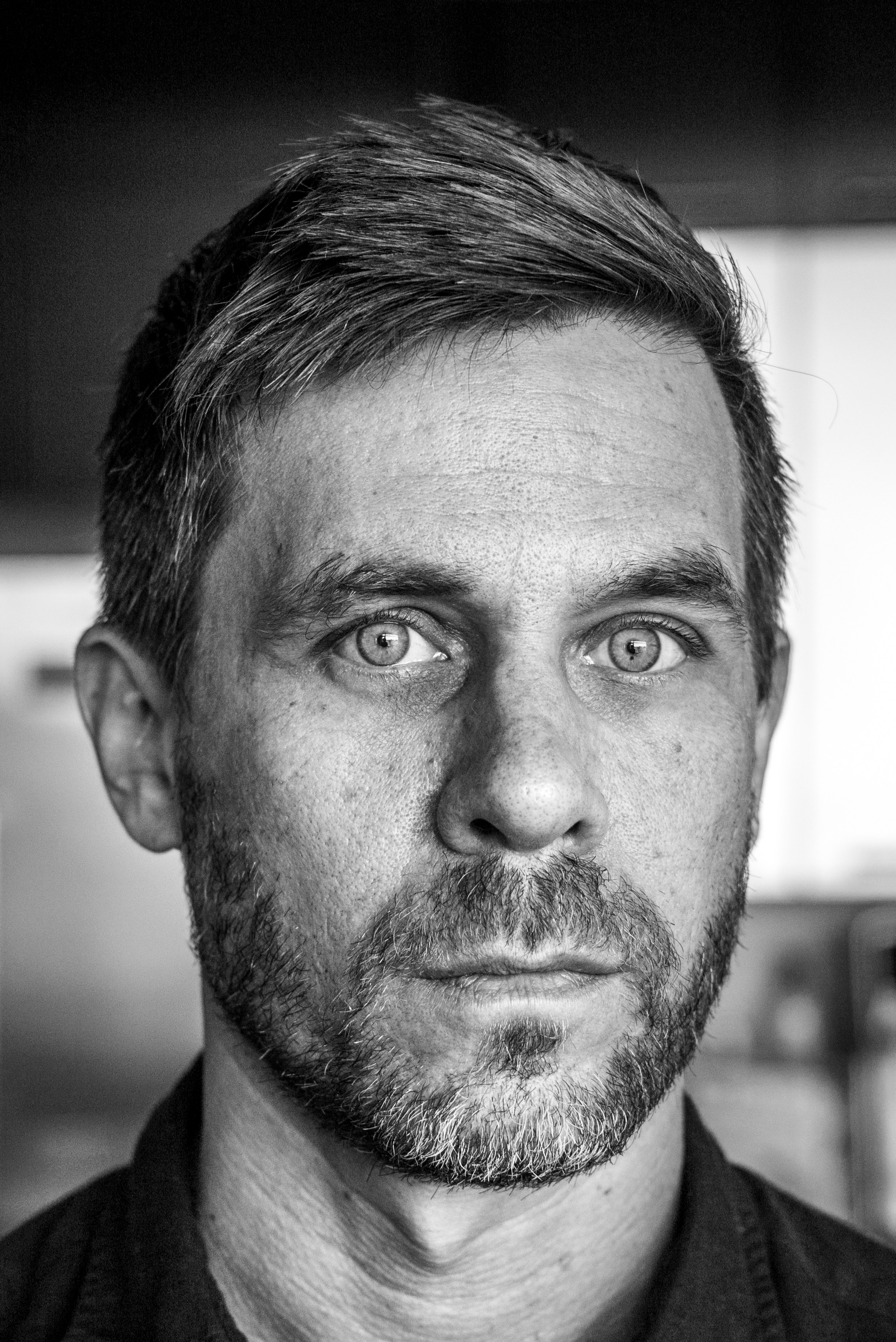
One of them is Max Marchione, the 26-year-old co-founder and CEO of Superpower, a San Francisco-based personal health and longevity platform.
Earlier this year, Superpower raised a $30 million Series A round funded in part by celebrities like Vanessa Hudgens, Steve Aoki, and Logan Paul. The funding round brought its total valuation to $432 million. Marchione himself has become a personality in the biohacking world: His Andrew Huberman-esque attitude toward optimizing the human body has captured the attention of millions online and coverage by the Australian and American press. Earlier this year, Business Insider called Marchione “a peptide poster child” for how he extols the gray-market drugs on X. In August, Marchione told the podcaster Jayden Clark (a fellow Aussie and a friend of many Superpower employees) that height “will be solvable…potentially in the next 15 years” via un-fusing growth plates and taking growth hormones.
“People joke about the Australian mafia,” Marchione told me, “but I think there’s actually far less of an actual mafia, or, like, allegiance among Australians in the Bay than I would like.”
Ideally, Marchione said, the Australian founder community would operate under “an implicit agreement to help each other,” elaborating that, “The idea would be, like, if I hear someone’s Australian, I will go increasingly out of my way to help and support them.”
In January, Marchione stated publicly that he will invest in any Australian founder who relocates to San Francisco to run their startup without even vetting their product. Only partly is this out of patriotism; mostly, he thinks those founders have already proven themselves. “If an Australian decides to move to the US for work, it’s a pretty good selecting function for who’s the most hardcore of the lot,” Marchione said.
About a year ago, Superpower opened a Sydney office but is now in the process of shutting it down. Of the ten employees hired there, almost all have moved to San Francisco, Marchione said. (Three still work remotely from Sydney, but Marchione said they are not making any new Sydney hires. One person left voluntarily due to what Marchione called a “mismatch in engineering values.”)
“Australia is seeing a bit of a brain drain,” said Hannah Ahn, Superpower’s 24-year-old head of design. To Marchione, the reason is obvious: “No matter what the Australian tech scene did, they wouldn’t be able to retain talent, short of radical, radical policy.”
That might mean, say, deregulation in certain tech sectors, or significant tax cuts for founders. Marchione doesn’t see that happening any time soon, and even if it did, he doesn’t think it would be enough to keep Australia’s tallest poppies down. San Francisco’s tech industry is too sophisticated to replicate in Australia.
“It’s not even a question,” Marchione said. “If you’re ambitious and want to do great things, you need to be in the US.”
Kennedy, the Gecko co-founder, has been here on his E-3 visa since 2024 and has no plans to leave, but he says that San Francisco is not for everyone. Over the past two years, he has talked to more than 100 Australian founders about the pros and cons of making the jump.
Late last year, he compiled his insights into a LinkedIn blog titled, “Everything You Need to Know about Moving from Australia to SF.”
He said that he wants it to serve as a resource for Bay-curious Aussies wondering where to stay, who to connect with, and how to properly network. (His tip for that last one: “Australians have an excellent reputation here…don’t fuck it up. Don’t be transactional. Don’t clout chase.”)
Sitting on the living room couch of his Polk Street hacker house, Kennedy also offered another bit of learning as an Australian in San Francisco: “It’s definitely easier to sell when you’re actually over here,” he said. Not only are you in the right time zone, but “the Australian accent actually goes a pretty long way.”
A version of this story first ran in print in Gazetteer San Francisco Issue 4.