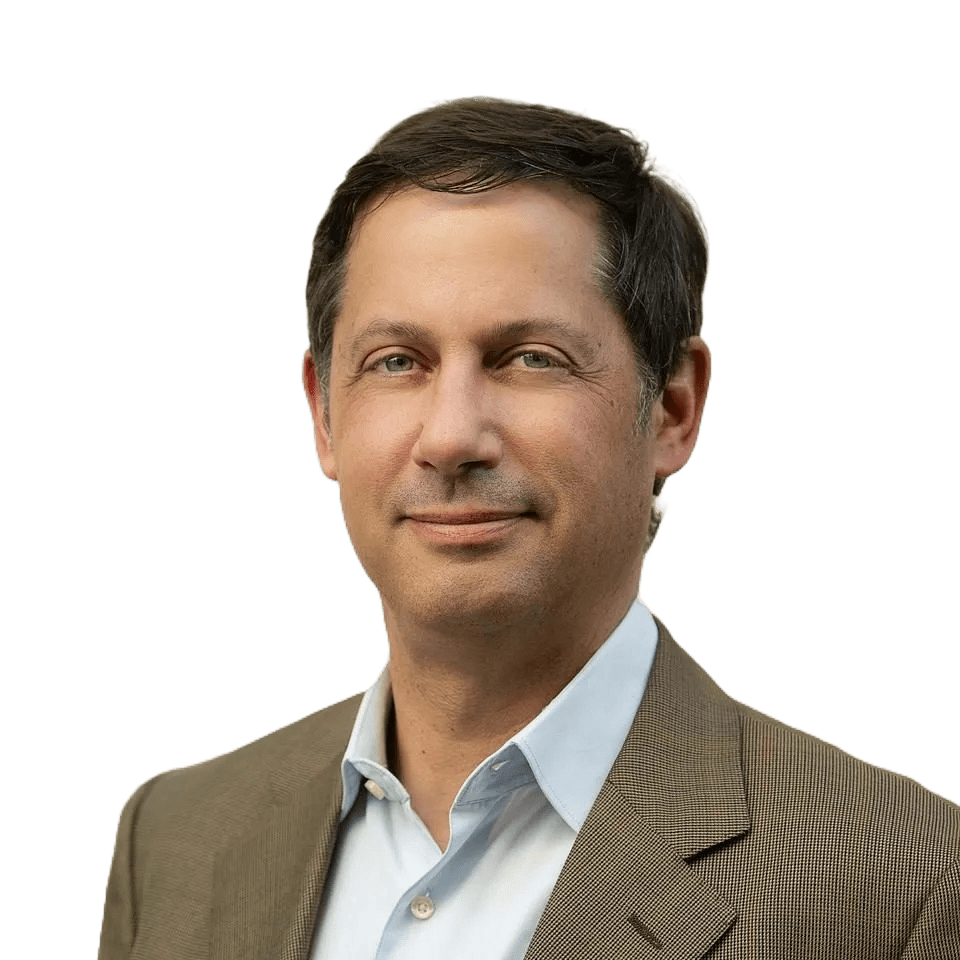

On Friday, just before the kickoff of the Trans March at Dolores Park, Scott Wiener was confronted and loudly rebuked by activists about his support of Israel and his approach toward policing and homelessness, among other subjects. Videos show Wiener leaving Dolores Park flanked by protesters amid a chorus of expletives from the crowd.
Wiener, who is gay and Jewish, later criticized the confrontation as harassment and bullying in a statement on Instagram. His spokesperson Joe Arellano told the press the incident was antisemitic. So did Mayor Daniel Lurie on June 27. The national media, including the New York Times and Fox News, immediately picked up the story, once again casting San Francisco’s progressive queer community in a negative light.
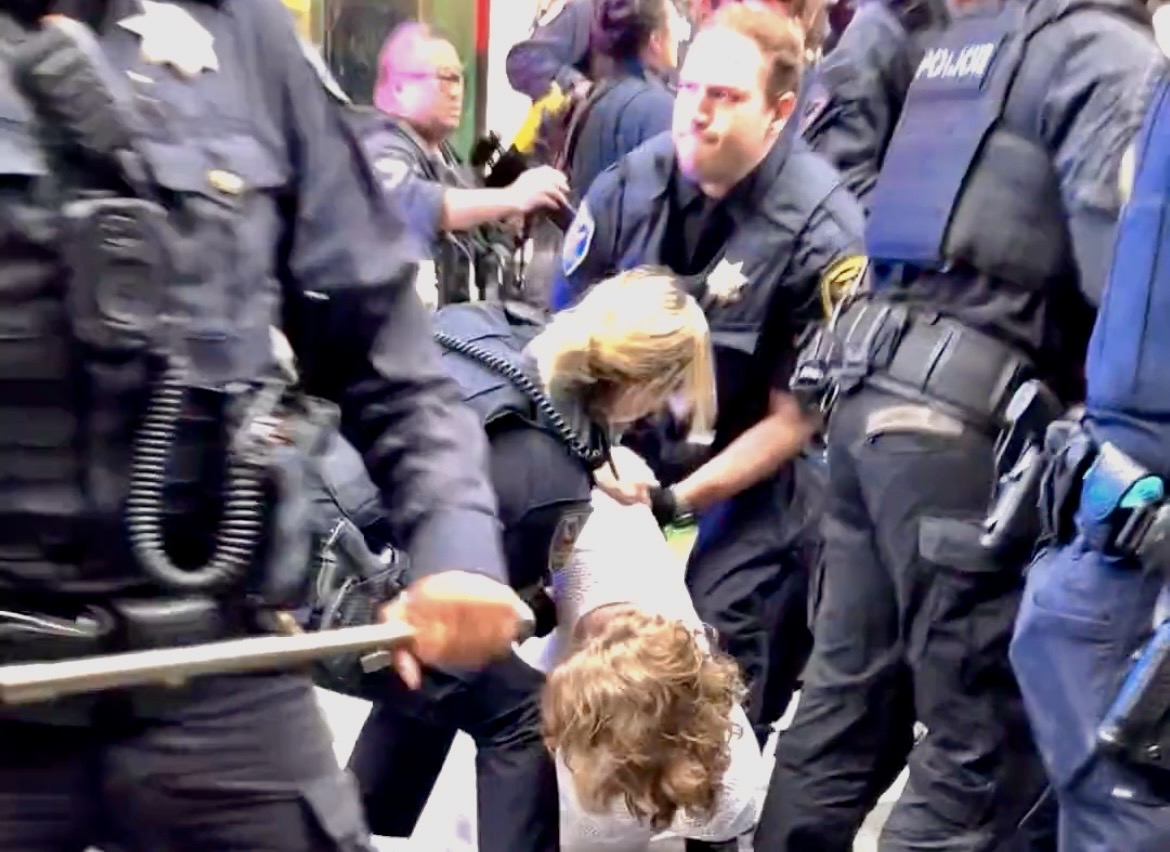
Several hours later in the Tenderloin, police swarmed multiple Trans March participants who had allegedly sprayed paint on statues and security cameras. Dozens of officers poured into the Transgender District at Turk and Taylor streets in response; videos show the officers getting physical with bystanders and brutalizing those who attempt to intervene.
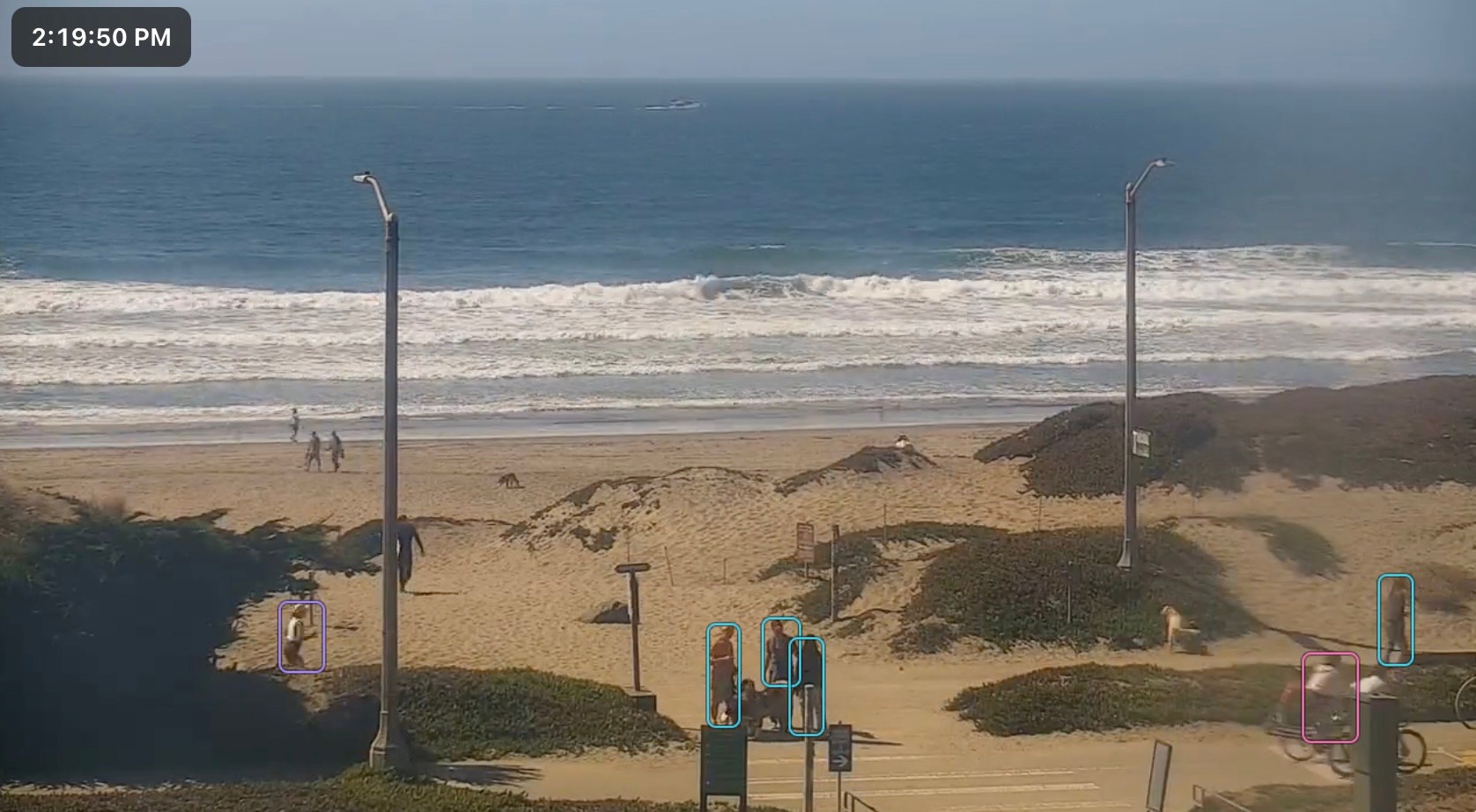
Based on its tactics, the San Francisco Police Department likely deployed drones or Flock camera footage to pinpoint and target the alleged perpetrators with a massive show of force despite the fact that vandalism is normally a misdemeanor infraction unless the damage is more than $400. Once again, the out-of-town press had a field day with the story.
The next evening, dozens of officers again swarmed a queer gathering, this time an unpermitted Stud Alley night party in SoMa. Video shows SFPD bulldozing in with riot gear and zip ties, ultimately arresting 20 people.
The dust is settling on these incidents, but to observers with a longer memory than just this week’s timeline, an older story about queer culture in San Francisco may come to mind: a tale of radical, sometimes violent resistance to an establishment and that establishment’s supposedly more palatable ways of celebrating the LGBTQ+ community. The chaos of the three incidents raises questions about what, exactly, Pride ought to look like.
For all of Wiener’s efforts on pro-trans legislation and queer advocacy, he has long been criticized by San Francisco progressives for aligning with corporate interests, backing Israel, taking money from real estate lobbyists, pushing policies that criminalize poor people, and cozying up to police. More recently, Wiener drew boos for his opposition to Prop D, the “Overpaid CEO” tax that failed in the June election.
To radical activists, Wiener represents the San Francisco they hate: A city of centrist economics and law and order, washed in a thin layer of pink. That San Francisco can also be seen in the police crackdowns on Friday and Saturday: Sure, the cops may pass out rainbow flags at the SF Pride Parade, but some also threw trans people to the ground a few blocks away.
This weekend’s confrontations are ripples, after all, from a decadeslong conflict between the police and trans activists. In August 1966, the Compton’s Cafeteria riot started when a drag queen threw a cup of coffee at an officer while being detained for loitering. The Tenderloin venue was a known gathering place for LGBTQ people, much to the chagrin of ownership, who had a habit of calling SFPD. In this case, drag queens and trans women fought back, fist-fighting police in the streets and shattering Compton’s windows.
Eight years later, almost the same script unfolded when SFPD beat and arrested a man outside of Toad Hall on Castro Street. The resulting confrontation triggered another wave of officers who swarmed the streets and beat up gay men seemingly indiscriminately, with 14 people arrested and charged with obstruction.
Then, in 1979, the White Night riot erupted after Dan White, the murderer of Harvey Milk and George Moscone, received a lesser conviction of voluntary manslaughter. A protest in the Castro made its way to City Hall, where it escalated into a full-on brawl between marchers and the police, complete with burning police cruisers.
For newcomers to this history, there may be immediate and offensive irony in the fact that a gay politician who has advocated for gay rights would be ejected from an event to celebrate queer identity. I’m not sure that the tactic of screaming obscenities at Wiener in the age of Instagram Lives and toxic discourse was tactically wise (see: the mountain of donations Wiener got in the aftermath.) But it shouldn’t be surprising that a legacy SF politico seeking higher office was met with rude resistance at the Trans March. It’s practically a tradition at this point, with participants in the past jeering elected officials like Daniel Lurie, Ed Lee, and Mark Leno (the first openly gay man elected to the state senate).
In the 20th century, queer activists drew controversy in San Francisco, with critics claiming their militant efforts to resist authority were promoting disorder and violence.
Nowadays, they’re celebrated as pioneers. Not for nothing have activists said (sometimes shouted) that “Pride is a riot.” For better and worse, this weekend was just another example.