

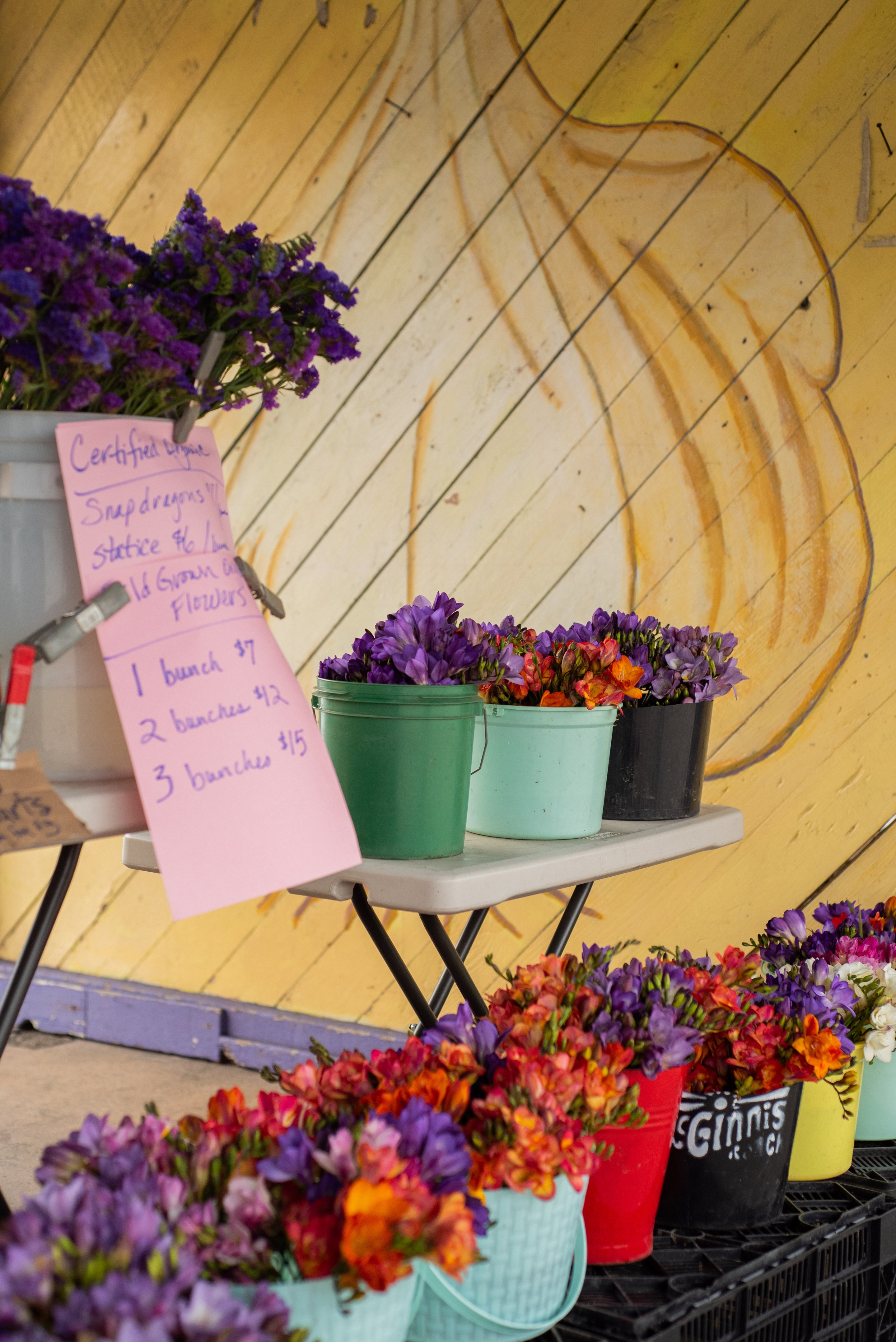


Flowers are more than symbols of love, hope, peace, forgiveness, grief, and sorrow. In fact, a fair bit of our world relies upon them. Flowers carry with them a deeper meaning than just a showy display of fragrance and pomp. I see them also as the bridges between many worlds.
If you’re like me, you definitely know when spring arrives every year. The constant sniffling heard around the city is a tall tell sign that nature is doing what nature does best: mate. Every spring, hundreds of species of plants in our neighborhoods that produce flowers decide to bloom and release their pollen, the powdery substances that causes so many of us to have seasonal allergies.
This frenzy of microscopic particles is a problem for some of us, but a matter of survival for flowering plants. Physically for the plant, flowers are the reproductive parts that may eventually turn into a fruit containing seeds, thus flowers serve as an intermediary between generations of parents and offspring.
Culturally, flowers serve as a currency binding people to traditions as old as the flowers themselves. Humans help propagate flowers by sharing them with each other. My personal and most favorite use of flowers is growing them for a neighbor, to which a home cooked meal may be given in return.
I’m reminded of a woman I first met while working at a garden in downtown San Francisco. She must have been in her late 70’s at that point. At first, all she wanted was flowers and very little talking. As time went on, and her visits became longer, we began to talk and share our stories. Soon she began to make me meals in exchange for the flowers I grew, a kind and generous gesture for something that I would have done freely.
Flowers want the same things as people: to be admired, appreciated, and to be seen as special. They also want to live and spread themselves out. Each flower blooms in its own time, just as people do. So as Spring turns into Summer, and then into Fall, take a moment to share your own blooming and seek the blooming of others.
Reader question: I live at the top of Potrero Hill with a large concrete area facing west behind my building. Our landlord kindly let us set up containers to grow a garden. We're pretty exposed from the south, and get a lot of wind, but also sun.
My seedlings have come up and I'm concerned they might have a mildew/disease. April was pretty foggy/windy/cold, so I'm not sure if that's it.
Notes on soil: we supplemented last year’s solid with a healthy addition of compost, and added a sprinkle of organic fertilizer. In the pumpkin's container, we put a fish head in a few weeks before planting.
Young plants are susceptible to a host of potential threats, including molds, insects, animals, and people. With San Francisco’s fluctuating weather, the chance of plants becoming hosts to molds in particular is very high. A common mold affecting shrubs and vegetables is one called Powdery Mildew.
Powdery mildew is a fungus that lives in soil and thrives in moist and humid conditions and can lead to a larger problem if not handled properly. If you start to notice white fluffy splotches akin to mold on bread, then your plants may have an infection. As a fungus that lives in the soil, it will most likely always be present. Unless you get entirely new soil, it's gonna be around in your area.
Steps to manage include watering directly into the soil avoiding spraying the leaves. Additionally, don’t stress your plants too much. A stressed plant can easily become a sick plant. If the mildew is occurring on older leaves that are also wilting or naturally decaying, remove and throw them into city compost. If occurring on younger, more tender leaves then the following are recommended: Give plants enough space to grow and not overcrowd to allow air flow around leaves. Natural solutions, such as Neem Oil sprayed once a week could lead to improved results. Try moving or rotating your plants seasonally; if possible do not plant the same plant in the same exact area year after year. Lastly, try covering your soil with a mulch to slow the spread.
I’d be remiss if I didn’t also speak from a fungal perspective. Fungi are nature’s recyclers, giving nutrients to and among plants. Powdery mildew in particular is doing what it’s supposed to: survive and spread. It just so happens that its life cycle is disagreeable to us.
It’ll take a few tries and methods until you figure out what solution works for your situation. As always, go as natural, and be patient, as possible.
Have a gardening-related question for Thomas? Email info@gazetteer.co with the subject line “City Roots” or text your question to (415) 787-6570. Please include your name so that we can reach back out to you.