
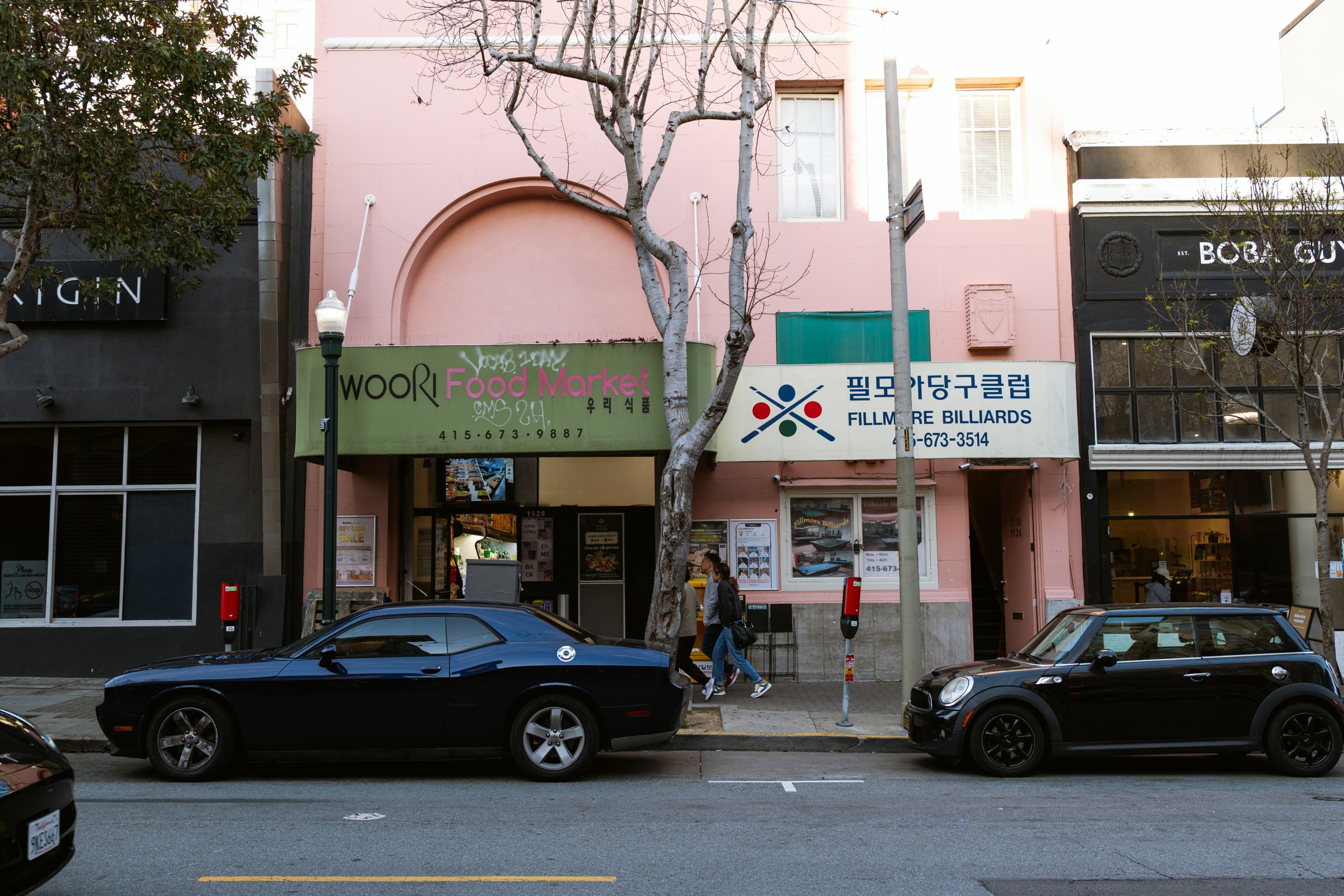
A coalition of community members is forming to create a grocery cooperative that would serve residents of the Lower Fillmore, Western Addition, and Japantown neighborhoods. The push comes after two big name grocery store closures in two years, leaving residents in a food desert.
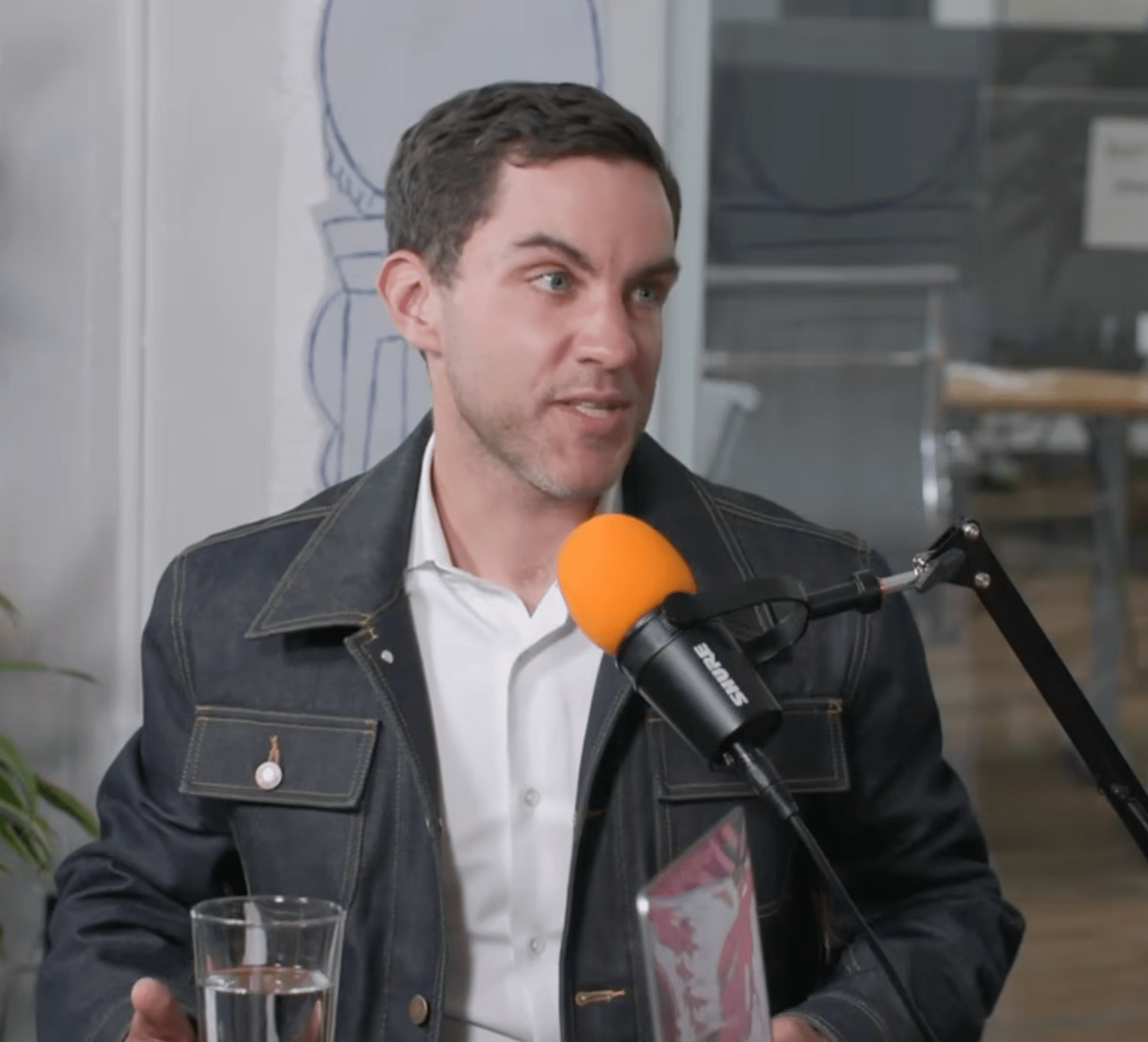
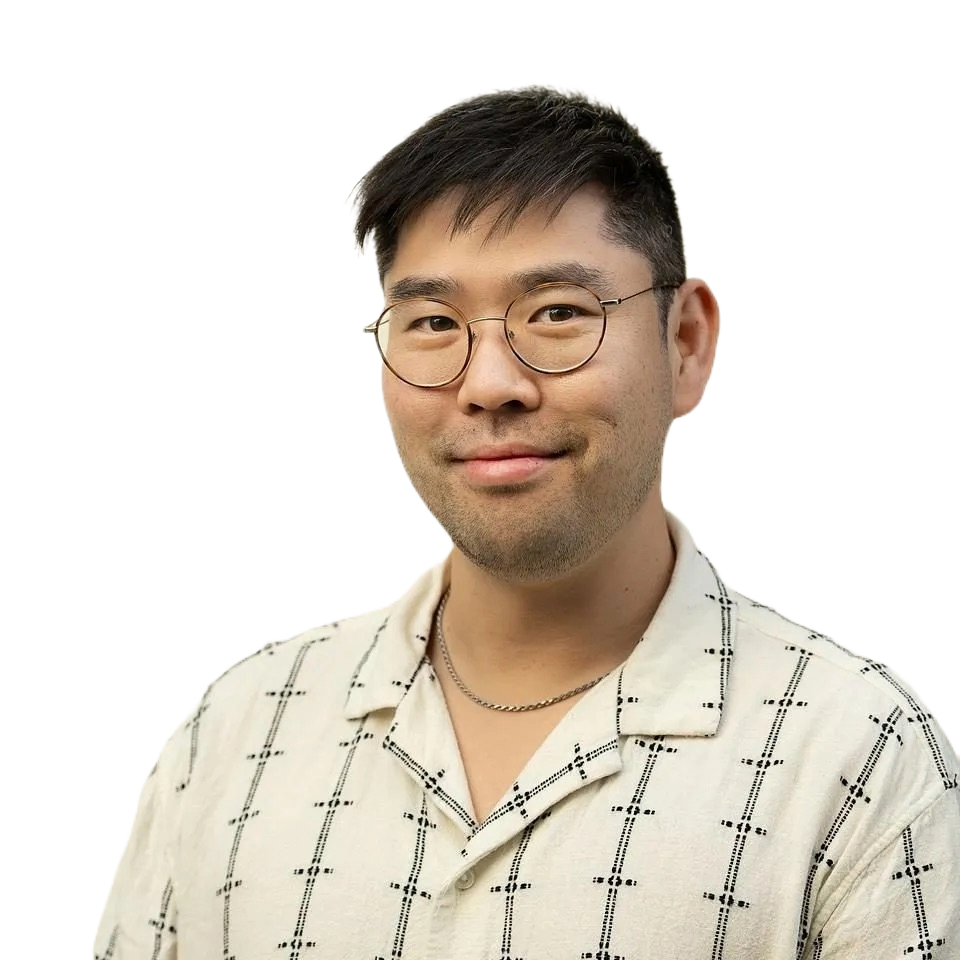
The first of what now will be monthly meetings occurred on Aug. 29, organized by Fillmore resident Emma Dolan. A 32-year-old cancer biologist from West Virginia, Dolan said she was thrilled with the immediate interest in the project: Some 60 people showed up, and Dolan had to go find more chairs to accommodate them. A newer resident of the area (Dolan moved to San Francisco, and the Fillmore neighborhood, in 2023), she has received support from longtime residents, as well as District 5 Supervisor Bilal Mahmood, who has positioned grocery access among his concerns.
The 3.68-acre site of the Fillmore’s last full-service grocery store has been sitting empty since the Safeway that operated there for 40 years closed in February 2025. The company’s decision to pull out of the neighborhood prompted outrage and disappointment from residents who relied on the store’s banking and pharmacy services in addition to its grocery. The company said the lot would be sold to developer Align Real Estate for new housing and commercial space, citing theft and safety concerns as reasons for its closure.
The Fillmore, Japantown, and Western Addition’s food desert widened last week when, on Sept. 11, Lucky grocery store on the corner of Fulton Street and Masonic Boulevard in NoPa abruptly closed. Its parent company, Save Mart, said it was no longer financially viable to operate the store.
“When the Safeway closed, a lot of us who live in the neighborhood had to scatter to the adjacent neighborhoods to get our groceries and now even that closed. So, the situation is becoming even worse,” said Dolan. She said she has heard the idea of a co-op solution swirling around at neighborhood events and, more specifically, this summer at Fillmore Community Action Plan meetings.
At a community meeting called by Mahmood and covered by Mission Local to discuss the store’s closure last year, Fillmore resident Rev. Arnold Townsend said: “I have been in this town for 56 years, and Safeway has been probably the worst community partners you would ever know.”
The Lower Fillmore district was long known as a hub for Black history, culture, and business, but redlining and razing in the name of “redevelopment” pushed many Black families out of the neighborhood. For years, financial resources and government priorities have shifted away from the Lower Fillmore, leaving residents feeling abandoned and without access to essentials.
Community members said they had approached the store to help address some of Safeway’s concerns, including crime and homelessness. Instead, the store did away with its self-checkout lines and blasted classical music to deter loitering in its parking lot before ultimately shuttering.
“One of my big priorities with the project is especially reflecting the racial makeup of the neighborhoods,” said Dolan. “As you know, the Fillmore is a historically and currently Black neighborhood, so I want to make sure that we're doing adequate outreach and having really strong representation and strong leadership from that community in particular. And also, I want really strong Japantown representation from the Japanese-American community as well.”
Grocery Outlet, Smart & Final, and Sprouts Farmers Market had each explored taking over the large space at 1335 Webster St., but all three efforts ultimately collapsed. People involved in this effort claimed that Safeway impeded some of these discussions, per reporting from the San Francisco Standard. The closure of the Safeway, plus smaller stores in his district, has prompted Mahmood to push a ballot measure to tax vacant grocery stores to subsidize new operators.
This list of compounding disappointments is why Dolan sees a cooperative as the best way forward: “How do we stop this revolving door of mega corporations abandoning the neighborhood? A lot of the mega groceries are owned by private equity firms now, so for me, it's about accountability and choosing a model that is accountable to us, the people,” she said.
“I think a cooperative is the best way that we can do that because a cooperative is accountable to its members, as opposed to corporations being accountable to their shareholders or whatever shareholders of the private equity firm that owns them. At that point, you're so far separated from the folks that need to be served by this business.”
Dolan reached out to the area’s longstanding grocery co-ops, such as Other Avenues in the Outer Sunset, Rainbow Grocery Cooperative in the Mission, and Mandela Grocery Cooperative in Oakland, for guidance and advice on getting started. Worker-owners from Other Avenues have been especially supportive, she said; a few have come to the meetings to help answer questions about the durability and functionality of co-ops as a business model.
Grocery cooperatives, while often great additions to the neighborhood, take years to get off the ground; the question of how to satisfy the urgent needs of residents, especially those who are aging, elderly, and disabled, remains. In the meantime, Dolan and her growing coalition plan to meet monthly; the next meeting will be held this upcoming Saturday, Sept. 19, at 4 p.m. at the African American Art & Culture Complex.
“This is going to be, like people say, a marathon and not a sprint,” said Dolan, “but I hope we can run this marathon very quickly.”