


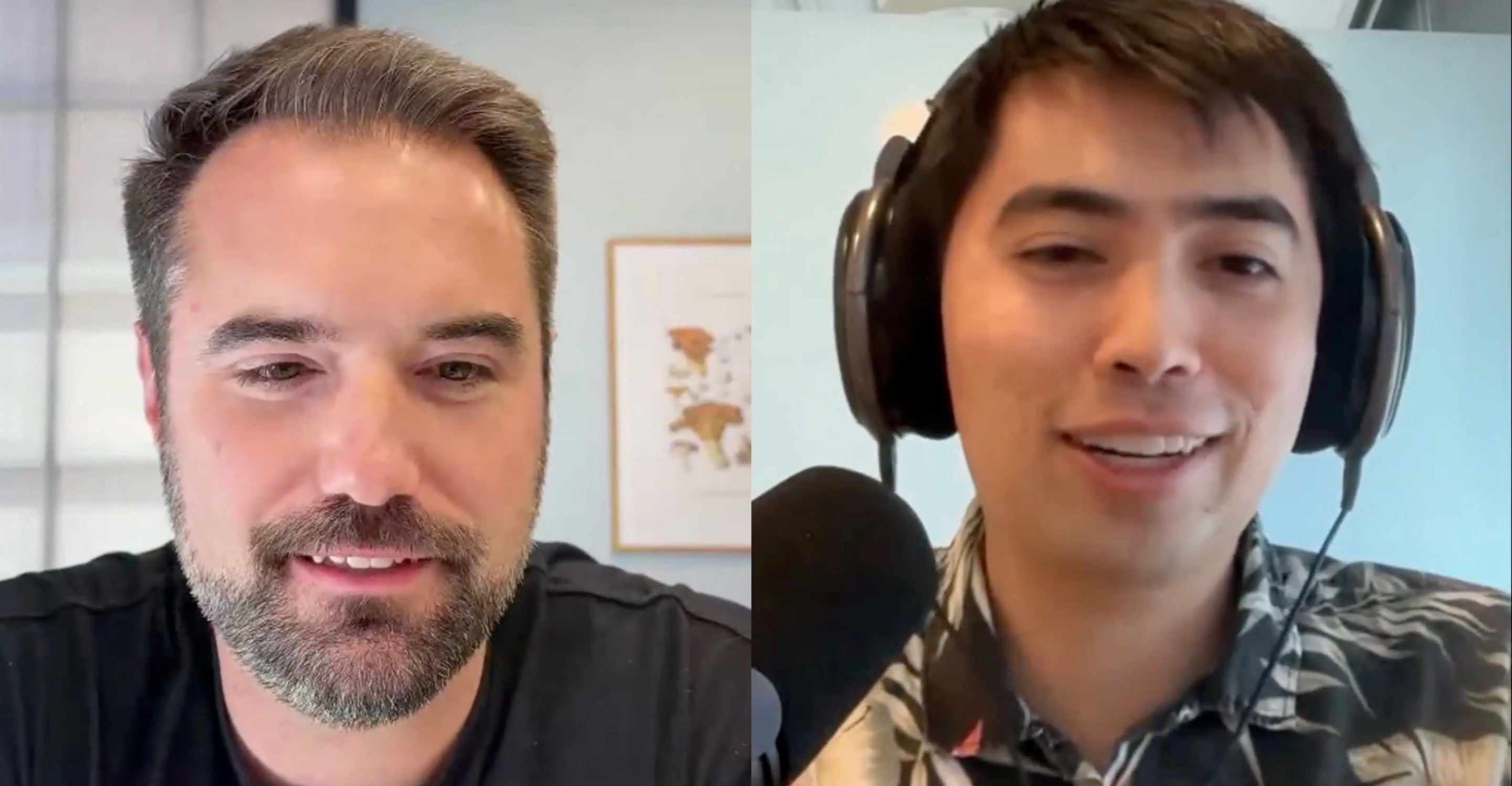

Substack is adding an AI detection feature to its web and app platforms, the company announced today. Users of the newsletter and social platform will be able to “scan notes, replies, comments, and posts” and run it through Pangram, an imperfect but industry-leading AI detection software, to see “how much of it was written by hand or with AI assistance.”
In a post titled “Against Claudefishing,” Substack CEO Chris Best qualified that “not all AI writing is slop,” but the major problem for readers is when there is a “mismatch” in expectations of where the content they’re reading came from. “When readers have to wonder if what they’re reading is real, it undermines trust in authorship and threatens the livelihoods of writers—including those who use AI tools thoughtfully to produce work they believe in,” Best wrote.
Best noted that Pangram can only detect whether the text was created using AI, but not whether AI was used anywhere else in the writing process.
In 2024, Wired reported that some of Substack’s most widely-read newsletters were relying heavily on AI to produce their content, which in some cases earned their writers seven-figure paydays. Since then, critics have accused a litany of Substack newsletters of publishing AI writing. “This will probably rip the website apart,” one commenter posted on X this morning.
The new Pangram feature will only work with content that was published after the feature was publicly announced, meaning older newsletters and posts will remain unverified unless readers want to leave the platform to check for themselves.
Madison Huizinga, a Los Angeles-based writer who pens the popular culture newsletter Cafe Hysteria, told Gazetteer SF the new feature is a “positive development.” She said she hopes it helps teach readers what AI writing looks like.
Huizinga said she thinks she would be able to tell if she came across AI writing in her favorite Substacks, which are mostly personal narratives and culture analyses, even without running it through Pangram.
“I would be shocked and honestly disappointed if that were the case,” she said of potentially discovering AI writing in her regular roster.
Substack is the first major social media platform to integrate this sort of AI detection tool directly into its platform. In his announcement posts on Substack and X, Best specifically called out another brand name site as a cautionary tale of how a once-valuable social media platform can devolve into a feed dominated by bot-on-bot activity: “We’re sick of slop and we don’t want substack to turn into LinkedIn,” Best wrote.
Earlier this month, Max Spero, the CEO and co-founder of Pangram, wrote a blog post that ranked LinkedIn as the most AI-saturated platform, with Pangram flagging 41 percent of the site’s longform content as AI-generated. (Notably, that post includes a short paragraph praising Substack as “an exception” to his findings; only 10 percent of Substack’s longform content was flagged as AI-written.)
“The internet is increasingly filled with AI. I anticipate that any platform that doesn’t prioritize human content will inevitably be filled with AI slop,” Spero told Gazetteer over email. He did not say whether Pangram has plans to partner with other social platforms. Neither company responded to our request for details about the financial terms of the Substack integration in time for publication.