
On an uncharacteristically warm Sunday evening in San Francisco recently, a throng of eventgoers wearing newly purchased SSense finds and tabis sipped wine and snacked liberally off compostable bamboo plates on the sidewalk of Bar Gemini. Inside, people talked over the tables (and one another, it was loud) in packed booths, bartenders pouring glass after glass of cloudy wine as DJs mixed in the corner.
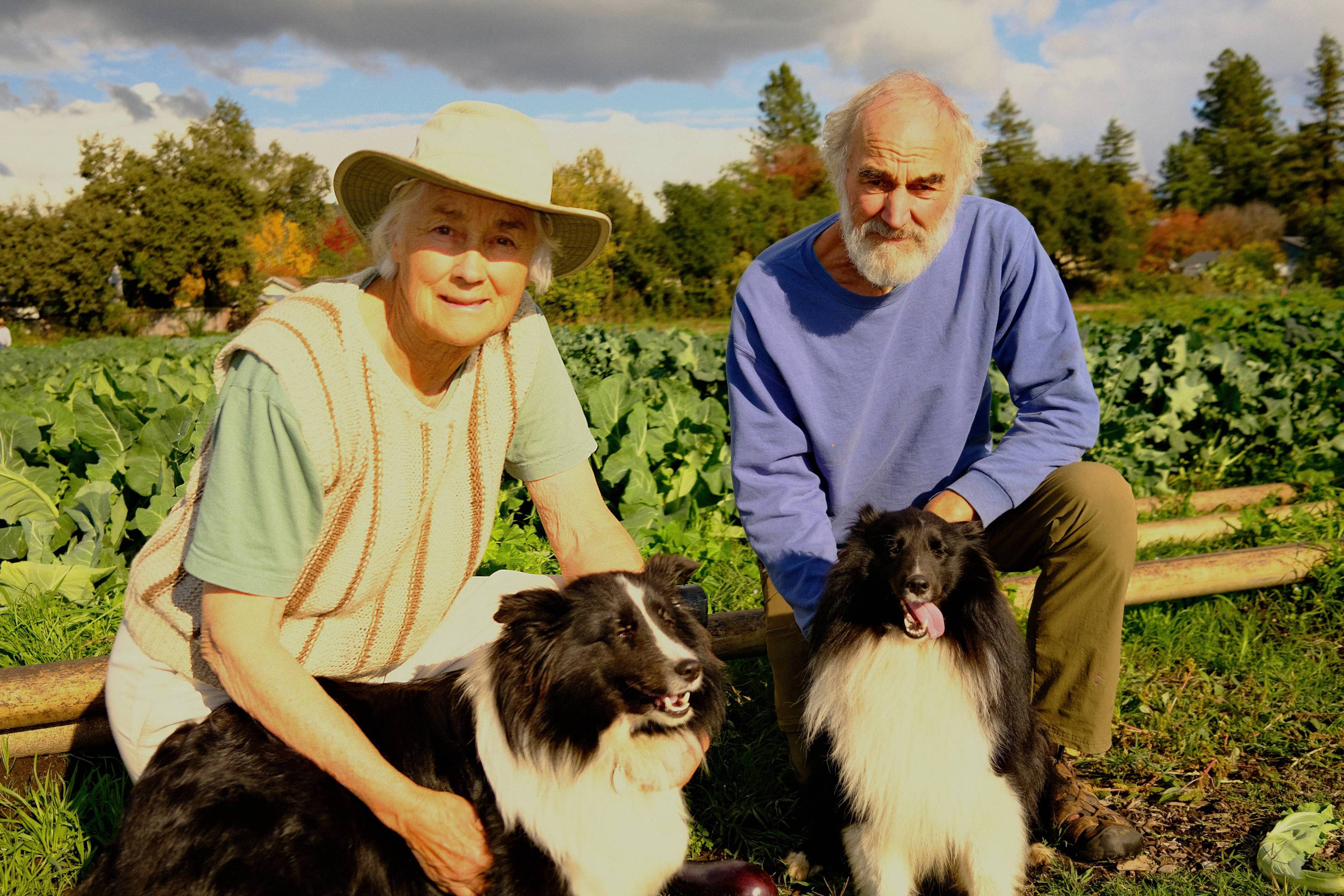
At its center were two gray-haired farmers in light-wash jeans and yellow vintage tees that once belonged to their parents: Lee James, 73, and Wayne James, 70, the sibling owners of the beloved Santa Rosa farm Tierra Vegetables.
The event, planned by Alex Lauritzen of vegan pop-up The Mushroom, was the fourth gathering this fall thrown by locals in the food industry to raise funds for the Jameses’ farm. With a sliding scale entry fee starting at $5, donated wine for purchase from local shops Bar Part Time, Ruby, and Snail Bar, and free donated food from local chefs including Francesca Soo of Fear the Feast and Dexter Fernandez of Rich Table, Lauritzen raised more than $8,000 for the farm fund that night.
The Jameses must raise $455,000 by December 31 or risk losing the land they’ve tended for more than two decades. After working together on and off for years to reach a deal, the looming deadline is the result of the county’s preference to close escrow by year’s end.
The farmers turned to the public, philanthropists, and local businesses to help raise a large chunk of that money. As of publication, roughly 67 percent of their $200,000 goal had been raised on GoFundMe. In addition to the culinary fundraisers, photographer Andrea Vodickova took Christmas portraits at the farm this past Saturday. The Jameses themselves are planning a home-cooked Thanksgiving dinner on the farm to fundraise; all the other events were planned by others in their honor.
The siblings founded Tierra Vegetables in Healdsburg in 1980 and started selling produce at the Santa Rosa Community Farmers’ Market. After farming different plots in Alexander Valley, the Jameses started leasing their current 16.25-acre plot from Sonoma County Agricultural Preservation and Open Space District in 2002. They transformed the once bare, abused land into a thriving sustainable farm recognized by local officials and community members for its commitment to sustainability, including rainwater irrigation, solar power, composting, crop rotation, and collaborative pest management.
The Jameses have become known for their heirloom seed varieties, hearty vegetables, and famous masa. That’s what keeps restaurants such as Lazy Bear and Californios coming back.
“They truly grow the Ferrari of vegetables. You can just taste the time and care that they put in,” said Lauritzen, who got connected with Tierra at the Ferry Plaza Farmers Market. (I held a beet the size of a bowling ball during my visit to the farm.) “If you ever go out to dinner at a nice restaurant and you're, like, blown away by their potatoes, they're probably from Tierra. You can just really taste their effort and their standards in the vegetables.”
Tierra Vegetables produces year-round, and has a large commercial kitchen to process and preserve their produce. Their offerings include sauerkraut, hot sauce, and dried chilis, and, of course, their masa.
They regularly supply produce to some 70 members of their community-supported agriculture (CSA) farm box program, as well as 25 restaurants across the Bay. They also sell every weekend at the Ferry Plaza and operate a farmstand on their property from Thursday to Saturday.
“I think quality, of course, is at the forefront, but I think also, they grow really unique products,” said Geoff Davis, longtime Tierra client and chef-owner of Burdell in Oakland. The Jameses grow some uncommon favorites, including their famous Chantenay carrots, habanada peppers (habanero’s not-so-spicy cousin), and grain corn. “Just the openness to try new things and work with really old varieties that were lost, the variety of cultivars of corn that they grow. No one’s really doing it on that level.”
Davis first got connected with the Jameses while working at a restaurant in Healdsburg more than 15 years ago, and has relied on their produce and masa in various kitchens since. Tierra has grown certain varieties specifically for Burdell, and the restaurant buys the lion’s share of their cornmeal — around 50 pounds per week — “which is really essential to a lot of the things that we do here,” Davis said.
“They mill it to order, and there's really no replacement for that,” Davis said. “The only other source is Anson Mills and that's on the other side of the country. You really can't replace cornmeal that gets milled a day or two before you pick it up and you're using it that day. It's just so aromatic and they grow so many different varieties of corn. It's really special.”
Like a lot of farmers across Sonoma County and the Bay Area, the Jameses are facing rising land and labor costs and mounting competition from commercial farms in the Central Valley and abroad. And in the past few years, there have been natural disasters, fires, and the pandemic, all of which have seriously tightened their margins.
But the Jameses also have a unique situation thanks to the ownership structure of their land. The land they use is controlled under an agricultural covenant known as the California Land Conservation (Williamson) Act, which was passed in 1965 to keep agricultural land productive with the goal of protecting local food supplies and preserving the local farming economy. Under the easement, private landowners contract with counties to voluntarily devote at least 75% of their land to agricultural uses (subject to an occasional 25% reduction to maintain soil health); in return, the parcels’ property taxes are kept at a rate consistent with their actual production as a farm, rather than the potential market value — which on the open market, could be millions of dollars.
Wayne says the valuation of the farm under the easement puts the property taxes just within reach for their business, which now produces all year round with the help of some greenhouses.
“Sonoma County land is expensive,” Lee told me, “and we have to pay the people who work in our fields such that they can live here.”
Land in Sonoma County, according to one estimate, costs roughly $400,000 per acre. At this rate, the property taxes alone can reach dozens of thousands of dollars. The Jameses cannot simply raise their prices to pay this. They try to avoid raising the cost because they need to remain competitive, but also because they truly believe that locally-grown food shouldn’t be a luxury.
While the agricultural covenant will inhibit a big-ticket buyout by a deeper pocketed competitor, they are hoping that the land purchase will allow them to ease into retirement without having to close their farm. “We need to take the value of the land out of the equation,” Wayne told me.
“Traditionally, you own the land, you farm it, and then you sell it to a developer and you retire. That was the pattern, and that's why farms are disappearing,” Wayne said. “Farmers thought, ‘Well, I farmed my whole life. I made no money. I have no savings. I'm going to sell my land for $5 million to a developer and retire.’ But that can't happen.”
As they find themselves thinking about retirement — or at the very least, a break — the Jameses are looking to Burdell’s Davis, their longtime friend, as a successor.
The Jameses have known Davis for over a decade. Davis told me the connection really clicked when he cooked a dish for their 40th anniversary event in 2022 (postponed from 2020), and hosted a pop-up dinner at the farm. They’ve been cross-pollinating ever since. In a couple weeks, Davis is hosting a four-course, family-style benefit dinner for Tierra Vegetables’ land acquisition on Dec. 7th at Burdell.
The transition from the Jameses to Davis will be gradual and is expected to be seamless for clients, given that Davis does not intend to change much about the business as he slowly takes on the farm. The Jameses say they’re excited that Davis shares their same values and goals.
They will still sell their farm boxes and offer produce at farmers markets and to restaurants simultaneously. “I mean, if anything, we're trying to reach more people with fresh heirloom, you know, responsibly grown, sustainably grown produce,” Davis said. Burdell is already a pick-up location for Tierra produce boxes amid the fundraising push, and Davis hopes to continue this program indefinitely.
“We have customers now in their third generation that have been buying from us,” said Wayne. “And we want to continue to support all those people. We want the farm to continue.”