

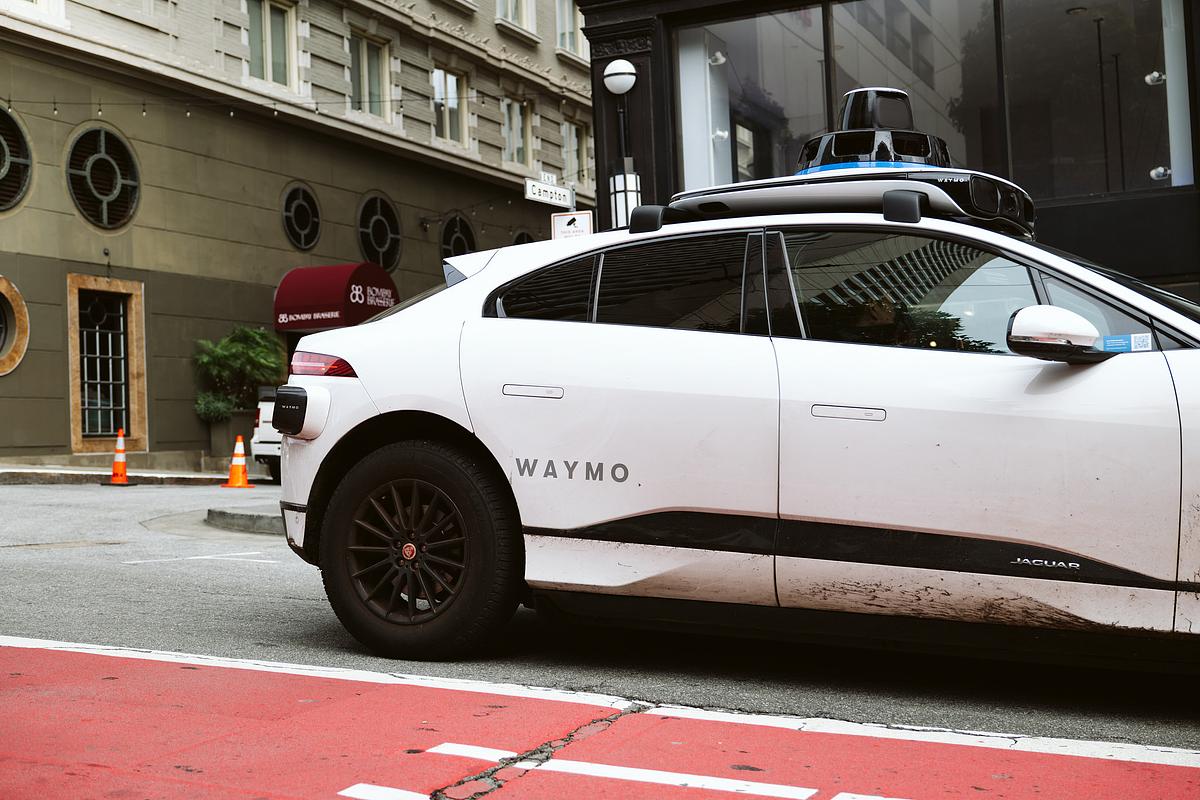

New SFMTA data obtained by Gazetteer SF shows that Waymo vehicles got hit with 4,178 parking tickets in 2025, and is set to blow by that figure in 2026, with 4,131 infractions through July 19. On average, Waymo has received more than 106 parking tickets a week in that time period.
This is a major rise in infractions since 2024, coinciding with a surge in overall Waymo usage in San Francisco. Waymo received 589 parking tickets in 2024 with a total fine of $65,065, according to a 2025 Washington Post analysis.
That dollar amount looks paltry today: From January 2025 through July 17 this year, Waymo racked up $957,008 in fines.
Waymo operates more than 1,200 vehicles in the San Francisco Bay Area, according to the company. The figure for the broader Bay Area was at more than 800 vehicles a year ago, according to data reviewed by the San Francisco Examiner in August 2025. Waymo is now set to significantly expand its services in the Bay Area after getting approval from state regulators last month.
The SFMTA data between January 2025 and July 2026 shows that the most common infraction for Waymos in the city, with 2,038 tickets, was “parking in stands,” aka taking up a space intended for a specific type of vehicle such as a tour bus. The other top infractions were parking in a prohibited space, obstructing traffic, double parking, and blocking bike lanes.
The single most frequent location for a parking ticket was 85 North Point St. — a block away from Pier 39 at Fisherman’s Wharf — where Waymos were cited 577 times. Coincidentally, the second-most common address (with 369 citations) was just two blocks away at 150 Beach St., outside a parking garage. Waymos also got hit with 288 tickets on Drumm Street, a 1,300-foot stretch in the Financial District adjacent to Embarcadero Plaza.
Waymo spokesperson Chris Bonelli told Gazetteer in an email that the company pays parking tickets “like any other driver” and works with SFMTA’s “Fleet Program” to manage its citations.
“The program offers consolidated invoices for efficient payment, but does not allow for the protest of any citations from participants,” Bonelli wrote. “Additionally, the Waymo Driver continues to learn from every mile traveled, and we are continuously working to improve our performance, including with regard to parking locations, and we are in regular contact with local agencies in the cities where we operate.”
Whether or not that means Waymo will prioritize fixing improper parking in its operation is a different story, said Phil Koopman, an AV safety expert and professor emeritus at Carnegie Mellon University. Koopman is critical of Waymo’s lack of operational transparency and believes the company’s claims that its vehicles save lives belies the problem of other unsafe and illegal Waymo behaviors.
“The amount of money for a ticket is nothing to Waymo. So jumping through the hoops to assess a fine will not change their behavior,” Koopman told Gazetteer.
In theory, the state now has more power to regulate Waymo’s driving, thanks to new regulations adopted on July 1 that allow California law enforcement officials to issue “notices of noncompliance” to robotaxi companies for moving violations; previously, only parking enforcement was allowed.
The infractions will be tracked by the California Department of Motor Vehicles, and the state has the right to suspend or revoke a company’s driverless car permit if there are repeated or serious noncompliance problems. Unlike human drivers, Waymo does not have to pay fines for moving violations, Koopman said.
“I have a hard time believing any plausible number of notices of non-compliance are going to cause Waymo’s permit to be revoked,” Koopman said. “It’s a step in the right direction, but I don’t think this step does very much on a practical basis.”
Editor's note: The story has been updated with information from Waymo about the size of its San Francisco Bay Area fleet.