
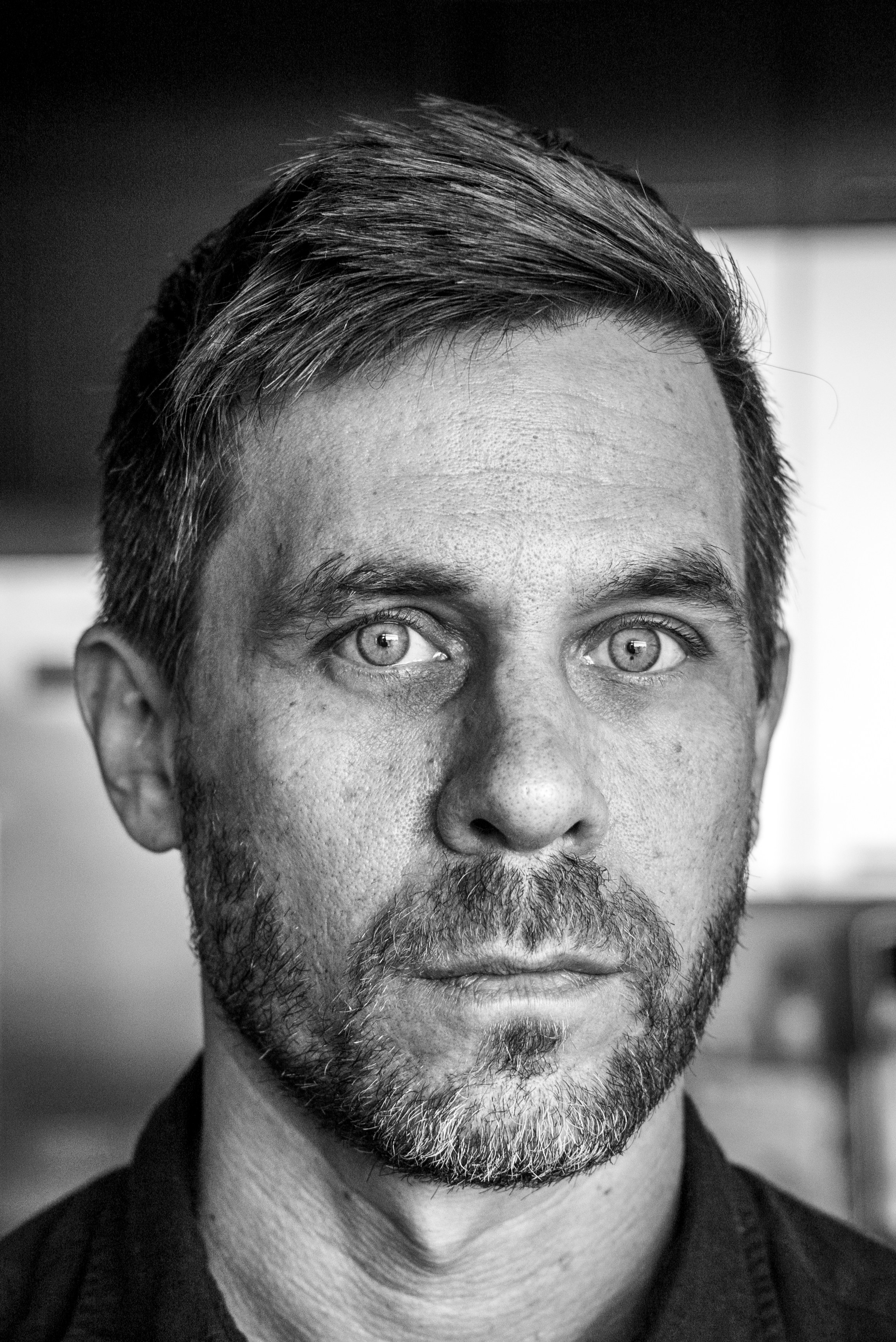


Strange things keep happening in Ben Ehrenreich’s Hold Still: A woman gives birth to a rock; a child sings “Happy Birthday” to her toes; a magpie asks a man “Why do you walk when you could fly?” Powerful weather — wind, storms, “blinding snow,” and rain that lasts for days — add to the dreamlike quality of the stories which don’t fall into any identifiable genre.
Released last week by City Lights Publishers, Hold Still is a collection of short (some as short as one sentence) stories written by Ehrenreich in the weeks and months following the death of his mother, Barbara Ehrenreich, whose progressive journalism and essays galvanized readers for decades. A feeling of loss pervades Hold Still; while reading it, I found myself thinking of another City Lights book, Allen Ginsberg’s Kaddish, which the poet had dedicated to the memory of his mother Naomi.
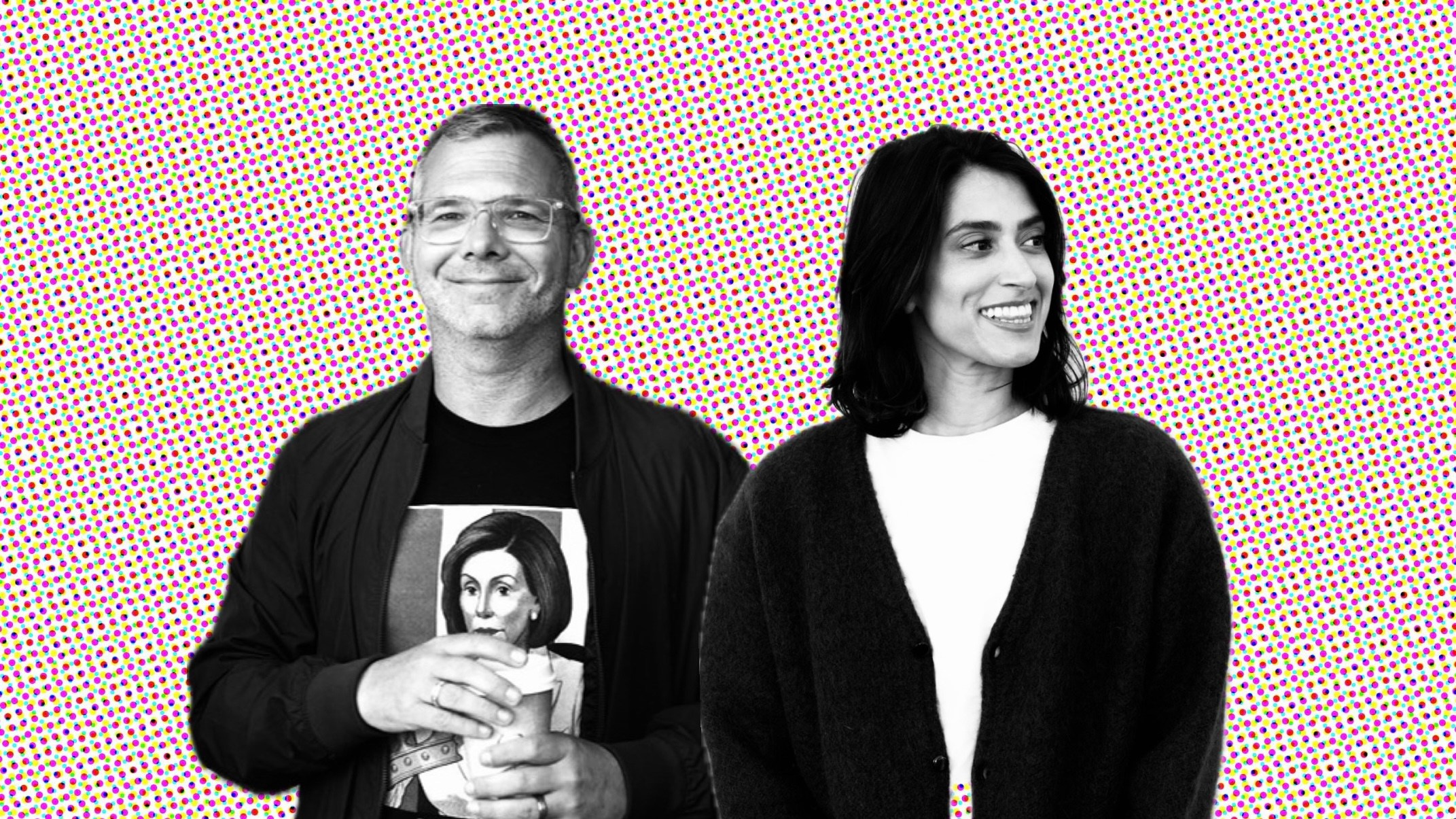
Ehrenreich will be appearing at City Lights on Thursday, Oct. 22 at 7.p.m, with Daniel Gumbiner, editor of The Believer.
This interview has been edited for length and clarity.
Hold Still is a very unusual book. I don’t know that I’ve read anything quite like the stories in it.
Yeah, it’s not a book that I expected to become a book. I started writing them in the months after my mother died in the fall of 2022 just as a way to hold it together and sort of give myself something to focus on and provide some rhythm to the days and maybe force myself to grapple with stuff that otherwise might be too easy to repress or not deal with. I wrote them and didn’t look at them. I didn’t edit them. I wrote them on my phone and then later on entered them into one big Word file. It was only a couple years later that I opened that file again and looked at it and started messing around with it and thought maybe I could do something with this.
Some of them feel like children’s stories or fables; some are so short they’re practically haikus. How did you manage to make them feel cohesive? There is a tone that’s consistent throughout.
The tone was there. The trick was in trying to make them move, trying to give them some kind of rhythm, to be aware of what notes I was hitting and trying to make sure that I didn’t hit the same note too many times.
Which ones were the easiest to write for you?
Oh god, I don’t know if any of them were easy to write. The ones that are more like fables, kind of spilled out more smoothly, but they didn’t always want to spill out. Some days they came easily, some days it was kind of torture getting one out.
How old was your kid while you were working on it?
It was the month leading up to her second or third birthday. When I first started looking at these again, long before I thought ‘I’m going to make a book of this,’ I thought, ‘Well, it would actually be really cool if I can show this at least to my daughter one day.’ And she’s probably not going to remember most of this. She’s probably barely going to remember her grandmother.
Your mom was so beloved. I wonder if you felt like your work was in conversation with her work.
Yeah, we spoke pretty much daily. We were in more or less constant dialogue about our writing.
It’s a family business, I guess.
Yeah. A weird one. I’m still to some degree in conversation with her in the things I’m working on.
What is the world missing without Barbara Ehrenreich in it?
Oh, I don’t know. I know what I’m missing but I don’t know what the world is missing. It’s a funny thing when you lose someone who also had a very public life. That public life had so little to do with the person I knew. I was certainly aware of it, but she obviously meant something different to me than she did to her readers. So I’ll let her readers and you and anyone else who wants to try to answer that question.
I would say that we have a lot of people who are critics of the current administration and technology and capitalism and they’re great. There’s bestsellers right now from Naomi Klein and Gil Durán, but I think what Barbara brought to her work was a sense of joy and a sense of hope. I think that’s missing. I want that.
Yeah, I think that’s right. She was also an unapologetic socialist at a time when that was a dirty word in the United States. As much as she engaged very pragmatically with the world and political landscape in which she lived, the dreams that animated her were radical dreams. And the root of the rage which pushed her was the injustice and indignity that she saw in the world. The joy came in part from an understanding of radical possibility and how different things could be, which she never lost even as bad as things got. The trajectory of her life as a writer was not one of things improving. It was of things getting steadily worse.
Yeah, but as you’re speaking, I’m thinking that even in this bleak time we’re living in, there are these shots of hope. There’s Zohran Mamdani in New York, and there’s hopefully this blue wave that’s coming. A voice like hers is really missed in that stuff, the good stuff.
She would have loved Mamdani. She would have had such a huge crush on Mamdani.
Don’t we all?
Yeah. Oh, well.
Tell me about taking this book on the road. Are you worried about reading this to people and the feelings that it might bring up for you?
Uh, yeah. I’m not doing a ton. I’m doing an event in San Francisco and an event in LA, both of which are pretty forgiving towns for me. I’m sure I’ll have a lot of friends in the audience, so I’m not terribly worried, but it’s certainly a different feeling than I’ve had with other books because it is so personal.
Speaking about the personal aspect of writing, I have to ask about AI. What is your feeling about it?
Oh, I am an absolute luddite, not in the crude sense of that word but in the historical. The original Luddites were workers who were not just smashing machines but who understood that these machines were tools of exploitation that were going to make their lives measurably and materially worse.
And, you know, so far I suppose a lot of students have more time to party and a lot of people don’t have to labor over writing boring emails but the major impacts of AI have been its role in the genocide in Gaza. And it’s hard not to remember the reason why these AI companies are so wildly overvalued is because of the promise they’re making to the market to get rid of a huge amount of jobs. The fact that it’s creating issues of authorship in the literary world, to me, is less important and less interesting than its broader impact and I haven’t seen much of a bright side yet.