



If I asked you to close your eyes and imagine a garden, what would you see?
Do you think of the lush green foliage, or the strong scent of a summer bloom? Maybe you aren’t quite sure what to imagine just yet, which is very much OK.
In my mind, a garden is any place that you can cultivate or create, something that reflects a person’s needs and wants. There are the gardens of reality, the places where we plant, grow, and cultivate living plants; and there are metaphorical gardens, places of quiet contemplation, self growth, and personal space.
For me, those physical and metaphorical gardens have for many years been one in the same. I’ve had the extreme privilege of farming and gardening across San Francisco for my work and pleasure.
Through the act of learning how to grow and cultivate plants as foods, medicines, natural dyes, for pure enjoyment, and community, I’ve learned to cultivate my metaphorical garden as well. Gardening is full of successes and failures, ups and downs, and it teaches us vital life lessons. To me, working with plants is one of our more exuberant human experiences — and it’s one everyone should participate in in some way.
So, where do we start?
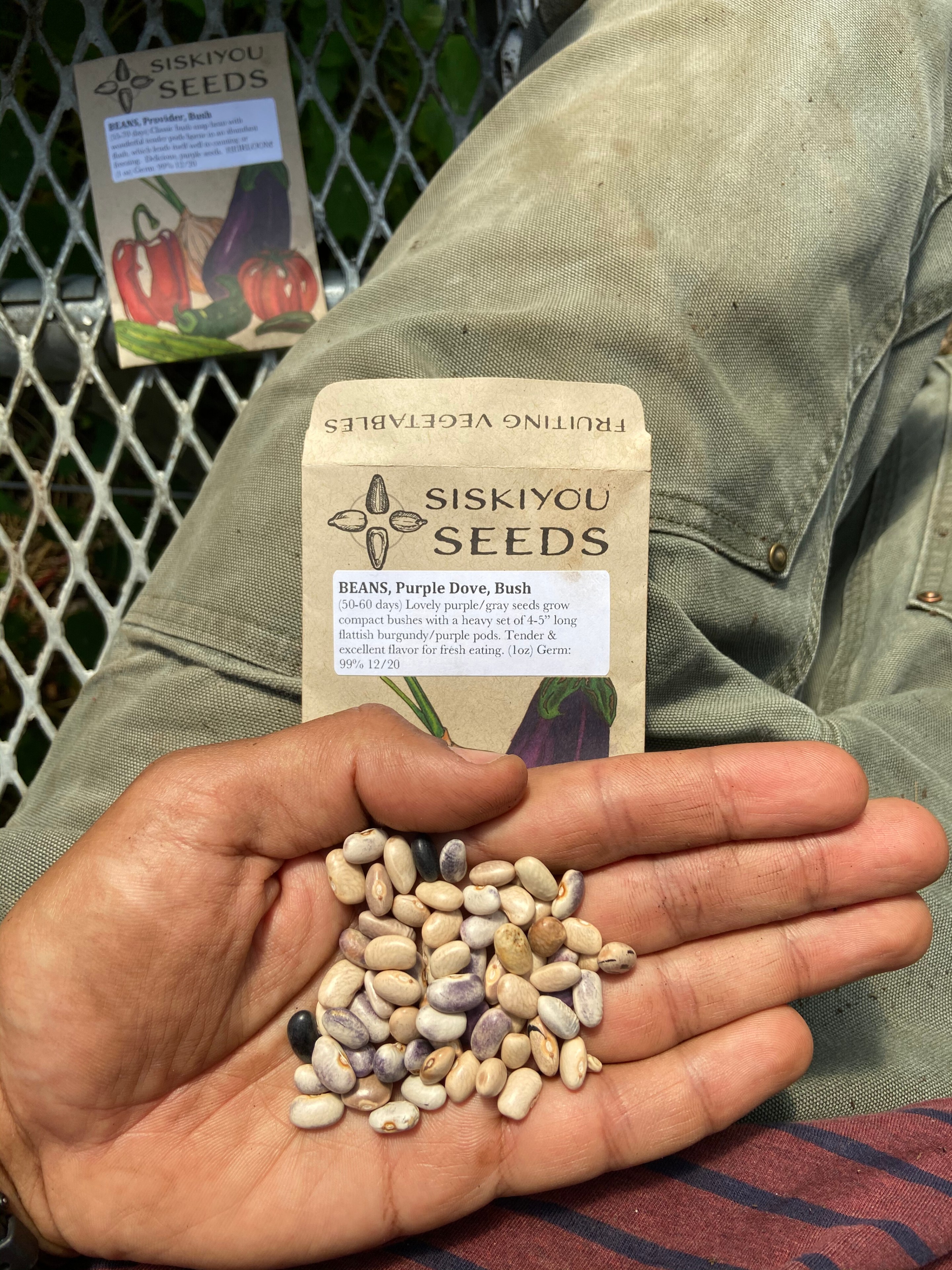
There’s no better place to start with than the seed. In my lifetime I have planted thousands of seeds, and as I’ve pressed each one into the soil, the seed and I make an agreement: “If I plant you, and take care of you, will you take care of me?”
Not every seed grows, but that too is one of life’s lessons. Yet the beautiful thing about seeds is their potential for abundance — each one carries with it the sense of the infinite.
If you want to grow plants, go out and buy a few seeds. Big or small, the seeds we plant are full of potential. Plant your favorite herbs and watch as they grow. Soon, their leaves will add flavor to your life. Start there.
Q. What can I grow now that will be ready in a few months?
For San Francisco that question unfortunately isn’t as straight forward as it may seem.
Due to various factors like the hills, paved over waterways, buildings, and our location on the peninsula, San Francisco experiences something called “microclimates,” which essentially means that every location — even between you and your neighbor’s backyards — could have an ever so slightly different growing environment. On a larger scale, it means parts of the city are more or less suitable for some plants, but that doesn’t mean you shouldn’t try!
To keep it simple, plants need three main things to survive: sunlight, water, and a growing medium, usually soil. A sunny location that gets at least 6 or more hours of sunlight should be enough to grow most types of commonly used herbs and vegetables. If you’re using an indoor space, try for an area that receives as much sunlight as possible, and is away from strong heat sources such as a heater or radiator. In terms of what you can grow, I would start with some of the classics. My favorites include basil, beets, chives and green onions, cilantro, lettuce, kale, radishes, and swiss chard.
Late winter/early spring isn’t the time to start heat-loving plants like tomatoes, peppers, or squash. However, if you live in one of the city’s warmer, sunnier locations such as the bayside neighborhoods, you can start those closer to the last half of March.
Find a vessel that will hold soil, but will also allow water to drain through it. (This includes plastic or ceramic pots, upcycled plastic containers with holes, anything that’s safe for human consumption.) When looking for soil, look for things that are specific for herbs and vegetables, and as organic or natural as financially feasible. Avoid soils that boast “slow release fertilizers,” as they can contain forever chemicals and petroleum-based products.
Find seeds from a reputable source in-person or online and follow the instructions. Be patient. Take pictures and notes to monitor progress and use them as reference for next season.
To build an even stronger connection to gardening, I have a suggestion: Do some research and find where your family comes from and look for herbs or vegetables that relate to that region or culture. As you grow spring herbs and vegetables, grow your family plants.
This process will help remind you that our forbearers maintained cultures, traditions, and wisdom through the cultivation of plants.
Have a gardening-related question for Thomas? Email info@gazetteer.co with the subject line “City Roots” or text your question to (415) 787-6570. Please include your name so that we can reach back out to you.