
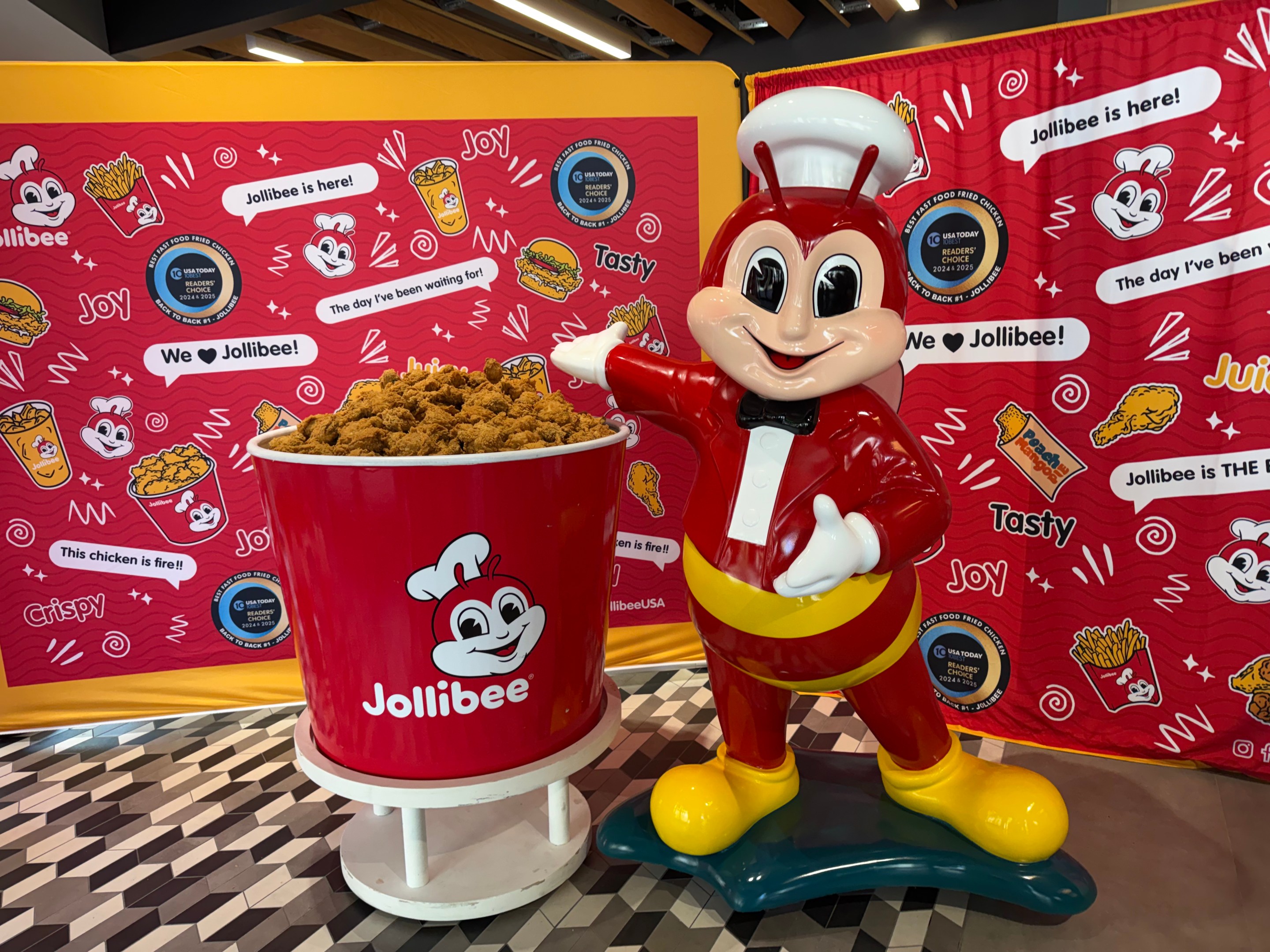
You’ll probably be surprised to hear, as I was, that even higher-ups at Jollibee didn’t know when the long-delayed location in downtown San Francisco would open until a couple of months ago.
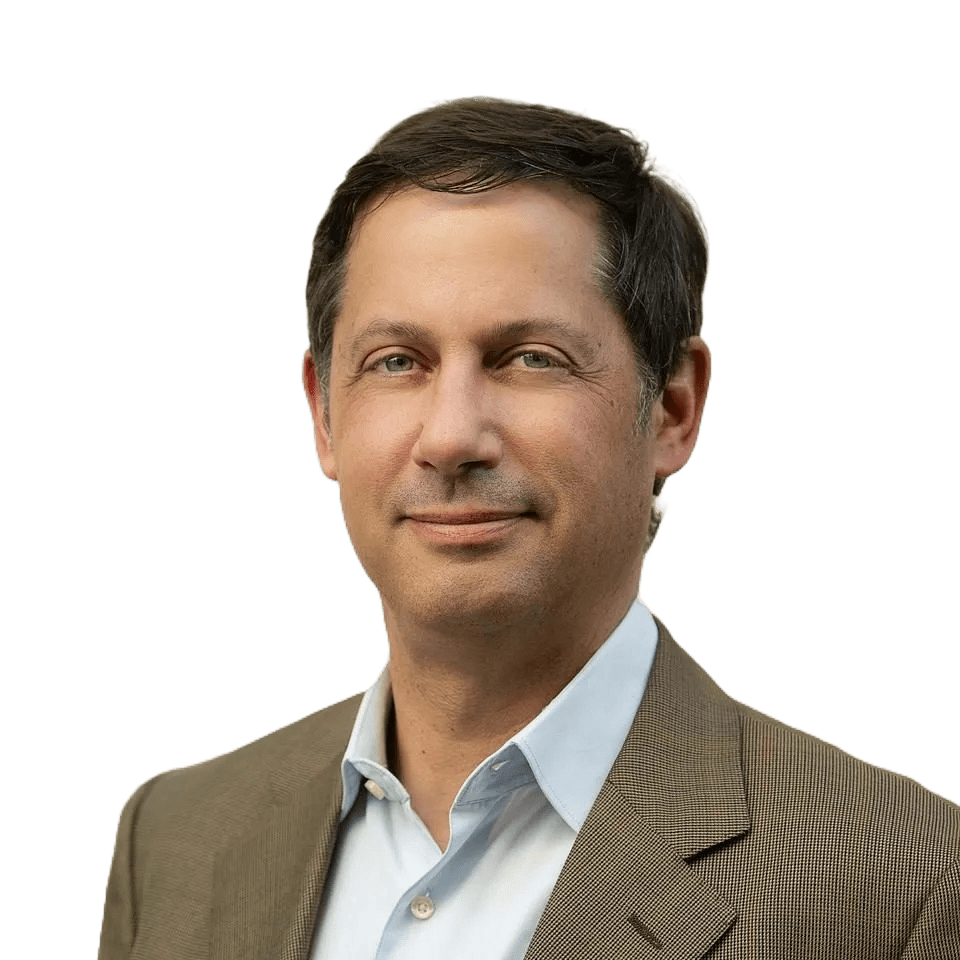
According to Luis Velasco, senior vice president of marketing at Jollibee, it was early June when “we were more or less sure that we were going to complete all the requirements.” From then on, it was a mad dash to the official grand opening today. As Velasco put it, “Sunod-sunod na lahat.” Everything came, one after the other.
Velasco and I chatted in Tag-lish, a mix of Tagalog and English, about the lead-up to Jollibee finally, finally opening.
“We never really knew, ‘Oh, did we make it? Did we pass it? Is there another requirement that we need to fulfill? Parang ganun. [It was like that.] We were excited and energized about it. We were also managing our own expectations. We weren't sure.”
Velasco believes that the last two permits the Jollibee needed were permits with the city’s health and fire departments. Those only got those approved at the end of May, he said.
On Thursday, Mayor Daniel Lurie cut the ceremonial ribbon, thus ending the wait and this column.
Velasco was, admittedly, a little surprised at the degree of anticipation for the opening, both from the general public and the San Francisco news corps. (I would like to think that we frothed a little bit of that excitement ourselves.) During our conversation, at least three dozen people peered in through the windows; at least one person entered, believing that the store was already open, and had to be escorted out.
The excitement for this location wasn’t even the most Velasco has seen in his time at Jollibee.
“We've seen campouts where people literally put up tents,” he said. He recalled being at the 2019 opening in Calgary, Canada’s seventh location at the time, and meeting a man who had waited on line for three days. He ended up getting a bucket of Chickenjoy, the chain’s fried chicken.
I asked Velasco about the chain’s loyal Filipino fans who come to the chain out of nostalgia or a connection to their homeland. That is the core audience, he said, but as Jollibee expands, it has to cater to a broader, not-exclusively-Filipino clientele. That’s part of the reason they were confident in opening a location in San Francisco, where the population is only 5 percent Filipino.
That is also the reason, ironically enough, that familiar menu items (like pancit palabok, a noodle dish with a shrimp-pork sauce and perhaps my favorite thing they sell) are not on the downtown menu, where it caters to as broad a population as possible.
“We streamline the menu in the beginning so we can serve as many people,” Velasco said.
As the hype around this opening slows down, the downtown Jollibee may bring back Palabok and other items missing from the menu. So that’s something to look forward to.