


This is our Friday newsletter. Sign up to get it straight into your inbox.
They say you never forget your first. For journalists, that usually means their first correction.
Mine came early in my career, back when I was an intern for New York Magazine and was allowed to byline a chart about the new NYPD uniforms in the October 16, 1995 issue. In retrospect, it was too information-dense a piece for such a newbie: my editor probably shouldn’t have let me tackle it right out of the gate but then, I was such a persistent little know-it-all, that some of the staff called me “Doogie” behind my back.
And so, my first byline in New York was quickly followed by my first correction. The thrill of seeing my name on a tiny item in the magazine my parents had been reading for as long as I could remember was greatly diminished by the even tinier correction that ran on the letters page two weeks later.
For much of the next three decades, I was obsessed with errors — mine, and those of others. While I lived in fear of making more (don’t worry, I made plenty), I, like any jealous, hard-hearted young writer, delighted in spotting them in a ‘there but for the grace of copy editors go I’ kind of way.
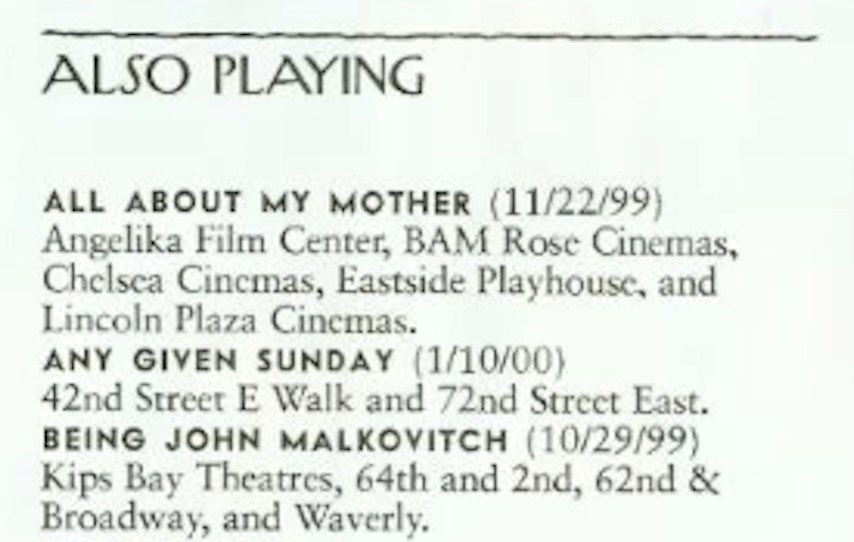
Before blogs and social media empowered readers to share and shame errors for clout, it was something of an amateur’s game. At the turn of the millenium, a punctilious pal mailed me a page torn out of the February 21 & 28, 2000 New Yorker in which John Malkovich’s name was misspelled in one of the Goings On About Town listings.
That those listings sprawled 16 pages in a 75th anniversary double issue that was 200 pages (!) and featured new work by Joan Didion, Janet Malcolm, John Lahr, Susan Orlean, Jon Lee Anderson, Woody Allen, Alice Munro, and John Updike somehow hasn’t stuck in my memory as much as that itsy-bitsy typo of “Malkovitch” on page 66. Here was proof that my friend and my favorite magazine (“Probably the best magazine that ever was” according to its TV ads) wasn’t perfect! That we both dreamed of working there one day only made The New Yorker’s fallibility more piquant: maybe there was a spot at the Round Table for a couple of chumps like us.
I thought about ‘John Malkovitch’ this week when I spotted a cluster of corrections amended to the web version of a recent New Yorker story by Nicholas Lemann. The corrections were about the tax status of The San Francisco Standard, the net worth of Garry Tan, and a few other facts in Lemann’s epic 7,000+ word report on California’s fraught Proposition 40. Rather than feel the old impulse to mock these blunders and shame The New Yorker’s legendarily precise fact checkers, I was actually kind of happy to see them — and not in a schadenfreude way.
Making errors and clearly correcting them, I’ve come to realize, is what makes a writer human. AI may be able to mimic some aspects of human writing, but it often hallucinates with total authority as it does so. As a pattern-seeking word generator devoid of morality, AI lacks what it takes to own up to its own mistakes, namely authorship.
Writers hate making errors, but we suck it up when we’re corrected by undermining colleagues, snarky social media users, irate subjects, or readers who claim to be “just trying to help.” There should be no shame in fixing one’s errors. Clearly and honestly acknowledging mistakes is a way of acknowledging our humanity, on the page and off.
We try. We fail. We always try harder next time.
Rather than regret the error, we should see it as an instance of wabi-sabi, proof that a human made this and that humans are imperfect. Of course, we should strive to keep errors out of our work, but when they happen, we should accept them, correct them, and move on.
Or, as another editor of mine once told me after another error: focus on the next play.
ONLY ON GAZETTEER SF
- STRANGE ATTRACTOR: Joel Rosenblatt on Elizabeth Holmes.
- THE POWER BAKER: Olivia Peluso interviews author Andrew Coe.
- STORY TIME: Matt Haber talks with Ben Ehrenreich.
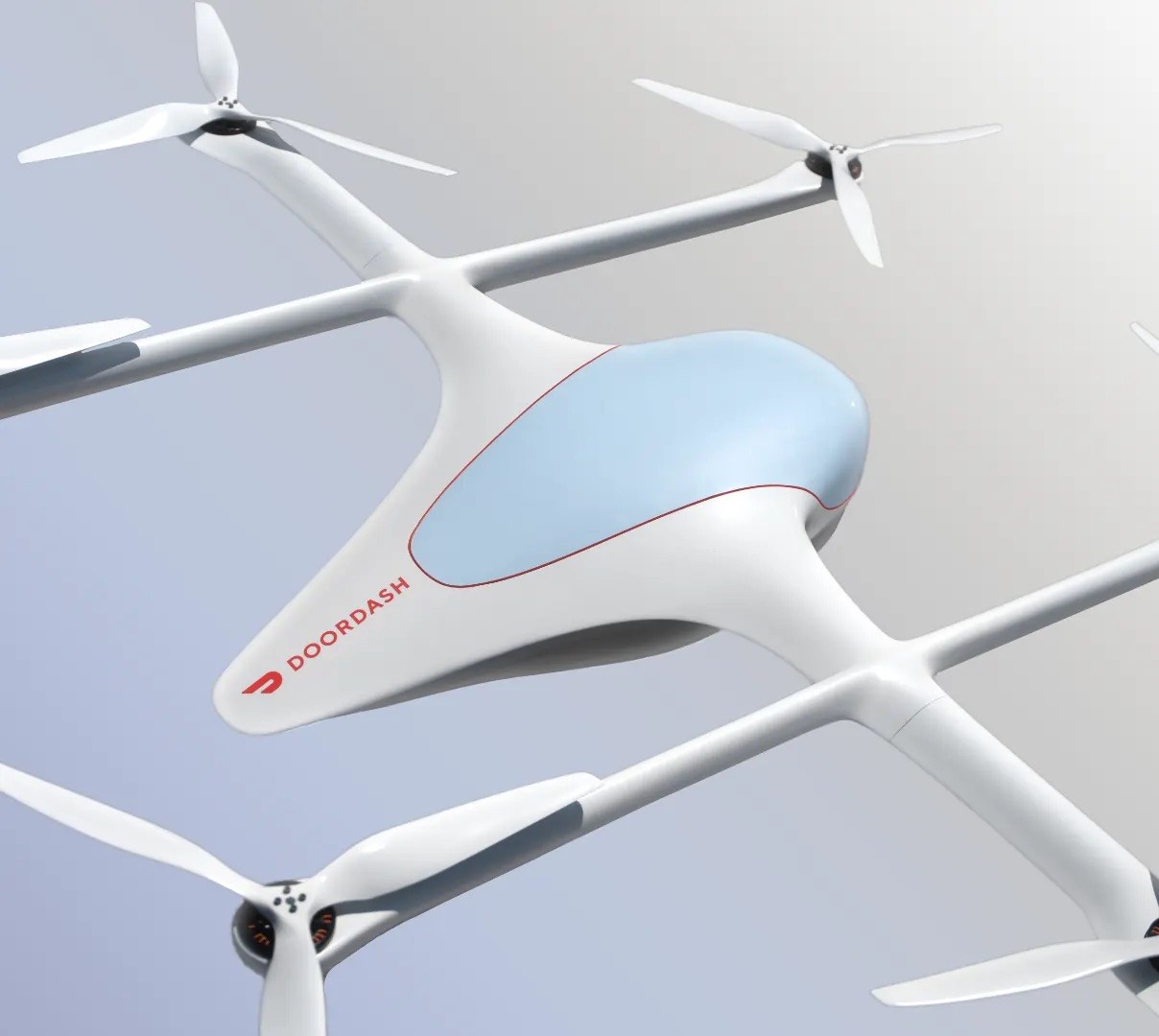
- UP AND EAT ‘EM: Are Doordash drones really coming any time soon?
- POLITICAL PROP: How the mayor distorts Prop I.
- JOY TO THE WORLD: A Civic Joy Fund prank and other Manic happenings.
SEND US YOUR TIPS
Just a reminder: Your tips can go a long way at Gazetteer HQ. Got a good scoop? A fun bit of tea to spill? A nugget of gossip you’re dying to share? Send it our way. We can assure anonymity.
DISPATCHES FROM THE FOG
- THIEL OF THE TAPE: Now we know what the Anti-Christ Lectures were like. (The Verge)
- SO, A HUGE TARGET: Goodbye, dead mall; hello, data center? (San Francisco Chronicle)
- AND WE GET TO KEEP OUR 140 CHARACTERS: Why Elon Musk may want a flying car. (Slate)
- PLEASE GIVE: Nifty data visualization of the city’s election money. (Mission Local)
- THE WAR COMES HOME: Undercover ICE agent pulls gun on man in SOMA. (San Francisco Standard)