

While the normies were resting, I was mainlining tech discourse all weekend to bring you the latest trends, rumors, fights, and innovations from the sweatiest corners of the internet. This week: The top five takeaways from the Super Bowl’s barrage of AI ads.
This is Manic Monday.
AI won Super Bowl LX
Only about a fifth of the ads that premiered during yesterday’s Big Game featured AI, but they had an outsized impact on American attention. Some spots promoted AI products, others used it to generate the ads themselves, but nearly all of them inspired heated chatter because that is a Super Bowl ad’s only job. That and looking extremely cringe when you watch them a couple of years later. (Looking at you, Matt Damon, crypto spokesman.)
The money is in vibe coding
This year, OpenAI benched its star player ChatGPT and subbed in Codex, its agentic coding tool, for its 60-second Super Bowl spot. What does it mean? That OpenAI thinks the money is not in consumer chatbots, but in enterprise solutions; it also spells danger for the entire B2B SaaS industry.
Anthropic vs. OpenAI vs. Humanity: Who will win?
Codex, of course, has competition. For coders, AI investors, and people on X who care about coders and AI investors, Anthropic’s Claude Code is the vibe coding tool to beat. Anthropic is also pulling ahead in the who’s-more-morally-upright race (not so difficult given OpenAI’s sexy chatbots and alleged suicide-helpers). Its own Super Bowl ads called out OpenAI for putting ads into ChatGPT, successfully baiting Sam Altman and other OpenAI execs into giving the ads more attention online, which only served to make them look more nervous about the instability of their business.
But to the average American viewer, this all still reads like an SF billboard to out-of-towners. Viewers were rightly confused and annoyed: According to a survey from ad measurement company iSpot, the Anthropic ad’s “likeability score placed it in the bottom 3% compared with Super Bowl ads over the past five years,” Adweek reported today. Three percent likeability: that’s positively presidential.
AI agents are (still) standing by
B2B software aside, AI companies seem unsure about how to sell the technology into the masses. AI.com tried its absolute darndest, though, running an extremely vague 30-second ad urging viewers to reserve an @handle for themselves and their AI agent. What exactly is this for, and why does the sign-up flow ask for credit card details? A press release from Friday explained that it was a new venture from Kris Marszalek, the man behind Crypto.com (whose 2022 Super Bowl ad aired just months before Bitcoin crashed, FTX collapsed, and Crypto.com laid off significant portions of its workforce). But other than that, the details are murky. But hey, Marszalek was moving fast and breaking things — the site crashed soon after the ad aired.
Most people are still creeped out by AI
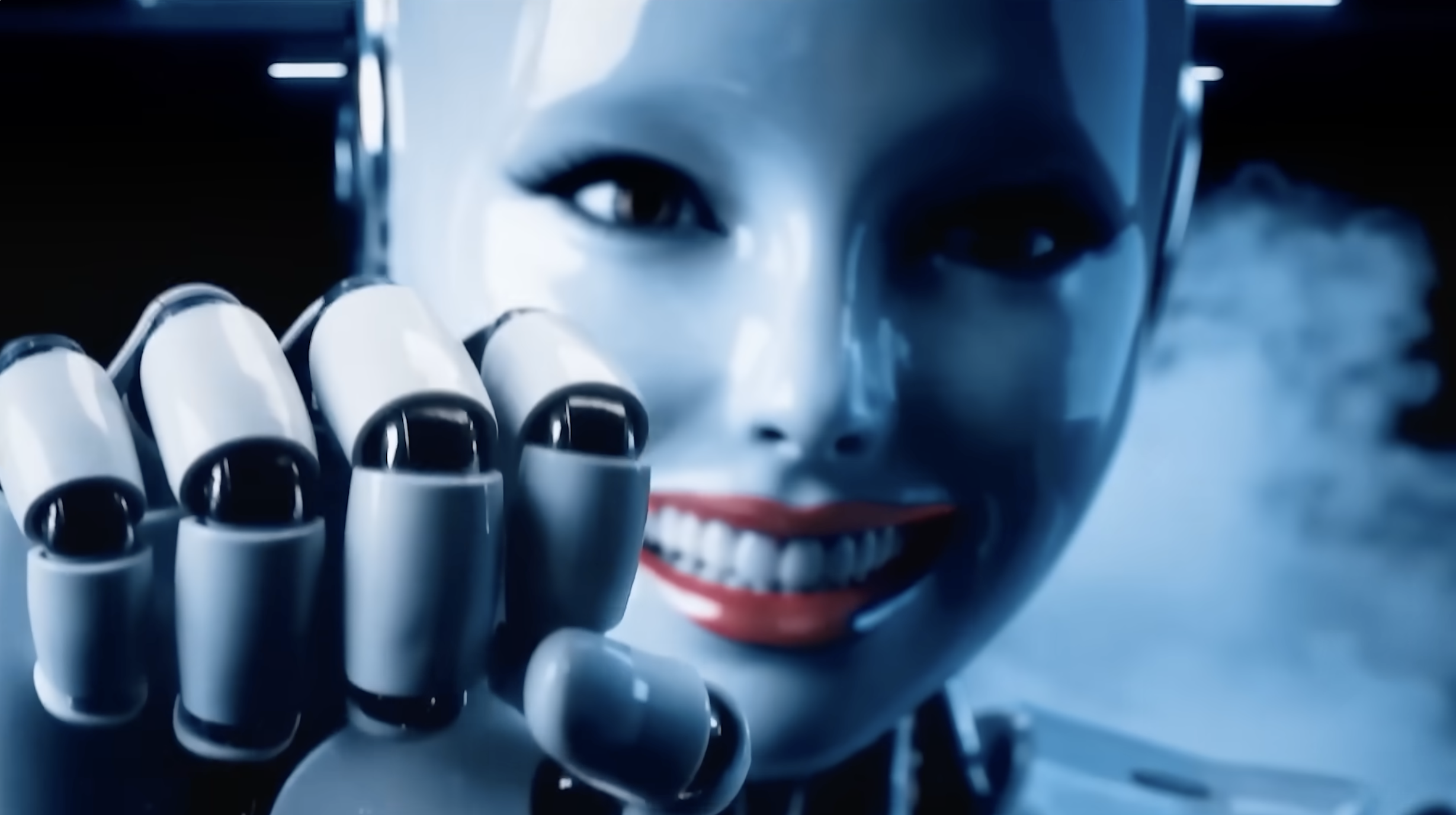
My main takeaway from the Slopper Bowl was that if you take one step out of the brain-rotted world of AI evangelists (so, X, and the rationalist group houses of Hayes Valley), the average person’s reaction to AI is fear, confusion, and worst of all, indifference. Even the least knowledgeable consumer is catching that the industry has a dark vibe. In Amazon’s promo for Alexa+, for example, the company seems to assume that mortal fear is the most relatable reaction to the prospect of an AI assistant in your house. Judging by the reactions to the ads that weren’t selling AI products but used AI behind the scenes, they were right to do so: Svedka’s sexy robot mascots were a “jumpscare”; Dunkin’s parade of de-aged celebrities made viewers “extremely uncomfortable” and “sick.” These companies didn’t need to pay up to $10 million to learn that. Talk to literally anyone outside of The Arena.
The week ahead: Will the backlash-to-the-backlash (to the, um, backlash) finally make it kinda awesome that so many VCs, founders, and journalists are in the Jeffrey Epstein emails?
Editor’s Note: This story has been updated to clarify that Crypto.com had a rough patch after the 2022 Super Bowl but is currently thriving.