
While the normies were resting, I was mainlining tech discourse all weekend to bring you the latest trends, rumors, fights, and innovations from the sweatiest corners of the internet. This week: College grads in Florida hate AI, marketers are going all in on top secret visuals, and the Canvas hack exposes the personal data of millions of students.
This is Manic Monday.
Can you read the room? Or did you outsource that to your chatbot too?
The graduating class at the University of Central Florida erupted in boos last weekend after their commencement speaker started talking about AI. Evidently, the kids graduating into what the New York Times called “the grimmest job markets in years” took issue with their speaker, an obscure businesswoman named Gloria Caulfield, calling AI “very exciting” and “the next Industrial Revolution.” Footage of the incident has been circulating social media with many people pointing to it as a sort of canary in the coal mine for what the masses outside of the psychotic AI circlejerk think about the brave new world being foisted upon them. What struck me most about the video is how the students cheered when Caulfield mentioned how AI wasn’t something we thought about just a few years ago. When college students are collectively more nostalgic for the past than excited for the future, maybe it’s time to rethink some things.
As if American students didn’t have enough to worry about
As students across the country head into finals season, Canvas, a classroom management platform used by more than 8,000 universities and K-12 schools nationwide, was hit with a major cyberattack last Thursday, leaving more than 30 million students and teachers without access to education materials and their personal data at risk. A ransomware group called ShinyHunters took credit for the hack, which 404Media reported is now considered the “biggest student data privacy disaster in history.” Canvas is now back online, and its parent company Infrastructure has been quiet on the incident so far, but the hack highlights the danger of centralizing student data and classroom infrastructure on just one or two platforms.
Roswellcore has landed
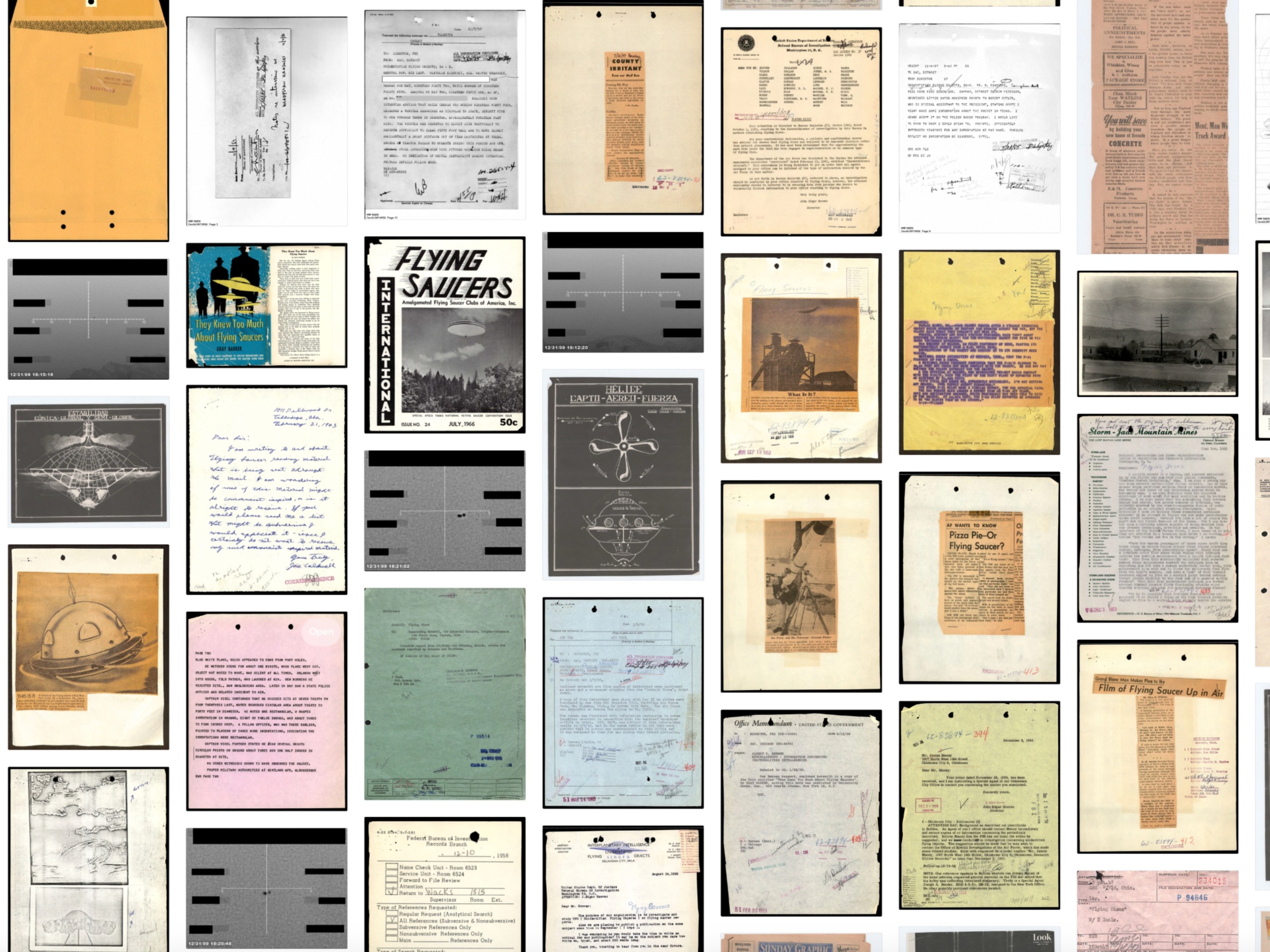
Designers in tech are going crazy for the tranche of newly declassified UFO files featuring secret communiqués, government stamps, blueprints, fuzzy images of industrial objects overlaid with surveillance crosshairs released by the Department of War (fka the Department of Defense). One Shopify designer called the files “a layout and texture goldmine.” Given similar developments like defense contractor Palantir’s streetwear line and “human verification” startup World’s collaborations with clothing brands, the aestheticization of government secrets, surveillance, and military logistics appears to be a larger marketing trend within the fashion and lifestyle industries.
The rich get richer
The Wall Street Journal reported yesterday that hundreds of OpenAI employees collectively cashed out $6.6 billion in company shares last October, with around 75 of those employees cashing out the maximum allowance of $30 million. This is why the housing market has felt so squeezed for the past six months, some San Franciscans are positing. If that leaves you feeling a little depressed about the future of liveability here, perhaps you can take comfort in this one VC’s dubious cost breakdown that shows how even those newly-minted multimillionaires — after taxes, a $3-4 million home, a $50,000 Tesla, and other necessities — will still be “SF brokie.” Relatable!
Hot job opportunity for struggling journalists!
The AI data labeling startup Mercor recently posted a new contract for some of the thousands of journalists laid off this year: For $60 to $80 an hour, sell your hard-won editorial skills to train AI models to do journalism. Don’t worry about the collapse of truth and democracy. Gotta get that bag somehow! Plus, I hear really good things about working there.
The week ahead: This Thursday at Birba, your Hinge date reveals he’s been ballmaxxing. So... should we call a Waymo to your place?