
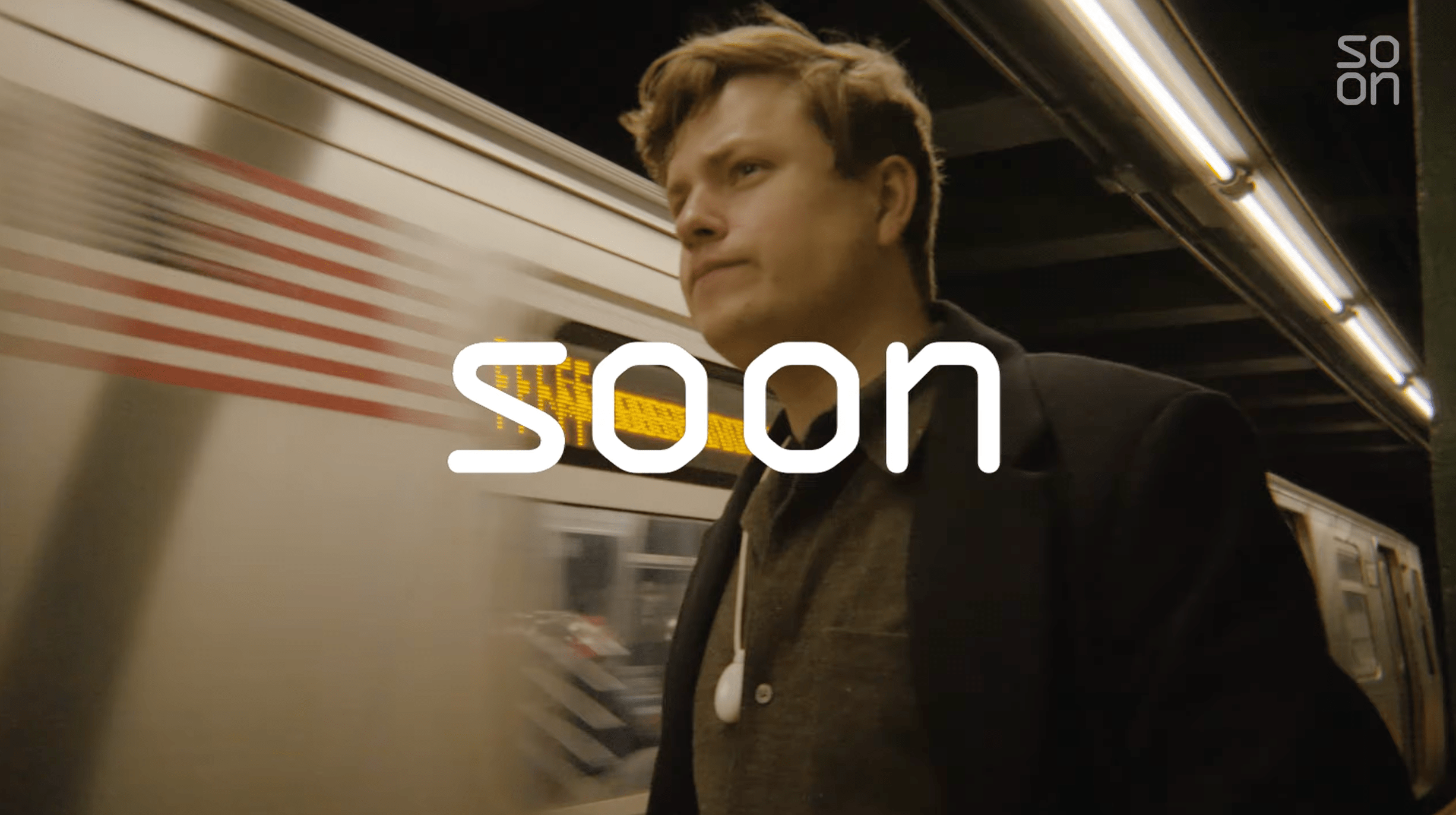
In the first video released by Soon Technology, a new San Francisco-based media company, Dagsen Love makes sure to tell the viewer that what they’re about to see is very exclusive.
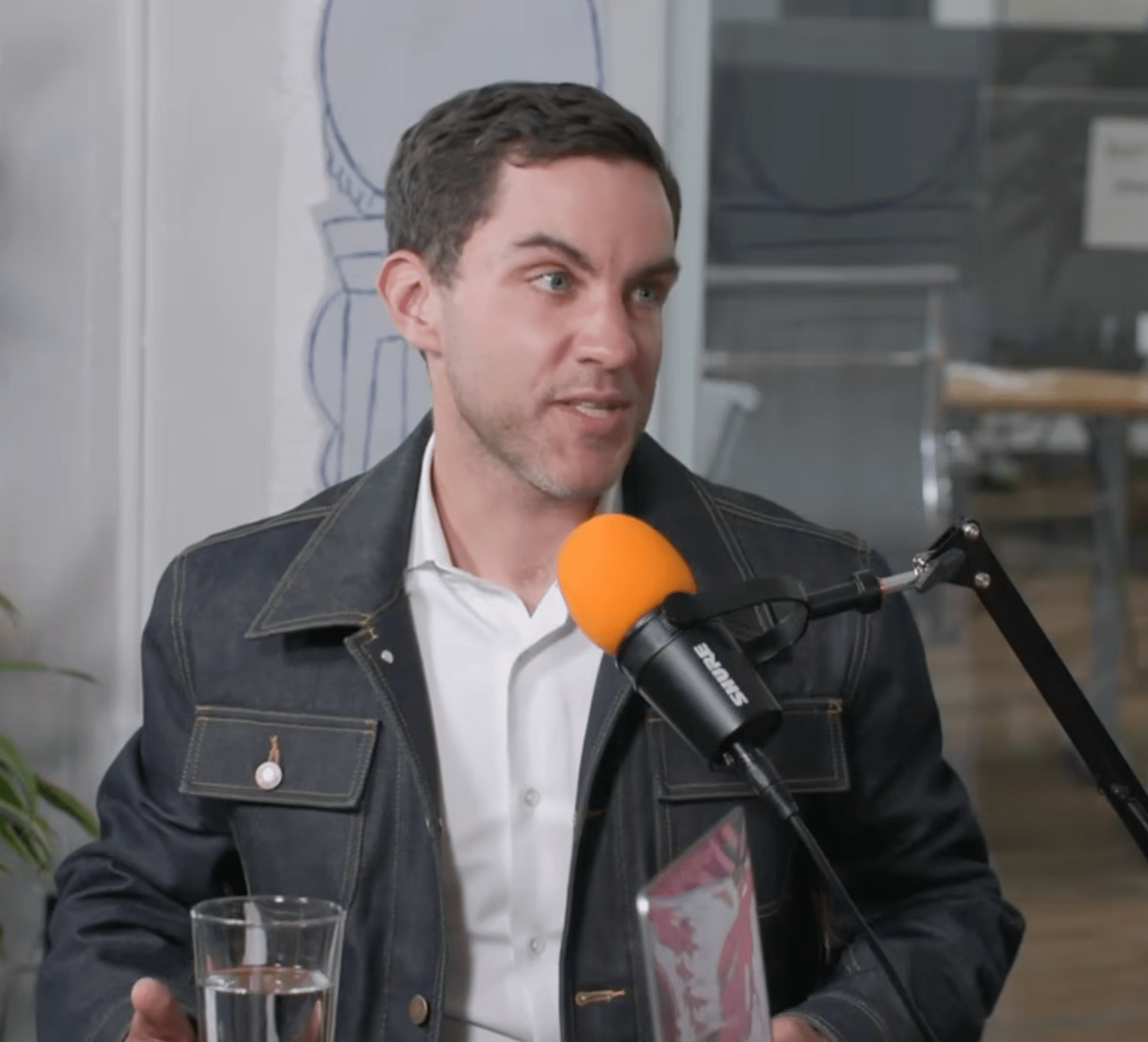
“I’ve been invited to take a look at Rainmaker, a buzzy weather modification company,” Love, a pale 20-something with sleepy blue eyes, says in a voiceover. He drops the right words to imply this report is cutting-edge and in-the-know: buzzy, invited. To drive home how exclusive the content truly is, Rainmaker’s cigarette-smoking, cross necklace-wearing, young founder, Augustus Doricko, smirks and says, “You will be, I think, the first media team out there.”
Access to insider scoops is the primary idea behind Soon, which produces documentary-style videos and short-form content about AI startups and subcultures. It’s the latest addition to San Francisco’s ecosystem of tech-friendly film studios, publications, and social media projects quietly supplanting the traditional tech media landscape.
Soon and other high-production advertorial operations have taken to calling themselves “new media,” a term that has crept into the tech lexicon thanks to Andreessen Horowitz and its New Media fellowship, an eight-week training intensive currenly underway, molding young creatives into useful tech marketers. The anodyne moniker has, in large part, become a shibboleth for content about tech people, by tech people, that masquerades as art or journalism. Even outside of Andreessen Horowitz, many “new media” projects are funded, and at times entirely owned, by venture capital. (A caveat: The term new media predates many of these projects by decades, and was once synonymous with anything published on the web but, by repetition and SEO, has been co-opted.)
A core content strategy of “new media” is to hire the kind of people known to doomscrollers as “Twitter famous.” These microinfluencers are fluent in incel parlance and writing quips designed to harvest engagement online. Love, one of Soon’s hosts, fits this bill: He’s been a DJ, a fashion model, a collaborator on several fringe creative projects with funding from crypto companies. During the pandemic, he flitted around the anti-woke art scene of literary strivers and meme account owners on New York City’s Lower East Side known as Dimes Square.
In comparison, Soon takes on a more approachable attitude. Its visual and emotional tone is bright and whimsical, like BuzzFeed for the AI era. Love’s co-host, Zeke Spector, is a film guy with Midwestern appeal. On camera, the two speak in squeaky, rolling registers. In short-form vertical videos, they banter on chunky pink and red corded phones. Perhaps this folksy aesthetic will help put a friendly face on AI technology, which the average American still finds threatening. But if they do, who will reap the benefits?
So far, Soon’s funding is mostly undisclosed. CEO Patrick McGuire, a producer and content strategist who worked for almost a decade at Vice Media in the 2010s, named one investor in a LinkedIn post: Eoghan McCabe, the CEO and co-founder of customer service software Intercom. McGuire also named marketers at OpenAI and Lyft in Soon’s list of advisors and behind-the-scenes collaborators.
On Jan. 29, a coterie of startup people, AI hypemen, and internet microcelebrities gathered in the Marina Theater for a private viewing party of Soon’s first full-length films, which are each about 15 minutes long. Indie sleaze nostalgia dealer The Cobra Snake was hired to photograph the small fête, attended by the likes of shitposter Daniel Francis, Substacker and centrist pundit Noah Smith, local “tech jester” and recent OpenAI hire Riley Walz, and Avi Schiffman, the founder of the most reviled device to come out of the AI world, Friend.
No local journalists or mainstream media, it appears, were invited. McGuire also declined Gazetteer SF’s request for an interview last week, saying that the team is “totally inundated at the moment.” (He did not specify whether this meant inundated with media inquiries, investor meetings, or a busy production schedule.)
So far, the Soon team has only let other “new media” enterprises drive the public narrative about the company. The day after the party at the Marina Theater, McGuire did an interview with writer-influencer Emily Sundberg for her hugely popular business gossip newsletter, Feed Me. (Sundberg, a frequent guest on the pro-tech, round-table livestream show TBPN, another “new media” heavy hitter, was also in San Francisco that week to host a scene-y subscriber party at Bar Part Time and do a friendly profile for the San Francisco Standard.)
In the Q&A with Feed Me, McGuire does not purport to be doing journalism. “We eventually want to be one of the biggest tech channels out there, filling the gap of generally positive, aesthetically interesting, educational entertainment,” McGuire told Sundberg. He neither hides nor explicitly discloses obvious friendships between Soon’s hosts and their sources: The launch party photos include a shot of Schiffman, the subject of Soon’s video about Friend, kissing Love on the cheek. In “new media,” cronyism is a feature, not a bug.
McGuire, who spent the last three years at Red Bull in a role called Global Head of Factual Entertainment, told Sundberg he had never worked in tech before moving to San Francisco in July. Now, he’s all in.
“I’ve been really struck by the idea of being a ‘missionary,’” he said, “which you hear from a lot of top AI researchers.”