
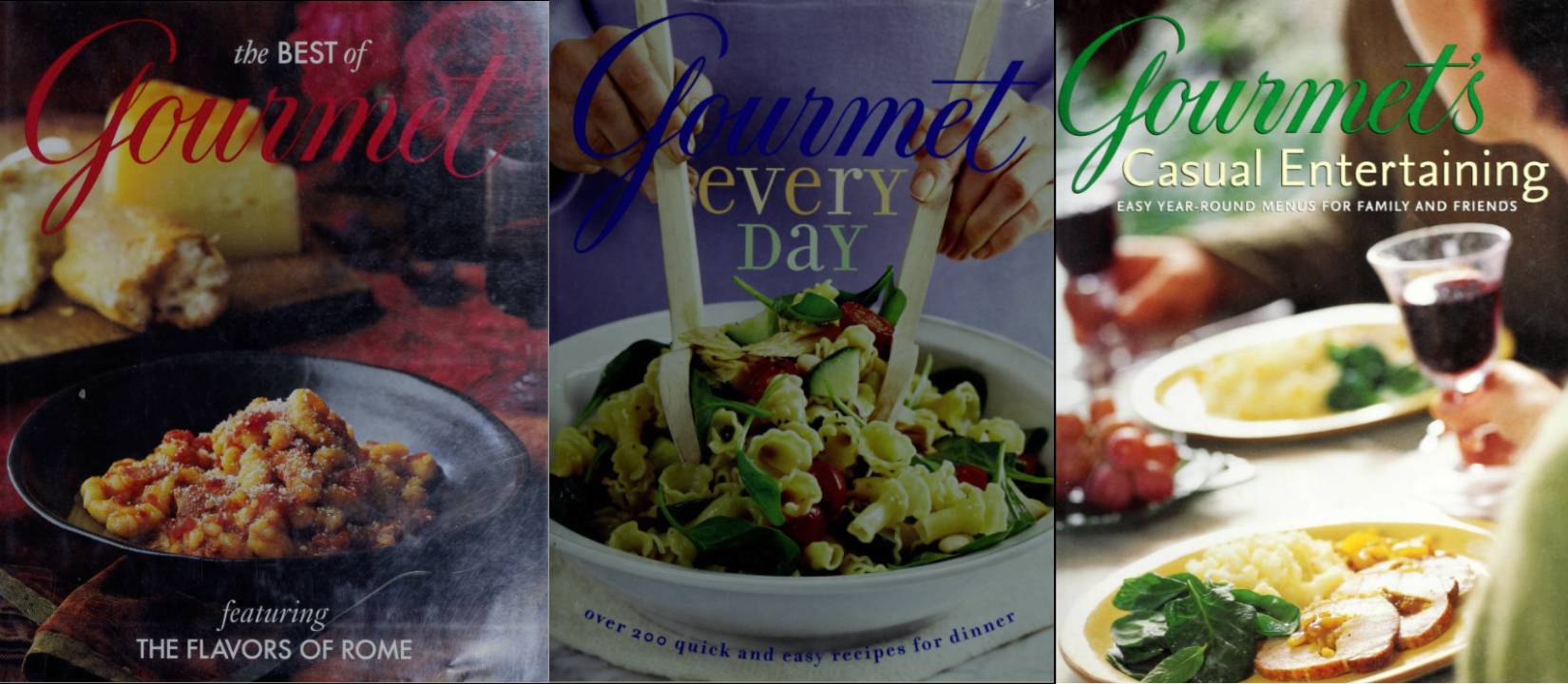
On Tuesday, five millennial media professionals whose careers have been largely defined by sales, hostile takeovers, billionaire interference, mass layoffs, clickbait, and generalized enshitification launched a biweekly culinary newsletter under the domain of one of the food world’s most devastating casualties: Gourmet Magazine.
Gourmet, which published its first issue in 1941, was above all things a lifestyle magazine that put food at the center of good living. The magazine shuttered in 2009, but its parent company, Condé Nast, kept renewing the trademark until recently when it let it lapse.
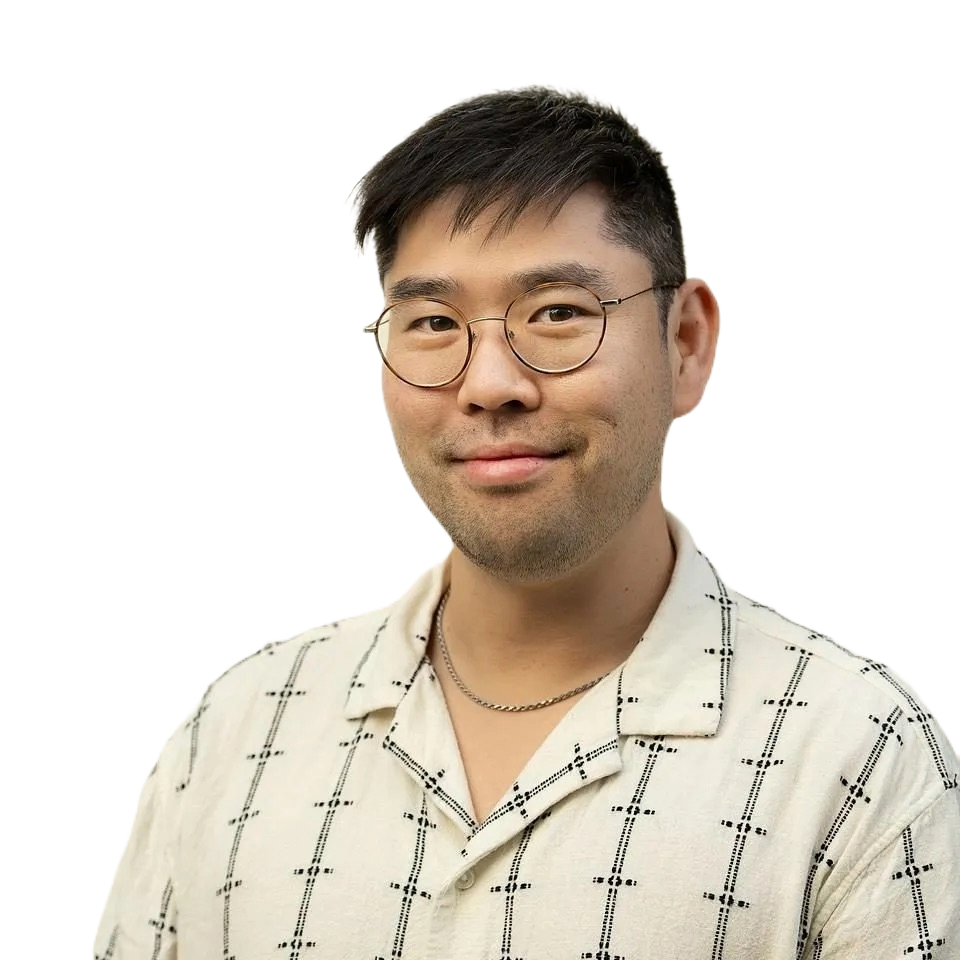
Into that lapse flew Sam Dean, Nozlee Samadzadeh, Amiel Stanek, Alex Tatusian, and Cale Weissman, who snapped up the domain and relaunched Gourmet sans blessing of the magazine’s former corporate keeper. The group decided to run Gourmet as a worker-owned coop, inspired in part by a new wave of worker-owned media organizations such as the Bay Area’s Coyote Media, 404 Media in the UK, New York’s Hellgate, and national sites like Defector and Flaming Hydra.
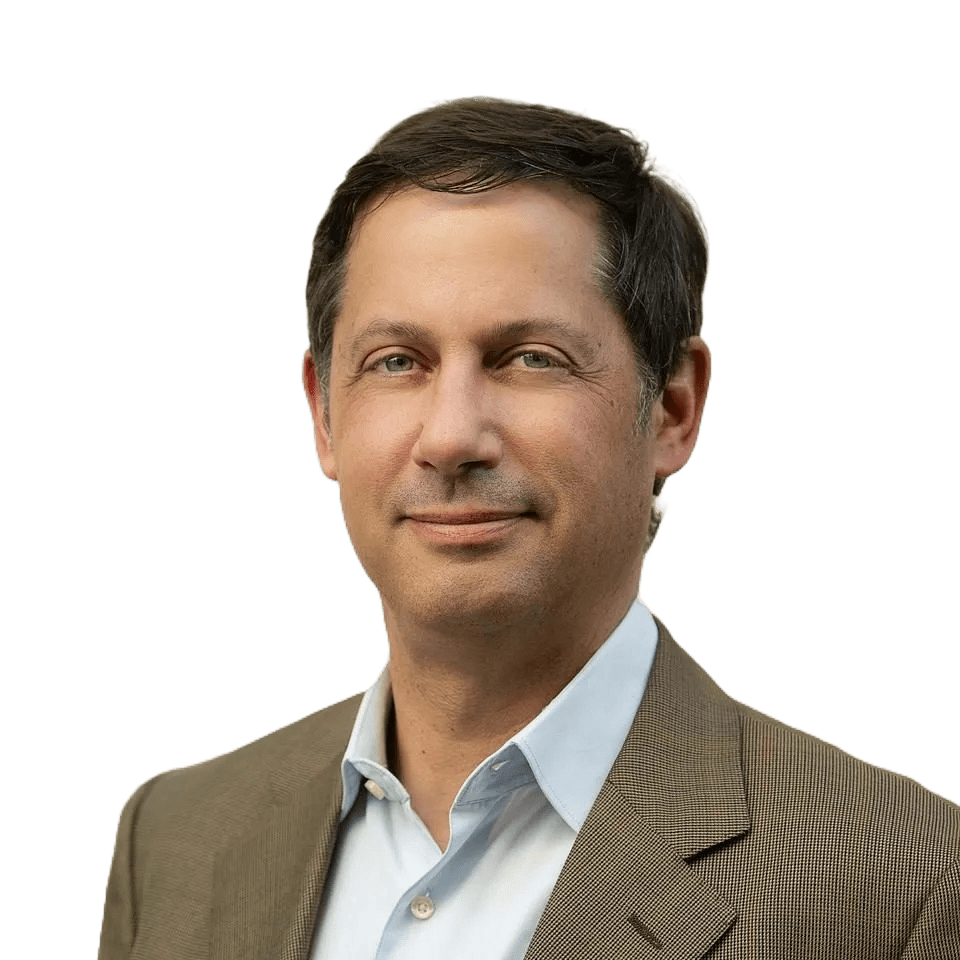
Gazetteer SF spoke to one of Gourmet’s founding worker-owners, Alex Tatusian, who also serves as Deputy Creative Director at The San Francisco Chronicle about the food magazine’s life after death.
This interview has been edited for length and clarity.
How has your launch week been going?
It's been quite a whirlwind. You know, we've been planning this for a while now and working nights and weekends while we have other jobs so it's been really wild to see it actually happen. I think there was a time when none of us were really sure if it would!
We're all experienced journalists and designers and developers and we've been in media for a while, but also, none of us have ever started something before, much less like a newsletter. So we are dealing with some email woes today that should be wrapped up and everything should be okay for tomorrow.
We were delightfully overwhelmed with a lot of subscribers and are thus being marked by Gmail especially as spam, or in some cases, the emails are not going through. We need to update some permissions to make that happen. But everything right now is free and you can read it on the web.
How did this group come together?
When Sam and I were locked in — when we really decided this has to be done, we have to try this — we very quickly realized that we needed more people. There were lots of other people in food media who similarly had aspirations to make work that is a little more difficult to push at traditional food magazines.
Something that can really aspire to a very high level of interesting narrative non-fiction. Really wonderful food and recipes for people who deeply nerd out about this kind of thing — not for people who are trying to get in and out of the kitchen in 20 or 30 minutes. And to interrogate why it is that we only have 20 or 30 minutes some days of the week — like why is that okay?
We realized that there were other people out there who would really want to do this with us and it became a little bit of a game of figuring out the necessary skills and attitudes that would sort of mesh together to make something like this possible.
You’re still at the Chronicle full-time. How are you easing into this project while balancing your own work?
I am still full-time there. I quite like the Chronicle. They're great. It’s a big step up from when I was at the LA Times vibe-wise, for sure.
When I lived in New York and I was a young graphic designer, I was not making very much money and I really aspired to live in a one-bedroom apartment of my own. And to do that in New York is very hard. So I got in the habit quite early in my career of freelancing on nights and weekends occasionally. I would take on projects and make extra money that way. I've been doing that for close to, gosh, like 15 or 16 years at this point. I've been doing it for a while.
To me, it's honestly second nature and the sort of joy that the Gourmet process has brought me is akin to going to band practice. It feels like you're jamming with your friends about things that you really want to see in the world. It doesn't feel like another job. It's hard and it's work, but it's also a real joy.
Gourmet Magazine had some pretty incredible and unique coverage. How do you anticipate your Gourmet to either differ from or pay homage to the original magazine and its style?
Our engagement with the original Gourmet is really coming from a place of deep love. I think it was a magazine that emerged before cooking was a pillar of popular culture, and it was something that really drove people to think about food and cooking as deep subjects that could be explored in great detail. And with great joy!
You know, it wasn't just drudgery to be done in the kitchen. And at the time when it came out, by women only. There's actually a period early Gourmet history where they were explicitly trying to market it to men, I read the other day. So, it was really a magazine for celebrating that kind of attention to food and also celebrating a kind of lifestyle.
It was ultimately a lifestyle magazine that was aspirational in some way. The difference here is that, in the way that we are updating it and still cherishing its memory, we're hoping that people aspire not only to have a glitzy magazine story type of life. We want people to aspire to spend time with their friends and family and serve them food that is beautiful and that has a lot of care put into it. Some of our recipes might be for eight people, not for two. And there's a point to that.
We want people to come away with a love for doing this and again, to not think of it as drudgery, which has become a thing in modern culture: How do we get in and out of the kitchen as fast as possible?
The other side of it, too, is the writing. Ruth Reichl really pioneered an era as its editor, hiring some of the best and brightest to write — many of whom were not food people— and we are taking cues from that in a great way.
Of all formats, why a bi-weekly newsletter?
For us, the world of online publishing right now is really complicated and interesting. And we all adore print; we're all print heads who love it and have worked on print publications. But I think that the world really is reading online now and in a really deep way. Print products are beautiful and we hope to have one — like, we would love to be able to give our readers something on the order of like annual or biannual compendium of like the best evergreen stuff that we published.
But ultimately, we want to be current, we want to be newsy, and we want to be at the tip of people's tongues. And to do that, you have to reach them directly more often than you can through a publication like a print magazine. We need to be more immediate.
I'm a huge lover of Spy magazine. The thing that a lot of those magazines do is bring a sense of insideriness that makes you feel like you're part of a world. We want to be that for readers.
We want them to feel included in the really fascinating, interesting stuff that's happening in the world of food and cooking, without necessarily being the bellowing voice of authority that an old Condé Nast magazine would be.