

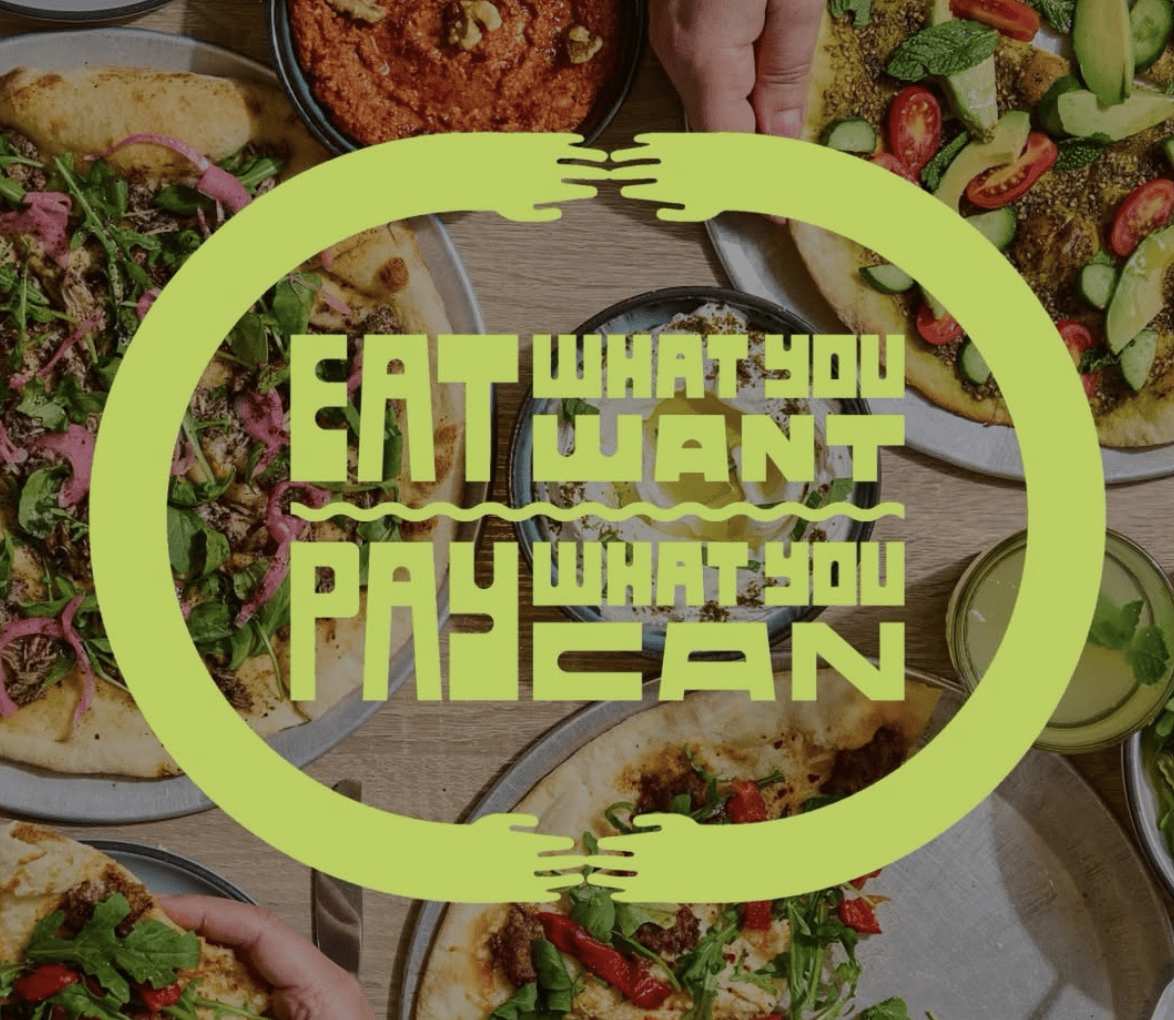

For one day, on Aug. 26, a hundred restaurants around the world adopted a simple premise: Eat what you want, pay what you can.
The initiative began in Mexico City eight years ago at the Indian-African-Mexican fusion restaurant Masala y Maíz with the purpose of expanding access to restaurant experiences. Guests order and are served just as any other traditional service day, but when the bill comes, they need only pay what is within their means. Some pay less than the value of their dish; others come and pay more than the bill to support the restaurant.
For the first time this year, Reem’s California, the Arab street food restaurant by Palestinian-Syrian chef Reem Assil, and Merkado, the South Beach Mexican and tequila-focused restaurant and bar owned by Fabien Santos, partook in the global initiative.
The local restaurateurs say the model, which defies the typical norms of food service, is not without its kinks, though they were far outshone by the positives.
“I think it required all of us to step out of our comfort zone a little bit. You know, both on our end, as staff, as well as on the customer end,” said Zaynah Hindi, co-founder of Reem’s. “Money issues remain taboo in our society, and it's not common practice for us to do exercises like this that make us really reflect on these socio-economic realities.”
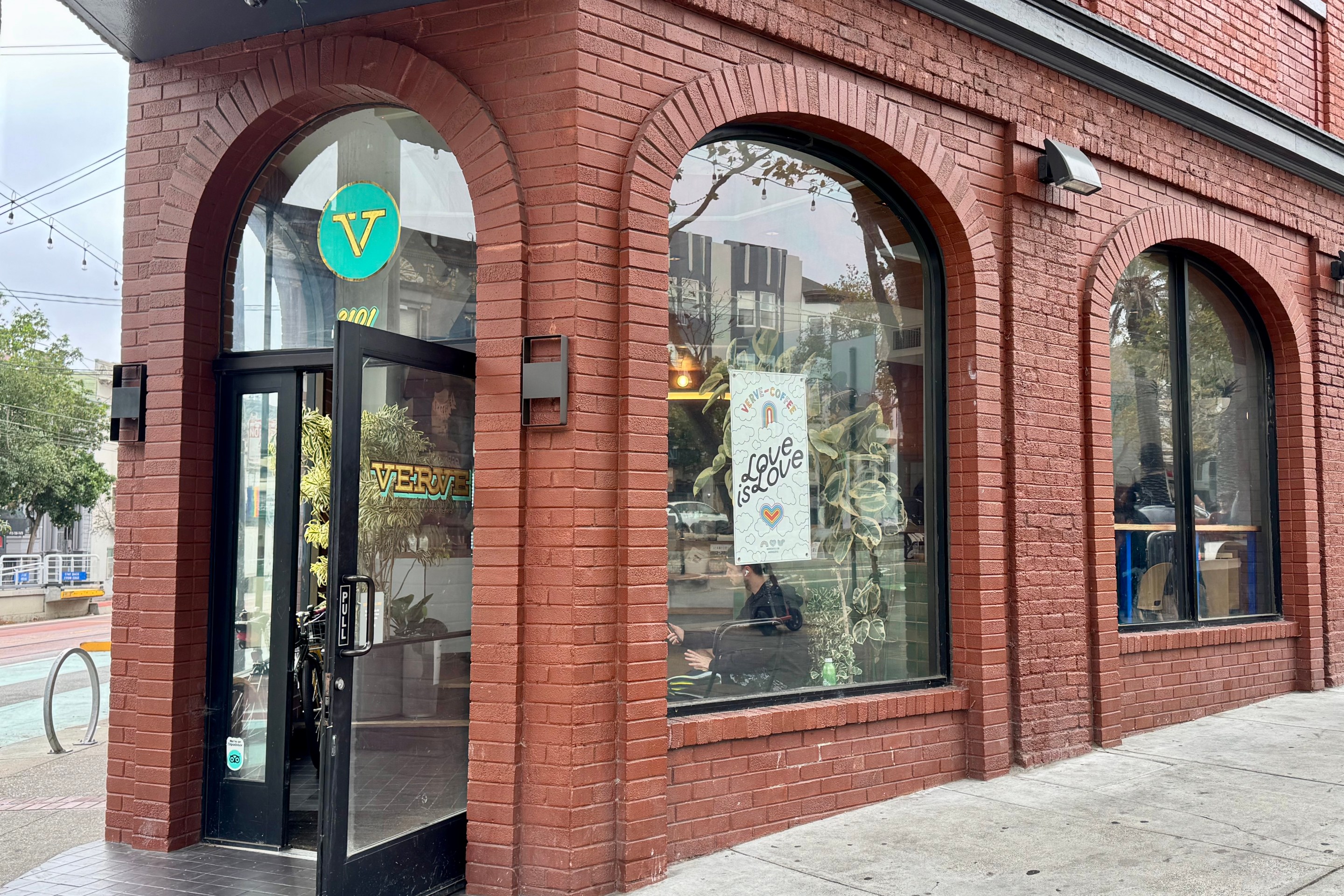
The Reem’s California team originally sought to host the event at their San Francisco location at 2901 Mission St., but a hit-and-run shut the restaurant down for most of the summer. They pivoted to their new Jack London Square location at 85 Webster St., a worker-owned fast-casual version of Reem’s California Mission; since the initiative is intended for sit-down dining experiences, the Jack London Square team had to work out some logistical kinks with their grab-and-go kiosk model in the process.
“The original day is set up for more full-service models where the server has a lot of tableside time and guests have a chance to order and enjoy their food before they settle up at the end of the meal and after they have had some time to reflect on the whole concept,” said Hindi.
Nonetheless, Hindi is happy with how the day went. She noted that it was many customers’ first time eating at Reem’s, “which really underscores that the whole idea behind the initiative is to remove some of the barriers to access to truly be welcoming and inclusive of everybody in our community.”
At the same time, Hindi said, “It really puts an equity model into practice — it’s pay what you can and not pay what you want to. So there were a couple folks who were like, ‘You know what? I am going to pay more than the typical price.’”
Santos, the owner of Merkado, first came across the initiative during a late-night Instagram scroll and was immediately intrigued. Nevermind how funny money can be — the date was the only obstacle he foresaw: The San Francisco Giants, whose stadium is just around the corner from Merkado, had a home game that day, and the restaurant was sure to see a surge of sportsgoers afterwards. He wondered how he could host such an “eat what you want, pay what you can” initiative, while simultaneously fielding a packed bar that could misinterpret the concept as a free-for-all.
He and his head chef decided to make the pay-what-you-can event a separate experience held on their patio. They roasted an entire pig and also made a special menu for the occasion. From a combination of reservations and walk-ins, they served about 50 “pay what you can” covers.
“I got to meet a lot of people from San Francisco — a woman who’s a social worker took her mom out,” said Santos. “I had one where a woman took her parents, her husband, and then I believe her grandkids out. So, it was a six-top. They were wonderful. Another one was six months into living in San Francisco, bohemian, non-tech, and they had a great time. It was just really fun to see everyone.”
Santos said he would love to do it again next year, this time in the entire restaurant. (He just needs to make sure there’s not another Giants game.)
I asked Santos and Hindi, did their restaurants operate at a loss that day? They each countered with the conclusion that their daily takings weren’t notably less than an average weekday, but that the numbers were beside the point when they reflected on what was gained.
“It’s a win-loss thing, but overall, I would say it’s more of a win,” said Santos. “It’s okay to take a step back and not look at the numbers sometimes; you have to look at the big picture.”