
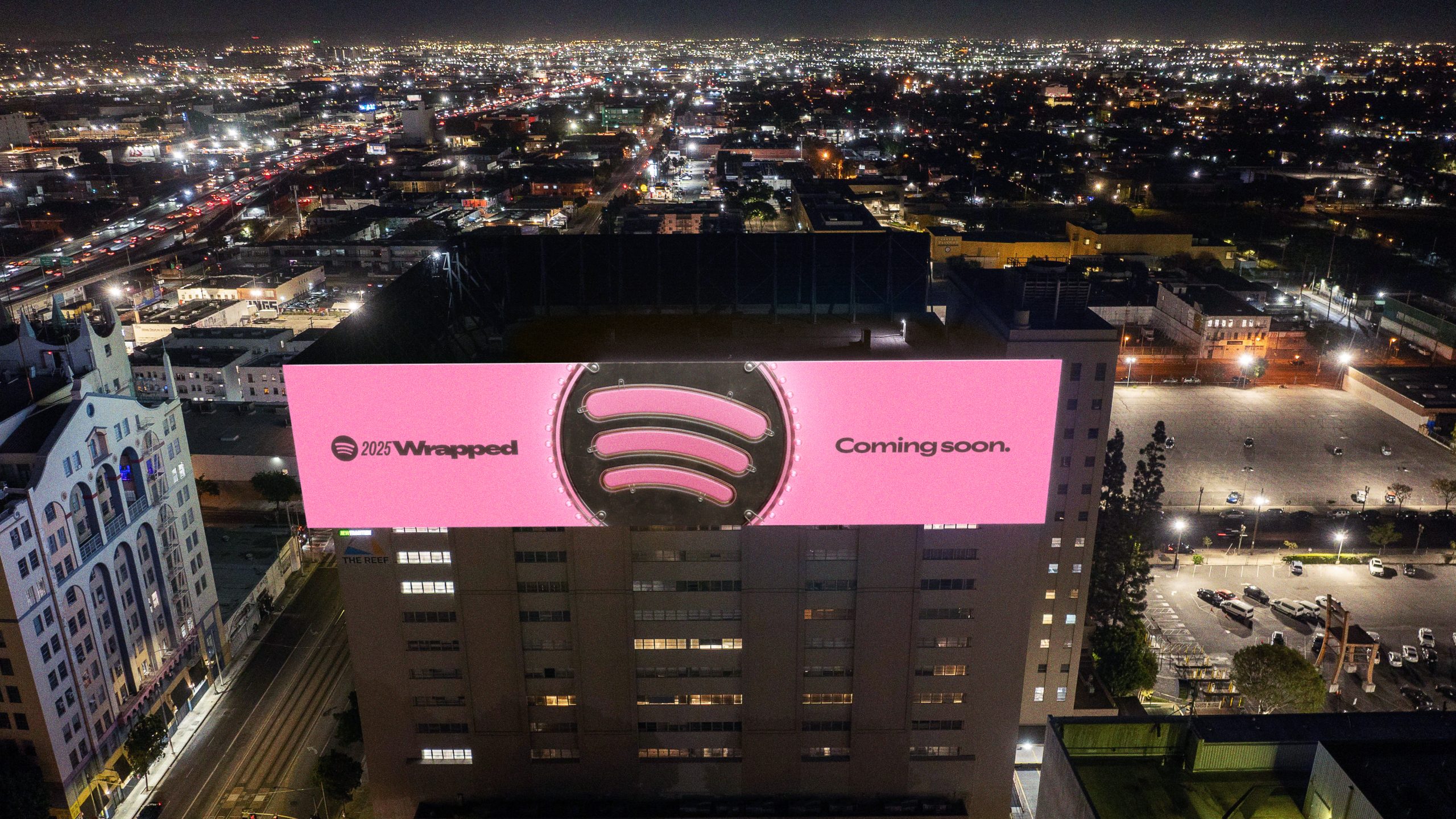

Since the beginning, Spotify Wrapped was a ritual. Each year in the days following Thanksgiving, I would open the app first thing in the morning, hoping that the little elves in my phone had finished their tinkering and delivered my present: my personal data, playfully organized, insightfully self-defining, and gift-wrapped to perfection.
That was then. This year, I didn’t care at all. In fact, I had totally forgotten Wrapped was even on the docket this week until I opened Spotify halfway through the day and was accosted by the pop-up for Spotify Wrapped. By this afternoon, I had only received a single text from a friend asking me to drop my results.
The cultural mood soured on Wrapped after last year’s drop, which included several AI-generated features like hyperspecific but ultimately nonsensical genres and an AI podcast about the user’s listening habits. This year didn’t feel quite as sloppy, but like nearly everything produced by the tech industry over the past decade or so, Spotify Wrapped just feels tedious and a little invasive.
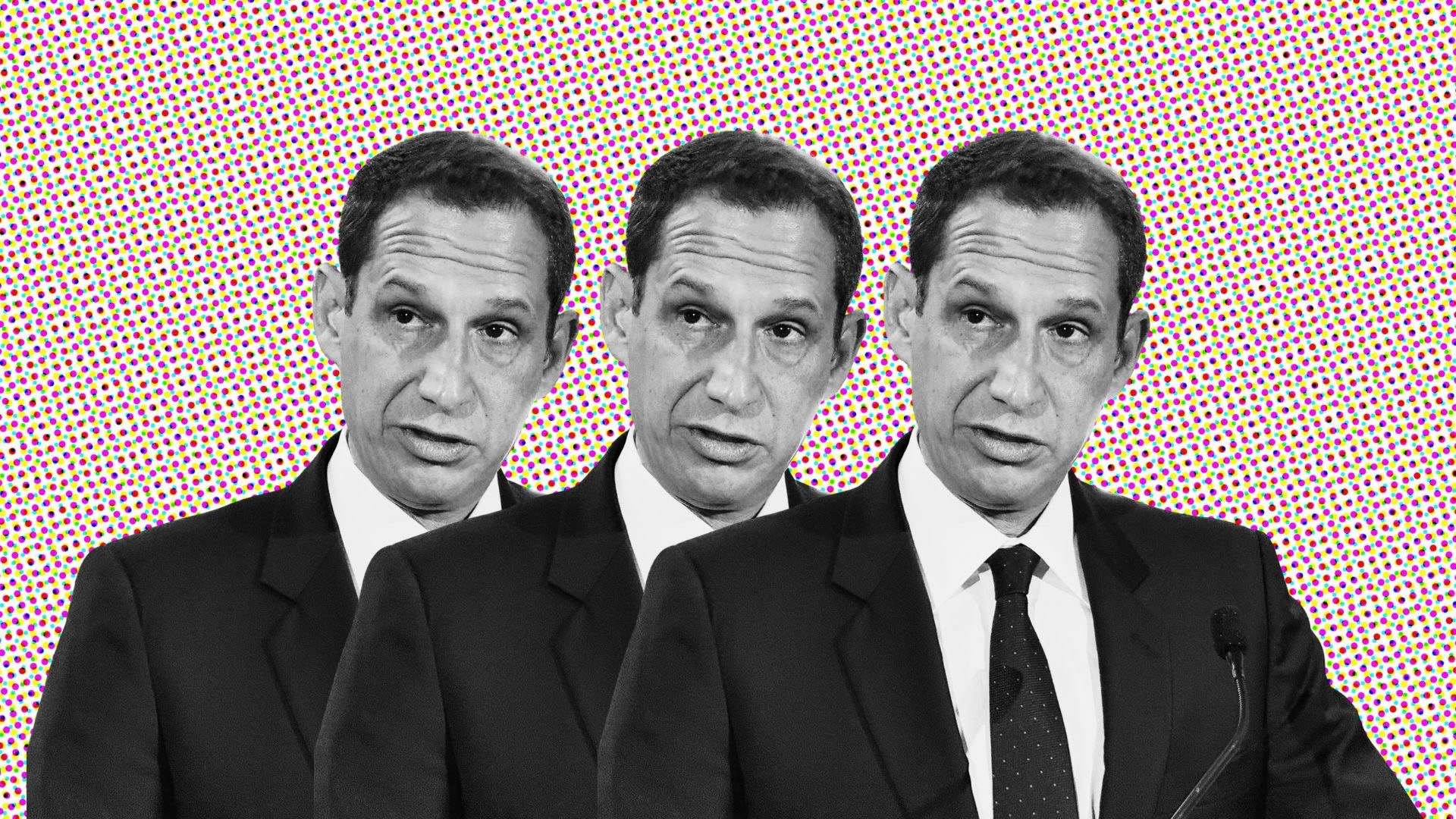
Gone are the days where a startup can say they’ll change the world and receive only credulous applause from the press and the masses; now, the veil has lifted to reveal its increasingly sinister and gleefully dystopian core. People understand tech platforms are built to be addictive, devised to harvest users’ personal information to sell to advertisers. Music fans and journalists have also raised alarms about Spotify’s peddling of AI music and IP theft, not to mention the highway robbery of how little they pay per stream. Spotify founder Daniel Ek also came under fire this year for his 600 million euro investment in German war tech company Helsing, a producer of AI-controlled combat drones.
Even minor tweaks in this year’s Wrapped user experience give me the heebie-jeebies. The tiny change in how this year’s users moved through the Wrapped flow — we used to tap and swipe, like Instagram Stories; now, we scroll, like TikTok — is just another reminder of how tech platforms will subtly reshape themselves until they require as little physical effort as possible. Then there’s Wrapped Party, Spotify’s newly minted collaborative social feature where users can invite friends to compare their Wrappeds. I see zero value in this for the people still rapt by Wrapped, who already share their Wrapped results in group chats and on Instagram; the only value here is keeping Wrapped-related engagement on their platform and fostering competitiveness that can only be won by using Spotify more and more.
Maybe I’m just too tech-pilled, but as we enter the second quarter of this century, I’m just not sure there is room for Spotify Wrapped in the culture. It would require unlearning so many things about the machinations of unchecked capitalism that we just can’t unlearn. No matter how inconsequential the data is — do I care if Big Tech knows I like Pink Floyd and also Addison Rae? I guess not — it is still my personal data.
Seeing it all reflected back at me through a cutesy funhouse mirror no longer makes me feel like the freewheeling individual with unique taste and style that my Wrapped insists that I am. Now, it only reminds me that I’m just a line item on some data broker’s spreadsheet, forever trapped in the machine.