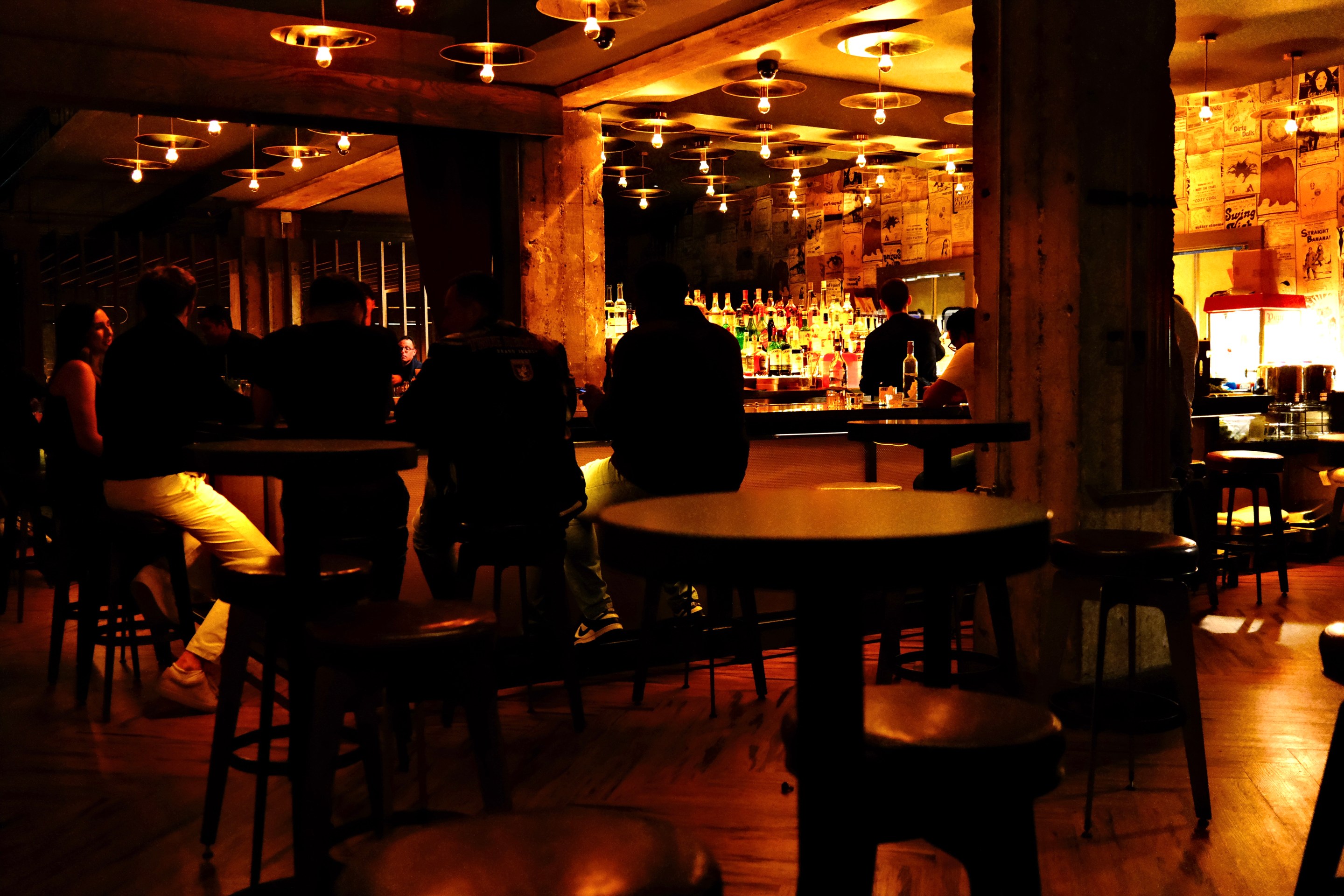


Following a Friday announcement that Badlands and Toad Hall would “pause” their use of high-security ID and facial scanners from data collection company Patronscan, Brian Aranda, the director of operations for both bars, told Gazetteer SF, “Members of the LGBTQ+ community have legitimate reasons to be sensitive about privacy and about how personal information could potentially be misused.”
Aranda answered questions via email after privacy rights activists, artists, and Castro community members responded to a June 10 Gazetteer story about Patronscan kiosks that could store photographs, IDs, and other information from patrons at several gay bars in the city.
In his emails, Aranda explained that Badlands, which is owned by controversial local businessman Les Natali, originally installed Patronscan devices in its Sacramento location “because it was required as part of an entertainment permit.” After bar management found it useful for extra security measures like identifying and blacklisting patrons involved in “serious incidents,” they installed it in Natali’s San Francisco establishments as well.
Badlands and Toad Hall — as well as Mix SF, which has not responded to Gazetteer’s multiple requests for comment — originally came under scrutiny after Gazetteer reported these three 18th Street bars employed a surveillance system called the Patronscan Guard+. The Guard+ can collect customers’ names, genders, zip codes, and notes on behavior; it also gives the bars access to a local “flag network,” through which the bars can share this personal data with other venues that use the technology.
The story spread quickly online with several local sites and queer media outlets publishing articles on the situation, and some Castro community members posting flyers near the bars that read, “You have the right to opt-out of biometric data collection.” Conversations around the story focused on concerns about increased surveillance in queer spaces amid a political climate that is increasingly hostile to gay and trans people.
In June, Patronscan — which is based in Calgary and whose parent company Servall Data Systems has previously done business under the name Servall Biometric — released two statements, one addressing the backlash in the Castro, and one addressing a 2023 Illinois class action lawsuit that alleged Patronscan violated a statewide biometric privacy law.
On Monday, Patronscan spokesperson Rhiannon Mosoronchon noted over email that “Patronscan does not use facial recognition technology or collect biometric data.”
“It was never about determining who is gay, transgender, or anything else about someone’s personal life, and we have no interest in compiling that kind of information,” Aranda wrote to Gazetteer.
Aranda said no particular moment of public pressure pushed the bars to pause their Patronscan contracts, calling them a “valuable security tool.”
“At the same time, just because we have found the system useful doesn't mean we shouldn't listen when people raise concerns about privacy,” he said. “We hear those concerns, which is why we have paused its use in San Francisco and are taking another look at our procedures.”
While Badlands and Toad Hall review their security operations, bouncers will manually check IDs and CCTV systems will remain in place, Aranda said.
Badlands’s Sacramento and Portland locations do not currently have plans to remove Patronscan technology, Aranda said.