


With 2025 behind us, the first week of the new year feels like a good time to look ahead at what may be brewing in 2026. Here are some topics that will be on our minds and debated endlessly in campaigns, op-eds, social media feeds, and coffee shops near you.
Family Zoning will continue to be a hot button
Obviously, the brief, disastrous appointment of Isabella Alcaraz, a political newbie with a messed-up pet store and some creative tax solutions, as the replacement for recalled District 4 Supervisor Joel Engardio was Lurie’s first major catastrophe as mayor. Embarrassing though it was, it didn’t stymie Lurie’s push for board approval on his Family Zoning Plan to develop denser housing around the city despite, as former Board of Supervisors President Aaron Peskin told me, the “dumbassery” of how the mayor tried to sell the plan to the public.
It may not turn Ocean Beach into Miami Beach, but Family Zoning will remain under extreme scrutiny, especially from the organized Chinese-American community on the west side. Meanwhile, there are still a handful of sites within the coastal zone that could be used for high-rises taller than 10 stories, a juicy opportunity for private developers in a city with minimal available land. Expect them to become battlegrounds for the mayor.
Releasing the Trump-Lurie files
My second guess for a major Lurie headache in 2026 is his phone call with President Donald Trump. The city’s Sunshine Ordinance Task Force, which oversees requests for public records, voted unanimously yesterday that Lurie improperly withheld documents regarding the October call. A number of supervisors, especially the Mission District’s Jackie Fielder, have been on Lurie to be transparent. The presidential call may have taken the city off Trump’s revenge list, but a San Francisco mayor quietly wheeling and dealing with an unconstrained, Constitution-shredding head of state hell-bent on retribution should be a concern for everyone, even if the results have been positive so far.
Some folks are still pissed about the Great Highway
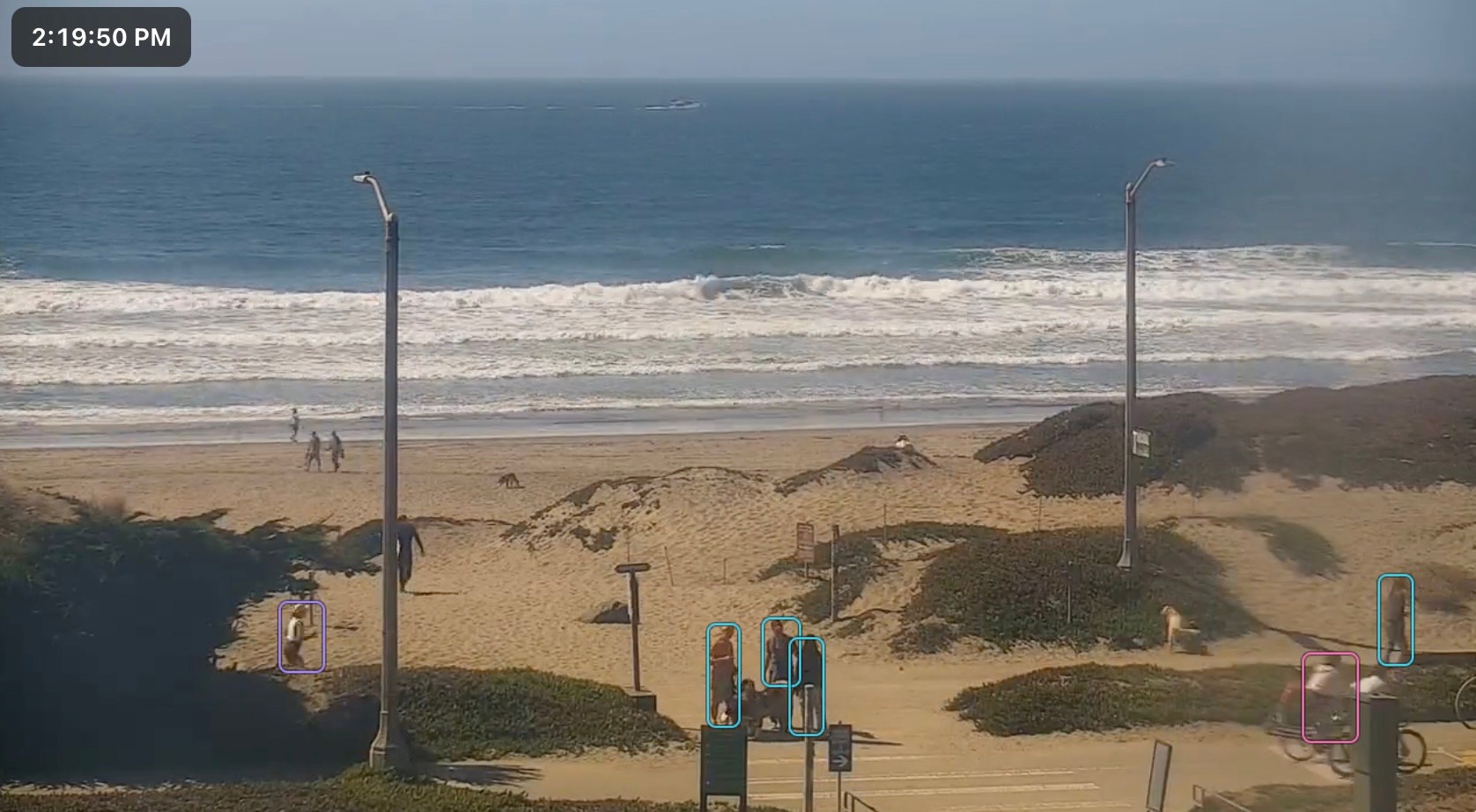
Not much to say here other than to again note that the organized Chinese-American community on the west side remains up in arms about the opening of Sunset Dunes Park on the sand-wrecked stretch of underutilized road known as the Great Highway. Will new D4 Supervisor Alan Wong and D1’s Connie Chan really push to put the matter back on the ballot? If so, it will be solely to gain favor with their angriest constituents for performatively resisting Sunset Dunes, because there’s no way San Franciscans around the city will overturn the vote. The highway closure and park transition won 55% of the vote in 2024. That might not seem like a huge margin, but in local politics, it might as well be a mandate.
Will crime keep falling — and will it ever fall enough?
Crime rates fell in 2025, with city data showing an overall 17.5% decrease. That figure is affected by small sample sizes (such as homicide) but there were notable decreases in burglaries (from 260 incidents in 2024 to 181 last year) and assaults (440 to 369). Still, using year-over-year data to proclaim “Crime down; thank you, cops!” is both fraught and simplistic, at least according to the multiple criminologists I’ve spoken to including USF’s Kimberly Richman. Opinions differ on the street, too: The dozens of people I spoke to during my overnight in the Tenderloin laughed off the mayor’s claims that police action is solving root issues of disorder. Good news is good news, but it’s worth retaining some skepticism when the people who stand to gain most from the narrative (i.e. Lurie and SFPD) are also the ones celebrating it the loudest. It’s worth noting that crime is continuing to fall around the country in comparable-sized cities. Do what you will with that information.
Who feels like Pelosi’s successor?
Two things hold true about Nancy Pelosi: She was an expert politico with the ability to pull major strings in Congress and outwit conservative foes, and she let progressives down on a number of key issues due to deal-making with Republicans at the worst possible times. Pelosi announced her pending retirement in November, leaving Congressional District 11 wide open.
Former tech magnate Saikat Chakrabarti came out of the gates strong last summer, criticizing Pelosi and sending out left-populist vibes. He’s no Zohran Mamdani, but he kind of acts like one compared to fellow progressive Connie Chan and State Sen. Scott Wiener.
Wiener’s the subject of mockery this week after he declined to answer a lightning-round question about whether the war in Gaza is a genocide. He later told reporters the war is a “moral stain” for Israel but also that “Hamas should not be running Gaza” and that critics can use “whatever adjective or noun” they prefer to describe the conflict. In which case… why stick your neck out over semantics? Probably because Wiener is co-chair of the California Legislative Jewish Caucus and backed AB715, a bill purportedly designed to reduce antisemitic language and other discrimination.
Mohamed Shehk, organizing director for the Arab Resource and Organizing Center, rejected that framing in a call with me last year, arguing that the bill is designed to silence pro-Palestinian speech in academic spaces. We’ll see how implementation of the bill unfolds in 2026, but odds are, Wiener’s muddled position will tank his chances in a Congressional race, even if, as one SF political consultant told me, “he knows how to win elections.”
The end of the “doom loop”
I spoke to a SoMa restaurant manager this week who noted that, regardless of real-world changes, there’s been a vibe shift in the air: “I haven’t heard the term ‘doom loop’ in a long time,” he told me. I moved here in 2020 and lamented the spread of this corny phrase, which was more about negative collective psychology than a harbinger of the city’s demise. More than anything, it fueled bad-faith takes about SF from outsider outlets like The Atlantic and the New York Post. Maybe next time we can all go touch grass and find joy in altruism instead of hand-wringing about, I dunno, rich techies leaving. Once again, the billionaires are making a fuss about leaving California for Texas and Miami, but if recent history is any lesson, they’ll be back.