



Recently, I found myself at Frances, a cozy neighborhood spot in the Castro. I wish I could say it was their robust wine list or their delicious dinner menu that lured me in, but really, those were mere appetizers before the main attraction: lumberjack cake.
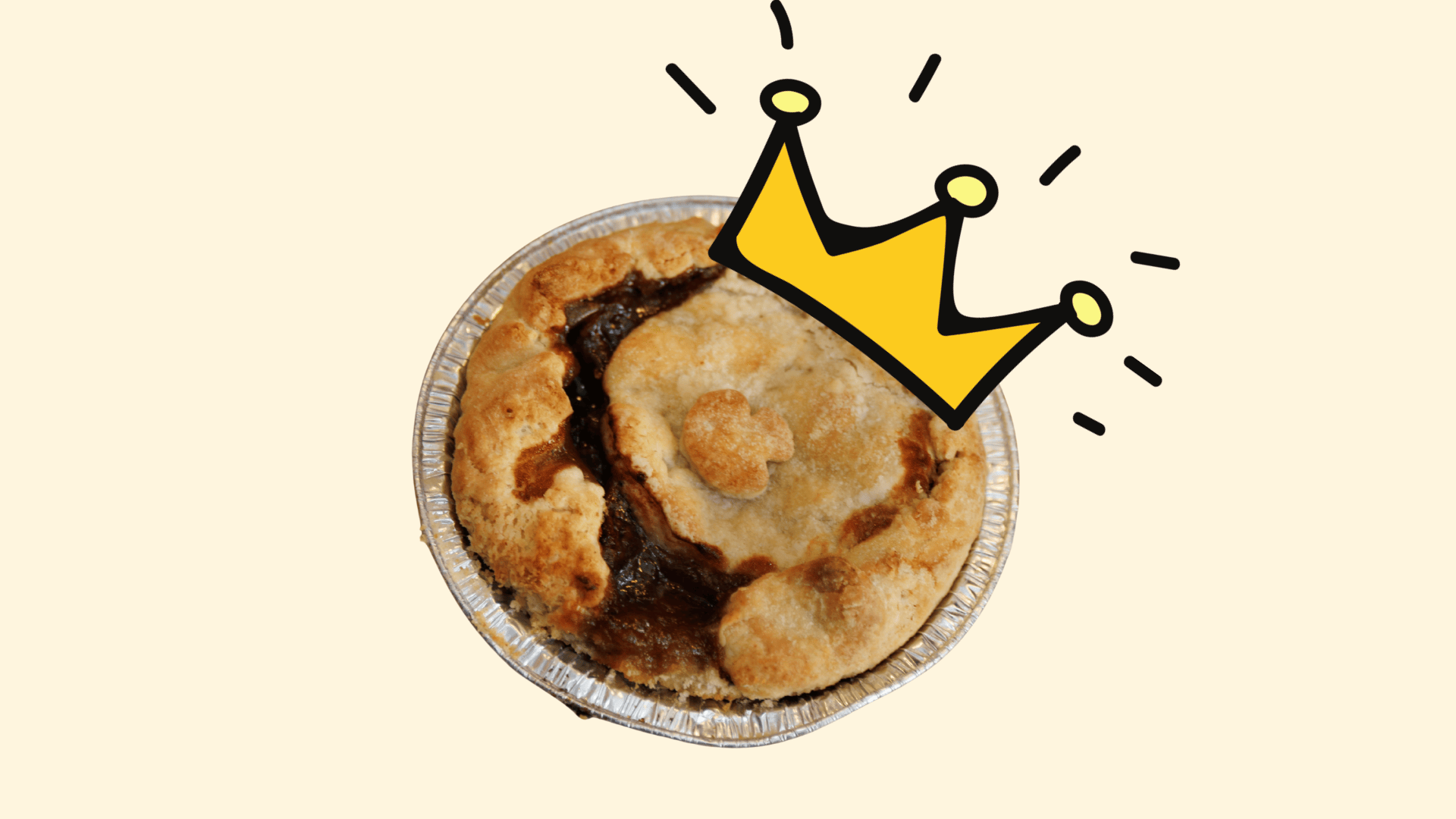
I had my first and, prior to Frances, only slice of lumberjack cake three years ago somewhere on the road between Rotorua and Raglan, New Zealand. This rustic cake is made with a base of apples or pears, dates, and coconut baked to a chewy, gooey consistency. (Traditionally, a shredded coconut mixture is added on top of the cake batter, creating a crispy topping, but Frances mixes their coconut into the cake.) Theirs is served warm, accompanied by a scoop of burnt honey ice cream. Pressed for time, my dining companion and I resorted to enjoying ours in the backseat of an Uber. Our lumberjack experience, nevertheless, was maximal.
The lumberjack cake, often described as “squidgy” and “old-fashioned,” has murky origins, though it was popularized by the Aussies and the Kiwis. The recipe closely resembles the Queen Elizabeth cake, popular in Canada, which first appeared in Canadian magazines in 1953. Thus, it was likely brought to Australia by the Canadians or the Brits, the stewards of its similarly date-based cousin sticky toffee pudding. When browned in the oven, the shredded coconut mixture atop the lumberjack cake resembles woodchips.
The rustic lumberjack forces you to reckon with its ingredient list. Sure, some good ol’ cane sugar pushes the needle from bread to cake, but it’s by no means the star of the show. Here, the fruits’ lack of transformation is this dessert’s most compelling characteristic.
For the lumberjack, plainness is persuasion. At just 12 ingredients — including water and salt — the lumberjack cake is a bike in a world of Waymos. The process is simple, each ingredient is entirely essential, and you’re likely to have everything in your pantry already. The batter comes together in ten minutes and the final product is a humble and wholesome offering.
Low-effort and forgiving, the lumberjack cake stands in stark contrast to today’s maximalist desserts, molecularly manipulated confections, and frankenpastries. While I support going the extra mile in life and in the baking aisle, more complicated recipes beget more opportunities for error and demand more of your time. This is how at-home cakemaking mutates from routine to rare event; from integral to unnecessary. The lumberjack is a great one to keep in your back pocket when you need to be reminded that cakes need not be earned by occasion or labor. On most days when your only capacity to create is on a whim, this cake can be thrown together quickly and casually.
Perhaps you’re curious why I’m sending you to Frances to pay $12 for a slice of the cake I’ve just empowered you to make yourself. The burnt honey ice cream, incredibly rich and caramelly, could make a case by itself. Beyond that, the lumberjack cake, which has been on the menu since Frances’ inception, is an important part of the restaurant’s identity. Not only is it the one place in the city to get lumberjack cake, but Frances is many people’s first experience with it. The cake has amassed a following of its own, the restaurant told me, and they offer whole lumberjack cakes for sale during the holidays or via customer request.
The lumberjack has weathered menu changes, the pandemic, a closure, and subsequent reopening. Chef-owner Melissa Perello earned Michelin stars for both Frances, named after her grandmother, and her second venture, Octavia in Pacific Heights. (Both restaurants are still currently featured in the Michelin Guide.) Her accolades make this homely cake all the more enticing, eschewing swank for sensibility and leaving diners with something that feels deeply personal.