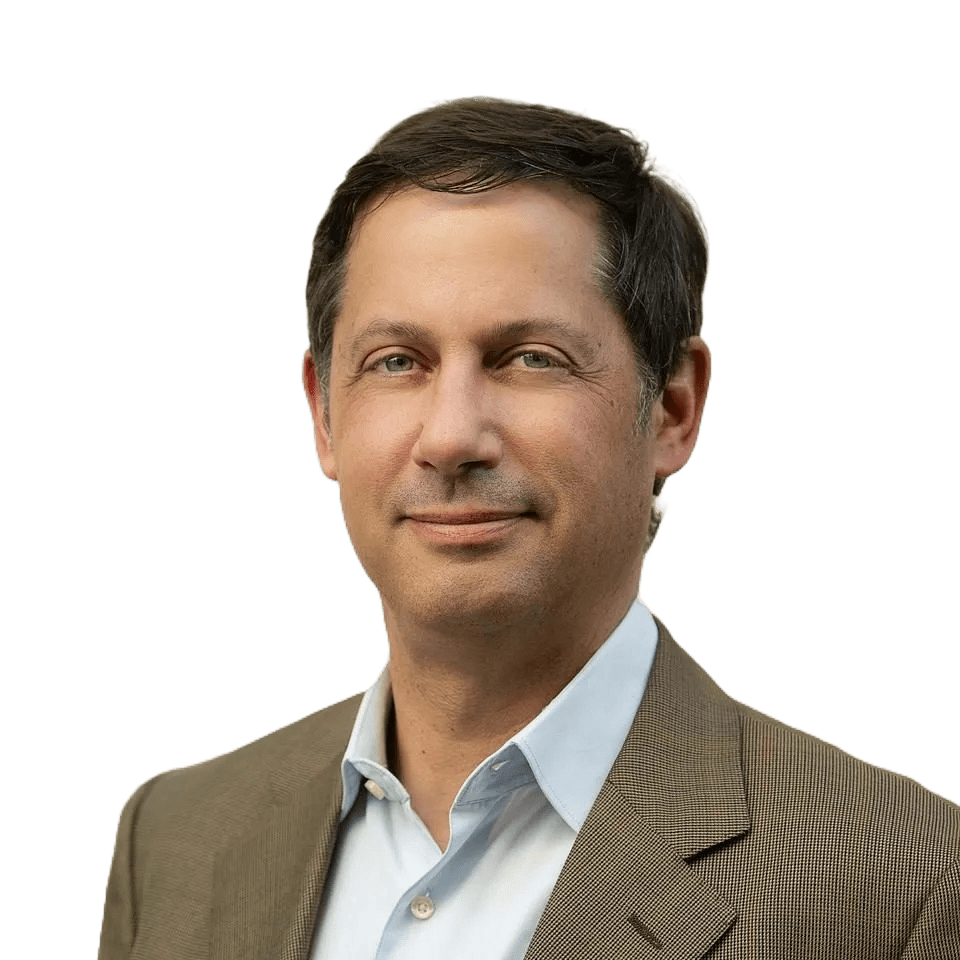


People from around the world know the Castro as an iconic gay neighborhood, but even longtime San Franciscans may be unaware that the city’s queer history really began in North Beach. Amateur historian Shawn Sprockett has made it his personal mission to uncover the lost stories of every San Francisco gayborhood. Sprockett has founded two walking tours: Unspeakable Vice, about the history of queer culture in North Beach in the early 20th century; and Valley of the Queens, which picks up mid-century in the Tenderloin and Polk Street area.
A designer and adjunct professor at California College of the Arts, Sprockett first started Unspeakable Vice in 2018 as a response to his home state of Florida’s “Don’t Say Gay” laws.
“I felt pretty powerless to affect the situation there, but I thought, at least while I live in a state that does let me say gay, maybe I can just start telling all these stories,” he said. “That's really the spirit behind this: to capitalize on these freedoms, especially in the face of some of the headwinds we're seeing.”
The Unspeakable Vice tour, which runs Saturday mornings, meets at the San Francisco Historical Society’s Museum of San Francisco on the border of Chinatown. Sprockett (or one of his volunteers) guides guests through Jackson Square before snaking around North Beach as he explains how San Francisco got its debaucherous reputation and how North Beach became a hotbed of queer expression and community. Some of the tales were spicy enough to drive an elderly tour companion in my group to clutch her pearls (okay fine, Patagonia quarter-zip) with scandalous delight. It also details queer codewords, legal workarounds, and elders of the Pride movement who made San Francisco their home long before Harvey Milk.
In addition to learning completely requisite and long-lost narratives of San Francisco’s queer history, Unspeakable Vice is an excellent glimpse into the scene that laid the foundation for some of North Beach’s most famous haunts today, such as the Condor Club, Vesuvio, and Specs, once the site of the city’s’s first lesbian-owned bar. We often credit the Beatniks for North Beach’s bohemian tint, but if anything, it was the thriving queer and arts communities that attracted Ginsberg, Kerouac, and Cassady in the first place.
Valley of the Queens follows the San Francisco queer community to the Tenderloin and Polk Street area after the McCarthy-era Lavender Scare campaign successfully ran queer owners, bartenders, performers, and patrons out of North Beach. During the mid-century, cities all across the US instigated forced migrations of people they viewed as sexually “deviant” or generally undesirable into Tenderloin districts to “clean up the city,” Sprockett explained.
“San Francisco is the only one that still calls it that; everywhere else has changed the names.” By way of example, New York City's Tenderloin is now called Times Square.
Today, there are no more gay bars in North Beach, and through his research for Valley of the Queens, Sprockett learned that the Tenderloin once held over 100 queer bars.
On a broader level, bars in San Francisco seem to be going extinct left and right. With them dies crucial elements of the city’s social fiber. Within queer communities, “These are people who, especially in certain decades, often were getting kicked out of their homes, estranged from their families, and were having to make new families in the city that they've moved to,” said Sprockett. “So the bar really becomes a place for potluck dinners on the holidays, when people don't have family to go home to. They were sponsoring sports teams that play in community leagues in addition to all the events they would host as well. These were really community centers that just happened to serve alcohol.”
“Seeing their loss is especially tragic when you realize this isn't just like another restaurant or bar. It's a little piece of community disappearing,” he said.
Sprocket is currently researching for a third tour about the Castro and the AIDS crisis.